U.S. Tariffs on Gold Bars Spark Price Fluctuations and Supply Chain Concerns
U.S. tariffs on gold bars, including Swiss imports, are causing gold price fluctuations and raising concerns about global supply chain disruptions, impacting Switzerland's refining hub.





Overview
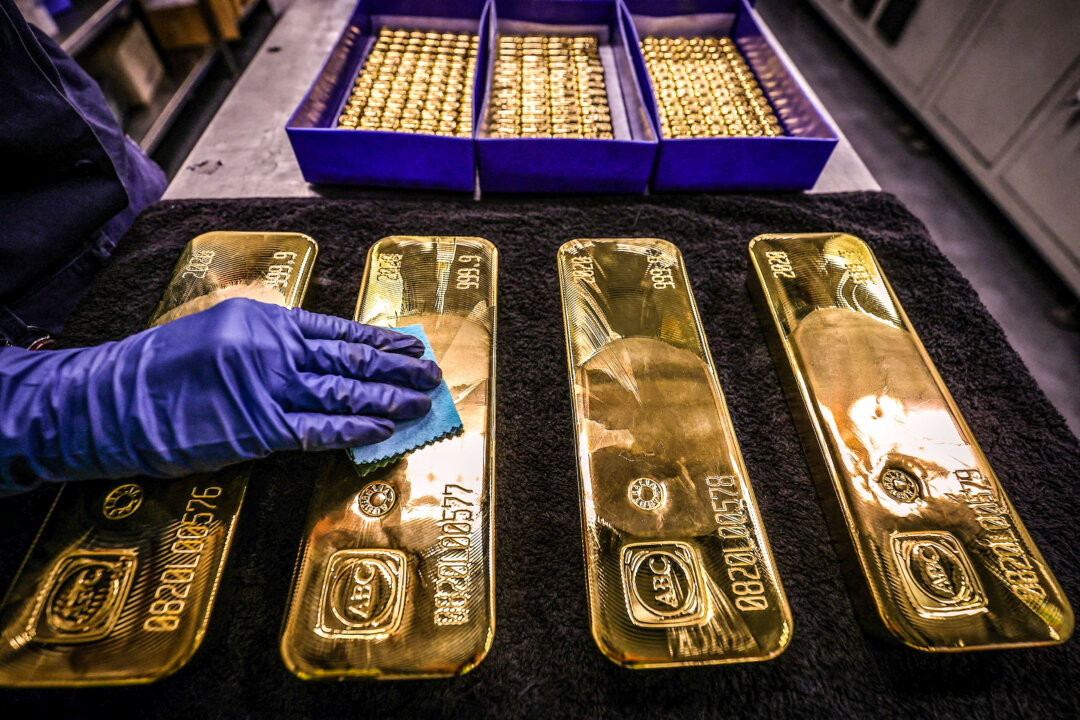
The U.S. government is considering and has imposed reciprocal tariffs on certain gold bars, specifically those imported from Switzerland under tariff code 7108.13.5500.
These tariffs are directly leading to significant fluctuations and a surge in global gold prices, reflecting market uncertainty and increased costs for importers.
The proposed U.S. tariffs threaten to disrupt the intricate global gold supply chain, particularly affecting the crucial links between London, New York, and Switzerland.
Switzerland, a major hub for gold refining and transit, is particularly vulnerable to these tariff measures, potentially impacting its central role in the international gold market.
The ongoing discussions and implementation of these gold tariffs highlight broader trade tensions, potentially reshaping established international commodity flows and pricing mechanisms.
Analysis
Analysis unavailable for this viewpoint.
FAQ
The U.S. has imposed reciprocal tariffs of up to 39% on certain Swiss gold bars, particularly those classified under tariff code 7108.13.5500, which have taken effect as of August 7, 2025.
The tariffs have led to significant fluctuations and a surge in gold prices, creating market uncertainty and increasing costs for importers, which may disrupt established commodity flows and pricing mechanisms.
Switzerland is the world's largest gold refining center and a major transit hub for gold, processing over two thousand tons annually sourced globally; the tariffs threaten its central role, potentially disrupting the global gold supply chain between London, New York, and Switzerland.
The Swiss National Bank and refining industry argue that gold should be excluded from tariffs since Swiss refiners earn relatively small margins from processing, mostly adding value to the raw gold itself rather than through Swiss labor or production.
The tariffs reflect broader trade tensions and could reshape international commodity flows, affecting not just pricing but the interconnected supply chains involving major financial centers like London and New York.

