National Retail Federation Forecasts First $1 Trillion Holiday Shopping Season
The National Retail Federation predicts American shoppers will spend over $1 trillion in November and December, marking a significant increase from last year's $976 billion holiday sales.


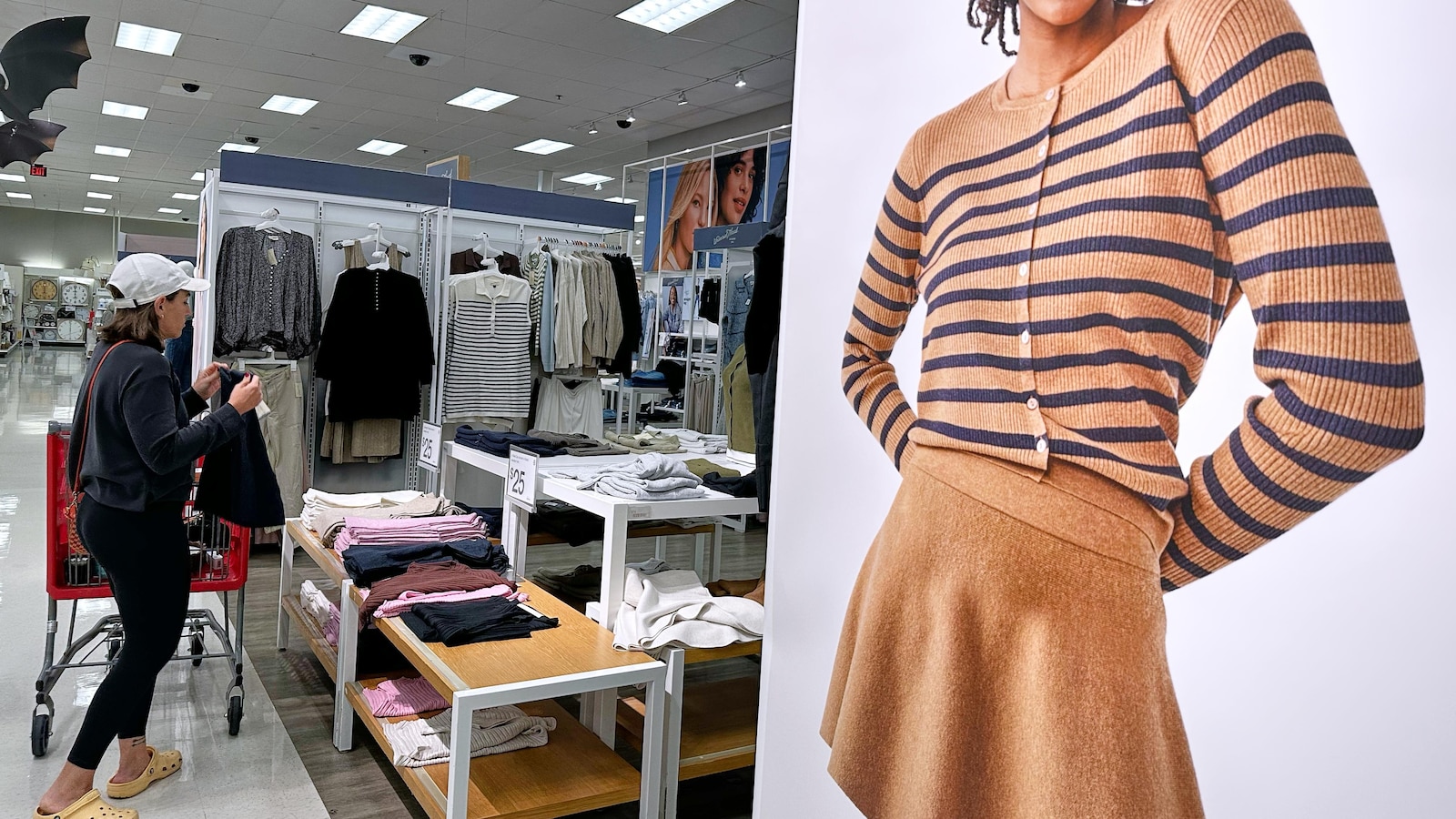

Overview
The National Retail Federation (NRF) projects American consumers will spend between $1.01 trillion and $1.02 trillion during the November and December holiday shopping period.
This forecast represents a substantial 3.7% to 4.2% increase in holiday sales compared to the previous year's total of $976 billion.
If achieved, this would mark the first time the U.S. holiday shopping season surpasses the $1 trillion spending threshold, according to NRF predictions.
Despite some reports of declining consumer confidence and a widening wealth gap, overall consumer spending in the U.S. is expected to remain strong.
The NRF's optimistic outlook for record-breaking holiday sales comes even amidst other estimates suggesting a general slowing of economic growth.
Analysis
Center-leaning sources cover the story neutrally, presenting the record holiday spending forecast alongside significant economic caveats. They balance the positive outlook with concerns about slowing growth, consumer selectivity, and broader issues like the government shutdown, wealth disparity, and tariff impacts, attributing expert opinions without editorial bias.
FAQ
Despite some reports of declining consumer confidence and a widening wealth gap, overall consumer spending is expected to remain strong, possibly driven by resilient household budgets, continued employment growth (prior to the government shutdown), and persistent demand for gifts and seasonal items. The NRF also notes that the forecast arrives amid economic uncertainty, including tariffs and the longest U.S. government shutdown in history, which has disrupted recent economic data releases[1].
The NRF forecasts a 3.7% to 4.2% increase in holiday sales for 2025 compared to 2024, which is slightly lower than the 4.3% growth seen between 2023 and 2024[1]. However, the absolute dollar amount is expected to exceed $1 trillion for the first time, up from $976 billion last year.
The NRF's holiday sales forecast includes most retail sectors but specifically excludes sales at automobile dealers, gasoline stations, and restaurants[1].
The ongoing government shutdown has halted the release of key economic data, including jobs and retail sales figures, which are typically used to inform such forecasts. This lack of current data introduces greater uncertainty into the NRF's projections and could affect the forecast's accuracy if economic conditions change significantly during the shutdown[1].
According to NRF surveys, consumers are budgeting an average of $890 for gifts and other seasonal items during the 2025 holiday season, with families with children planning to spend about $33 more on average than other households[2].