U.S. Mint Halts Penny Production as Costs Soar, President Trump Cites Waste
The U.S. Mint in Philadelphia has pressed its final penny, ending production of the 1-cent coin in 2025 due to rising costs and President Trump's order, saving $56 million annually.
 CBN
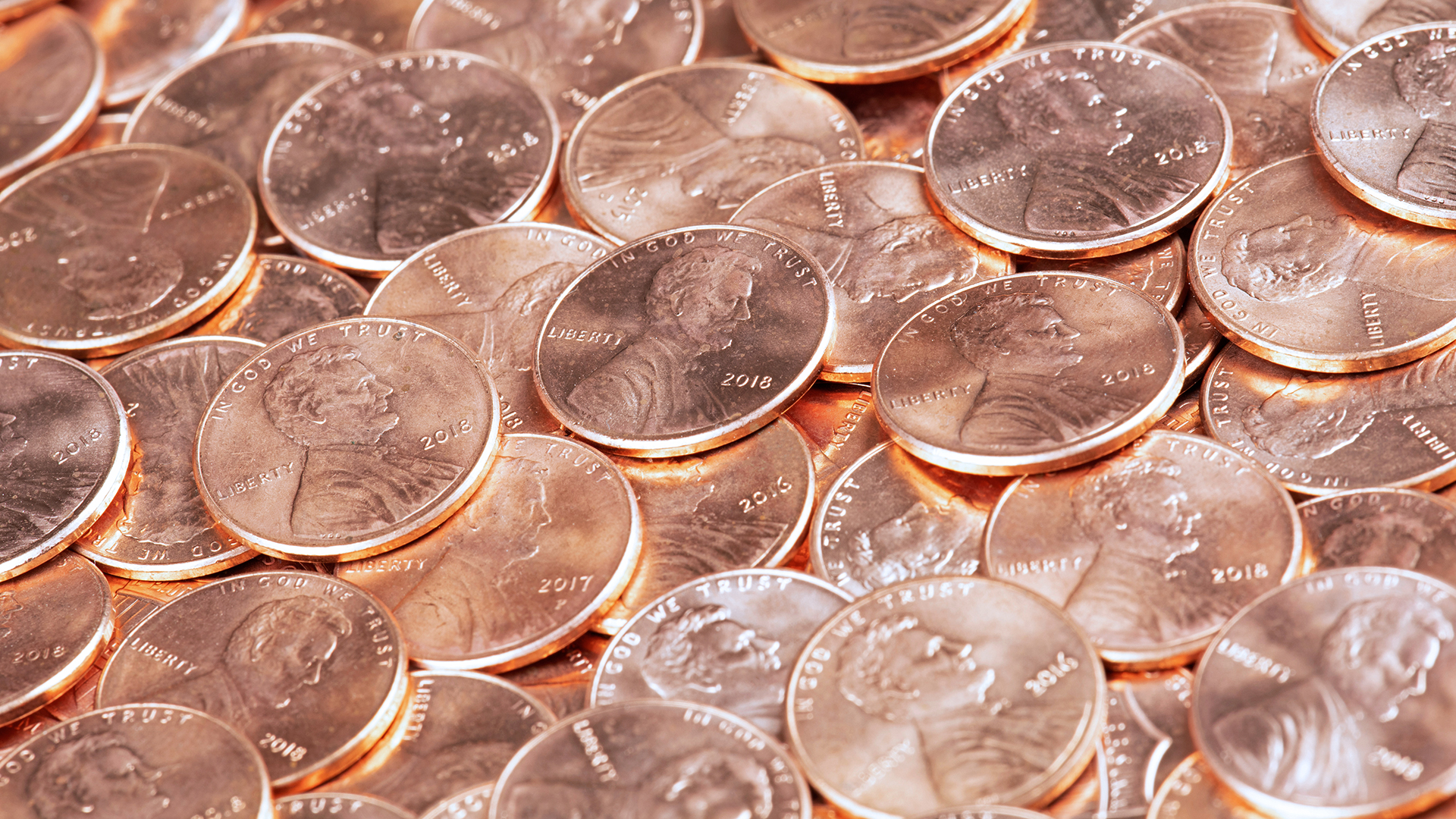
CBNUS Mint in Philadelphia Presses Final Pennies as the 1-Cent Coin Gets Canceled
 The Blaze
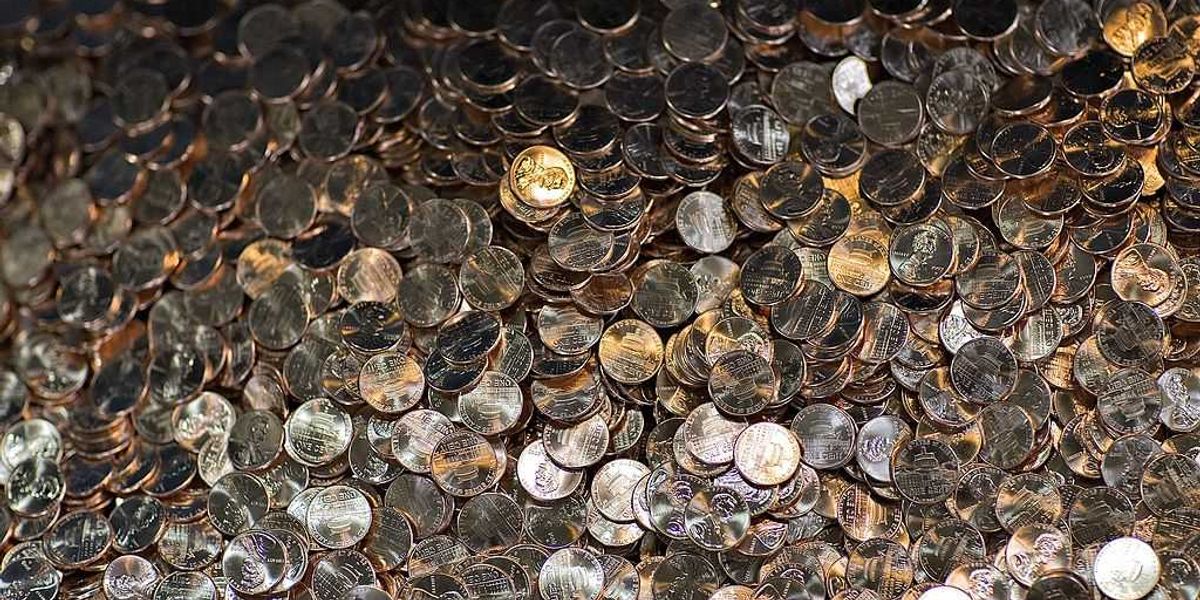
Down to the last penny: US Mint closes the books on producing one-cent coins

 Daily Caller
Trump Achieves Bipartisan Move That Even Obama Wanted With US Mint

 USA TODAY
Goodbye penny: What comes next as US officially ends penny production
Overview
President Donald Trump ordered the discontinuation of the U.S. penny, citing its production cost of 3.7 cents in 2024 far exceeded its face value, deeming it wasteful.
The U.S. Mint in Philadelphia, which has produced pennies since 1792, pressed its final 1-cent coin, officially ending production in 2025 to save an estimated $56 million annually.
Despite the halt, billions of pennies remain legal tender and will retain their value indefinitely, though they are expected to become increasingly scarce and less frequently used in transactions.
Retailers are already experiencing penny shortages, leading to requests for exact change or rounding cash transactions, while some banks have begun rationing their dwindling supplies.
The decision to cease penny production follows a historical precedent, as the U.S. Mint previously discontinued the half-cent in 1857, reflecting the coin's diminishing relevance and buying power.
Analysis
Center-leaning sources frame the penny's discontinuation by acknowledging cost-saving measures while emphasizing its complexities and sentimental value. They highlight potential financial drawbacks, such as the higher cost of nickels, and underscore the coin's cultural significance and practical uses. This approach creates a nuanced narrative that balances economic rationale with broader societal impacts.
FAQ
The U.S. Mint stopped producing the penny because its production cost 3.7 cents in 2024, which significantly exceeded its one-cent face value, leading President Trump to order its discontinuation to prevent wasteful spending and save $56 million annually.
The U.S. Mint in Philadelphia pressed its final penny in 2025, officially ending production of the one-cent coin that year.
Billions of pennies will remain legal tender and retain their value indefinitely, although they are expected to become increasingly scarce and less commonly used in transactions.
Retailers are reporting penny shortages, leading them to request exact change or round cash transactions, and some banks have begun rationing their limited penny supplies.
Yes, the U.S. Mint previously discontinued the half-cent coin in 1857 due to its diminishing relevance and buying power, which parallels the decision to halt penny production.