AI Model Outperforms ER Doctors in Harvard Emergency Triage Study
Study in Science found OpenAI's o1 reasoning model exceeded physician accuracy on ER triage and diagnoses, prompting calls for clinical trials and oversight.

 Vox
VoxA major new study found AI outperformed doctors in ER diagnosis — but there’s a catch

 CNET
CNETAI Outperforms ER Doctors in Diagnostic Cases, Study Points to Collaborative Care

 NPR
NPRIn real-world test, an AI model did better than ER doctors at diagnosing patients
 The Guardian
AI outperforms doctors in Harvard trial of emergency triage diagnoses
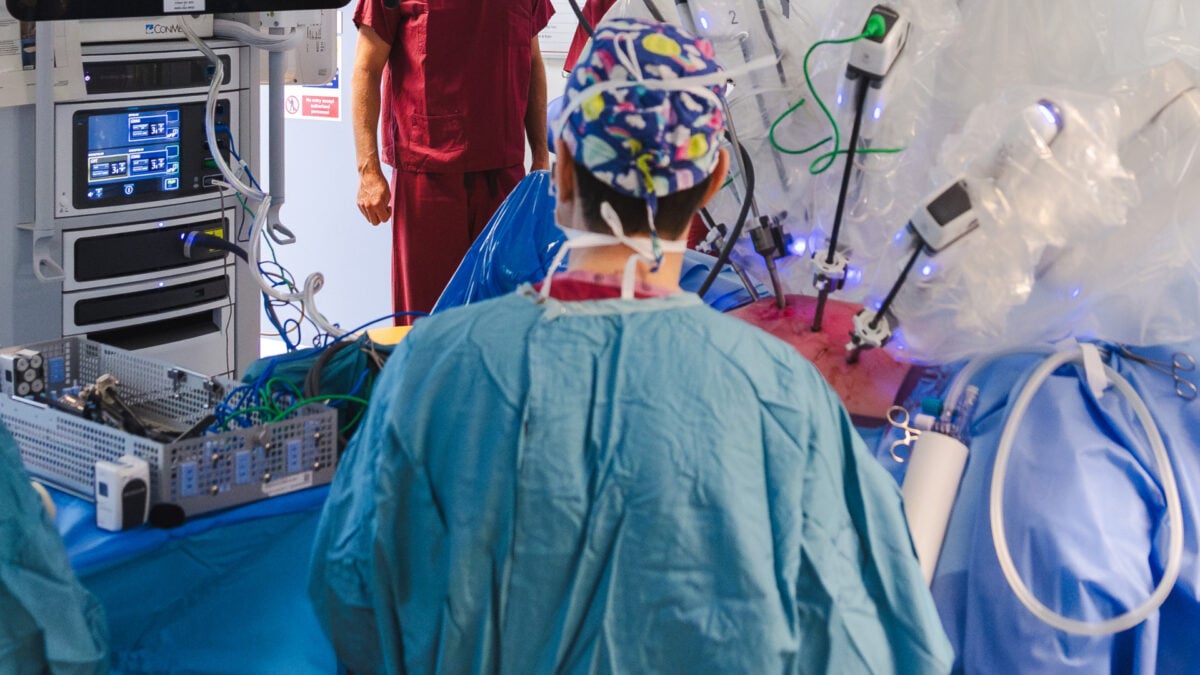
 Gizmodo
AI Just Beat Doctors at Diagnosing ER Patients. Don't Get All Excited
Overview
A study by researchers at Harvard Medical School and Beth Israel Deaconess Medical Center published in the journal Science found OpenAI's o1 reasoning model matched or outperformed emergency physicians on diagnostic accuracy using electronic health records.
The team tested o1 across six experiments combining standardized clinical cases and a real-world sample including 76 emergency patients, finding the model handled uncertainty and fragmented text data especially well at triage.
Study authors and co-authors said the results do not justify replacing clinicians and urged rigorous evaluation, including randomized clinical trials and oversight, before deploying such models in clinical workflows.
In triage the model identified an exact or very close diagnosis in about 67% of cases versus roughly 50% to 55% for two expert physicians, and its accuracy rose to about 81% to 82% versus 70% to 79% for humans as more data arrived.
Researchers and independent experts called for testing safety, equity, multimodal integration and real-time trials to determine how AI might act as a supervised aid alongside clinicians rather than a replacement.
Analysis
Center-leaning sources frame the story as a notable technical advance tempered by caution: headlines and lead data emphasize AI outperforming physicians, but editorial choices prioritize safety and limits by foregrounding caveats (e.g., "didn’t formally measure hallucination rate"), regulatory concerns, and independent experts warning about hallucinations and malicious behaviors.