Appeals Court Grants Trump New Opportunity to Move Hush Money Case to Federal Court, Citing Judge Hellerstein's Incomplete Analysis
A federal appeals court granted Donald Trump another chance to move his New York hush money case to federal court, criticizing Judge Hellerstein's prior incomplete analysis.
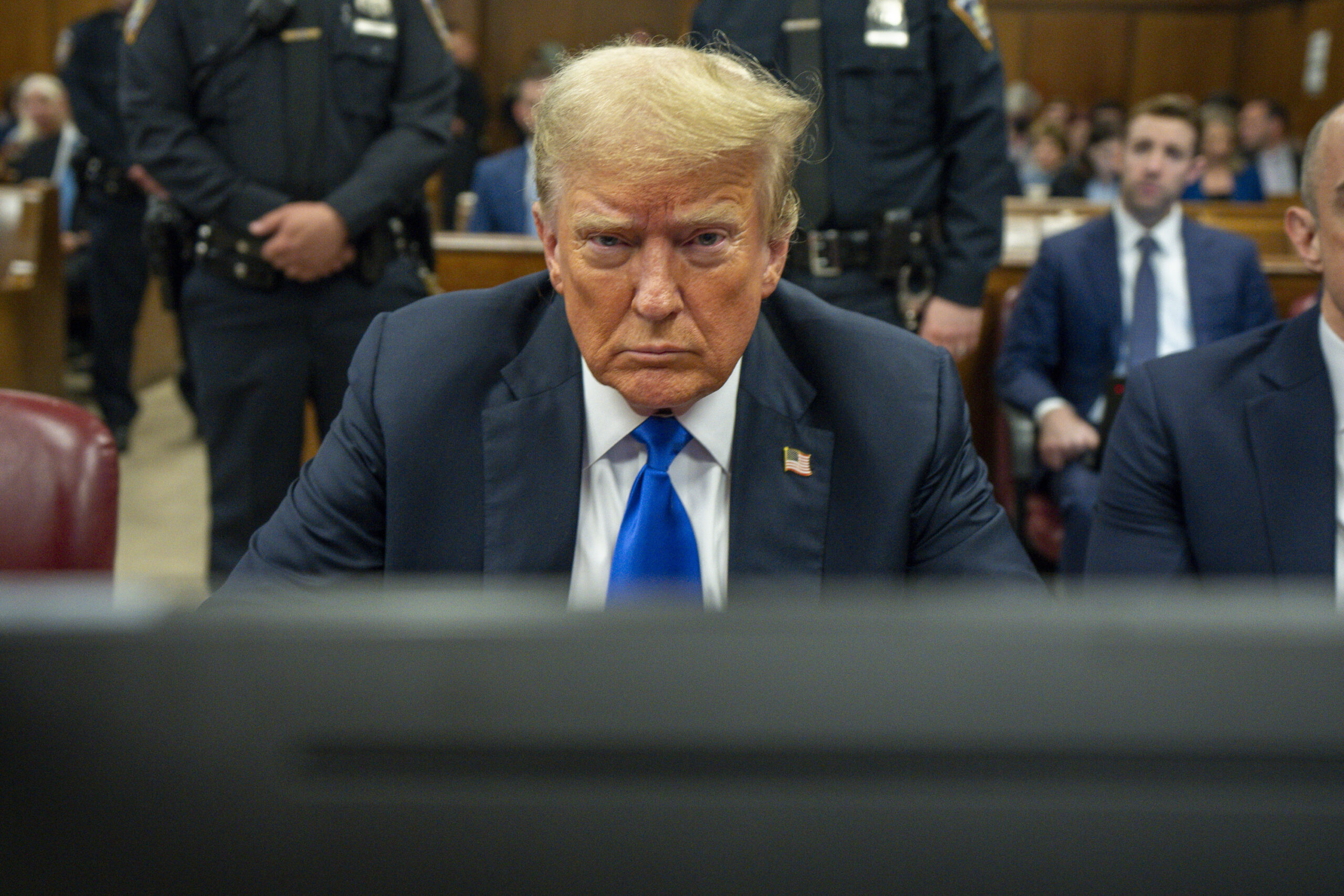
 New York Sun
Trump Gets a Second Look in Hush Money Case

 New York Daily News
Appeals court gives Trump another shot at erasing Stormy Daniels hush money conviction
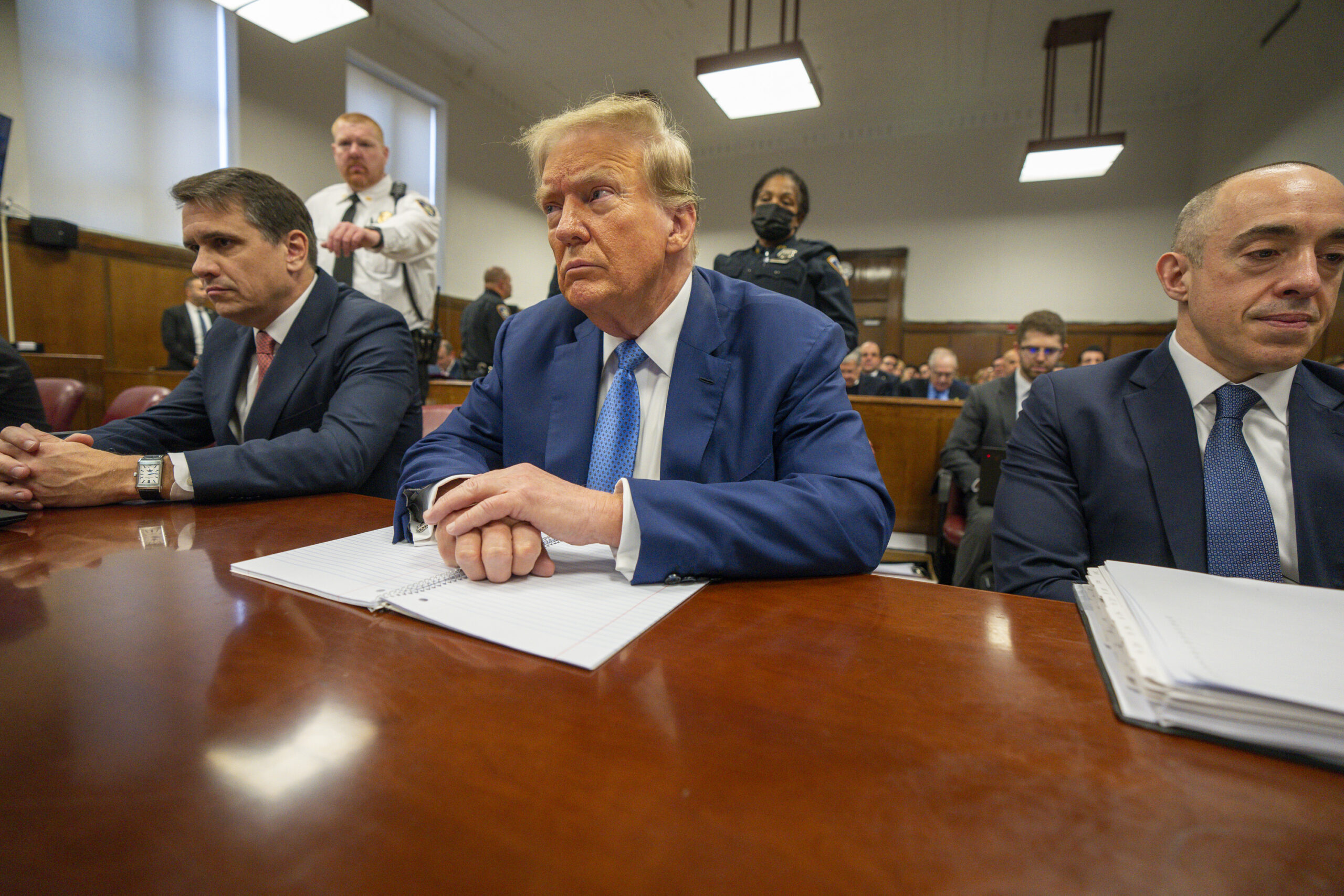 New York Sun
Trump Wins Major Appeals Court Victory That Could Clear the Way for Dismissal of Felony Convictions in Stormy Daniels Case
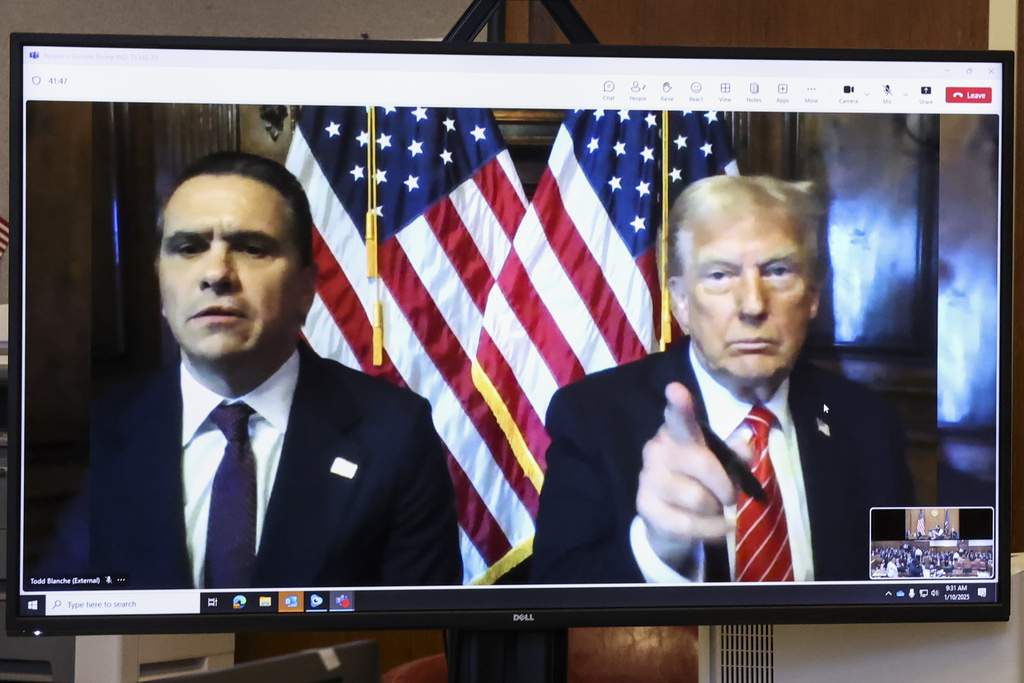
 Washington Examiner
Appeals court gives Trump second chance to dismiss hush money conviction
Overview
A federal appeals court has granted Donald Trump another opportunity to argue his New York hush money case should be moved to a federal bench.
This decision follows Judge Hellerstein's previous rejections of the motion, with the Second Circuit requesting reconsideration of the transfer.
The appellate court criticized Judge Hellerstein for not adequately considering relevant issues, leading to an incomplete analysis of the hush money case.
Trump's legal team asserts that charges related to a former president's time in office should be heard in federal court, not state court.
This legal maneuver aims to challenge Trump's May 2024 conviction on 34 felony counts, potentially leading to dismissal of the felony convictions.
Analysis
Center-leaning sources are neutral in their coverage, focusing on the procedural aspects of the appeals court's decision regarding Donald Trump's hush money conviction. They present the legal arguments from both sides without evaluative language, ensuring a balanced report on the court's directive for a lower court review. The reporting prioritizes factual developments and legal reasoning.
FAQ
The federal appeals court granted Trump another opportunity because it found that Judge Alvin Hellerstein's earlier rejections of the transfer motion involved an incomplete analysis and did not adequately consider relevant issues concerning the venue transfer.
Trump's legal team argues that charges relating to a former president’s time in office should be adjudicated in federal court rather than state court. Moving the case could challenge the legitimacy of the state court proceedings and might lead to dismissal of the felony convictions or a different legal outcome.
Judge Hellerstein originally denied the motion to transfer the case to federal court on the grounds that Trump had not demonstrated good cause for the move, leading to the initial rejection of the venue change request.
Trump was convicted in May 2024 on 34 felony counts connected to the hush money payments. He became the first U.S. president to be convicted of a felony. However, following a series of delays and after winning the 2024 presidential election, he was sentenced to an unconditional discharge, meaning charges were upheld but no fine, probation, or jail time was imposed, and he is currently appealing the conviction.
Following the appeals court's remand, Judge Hellerstein has been ordered to take a fresh look at the request to move the case to federal court, reconsidering the issues previously deemed incomplete. The outcome of this reconsideration could impact the venue of the trial and potentially the status of Trump's felony convictions.