Supreme Court Upholds Trump Administration's Policy Limiting Passport Gender Markers
The Supreme Court upheld the Trump administration's policy, requiring U.S. passports to reflect biological sex at birth, limiting gender marker options for transgender and nonbinary individuals.
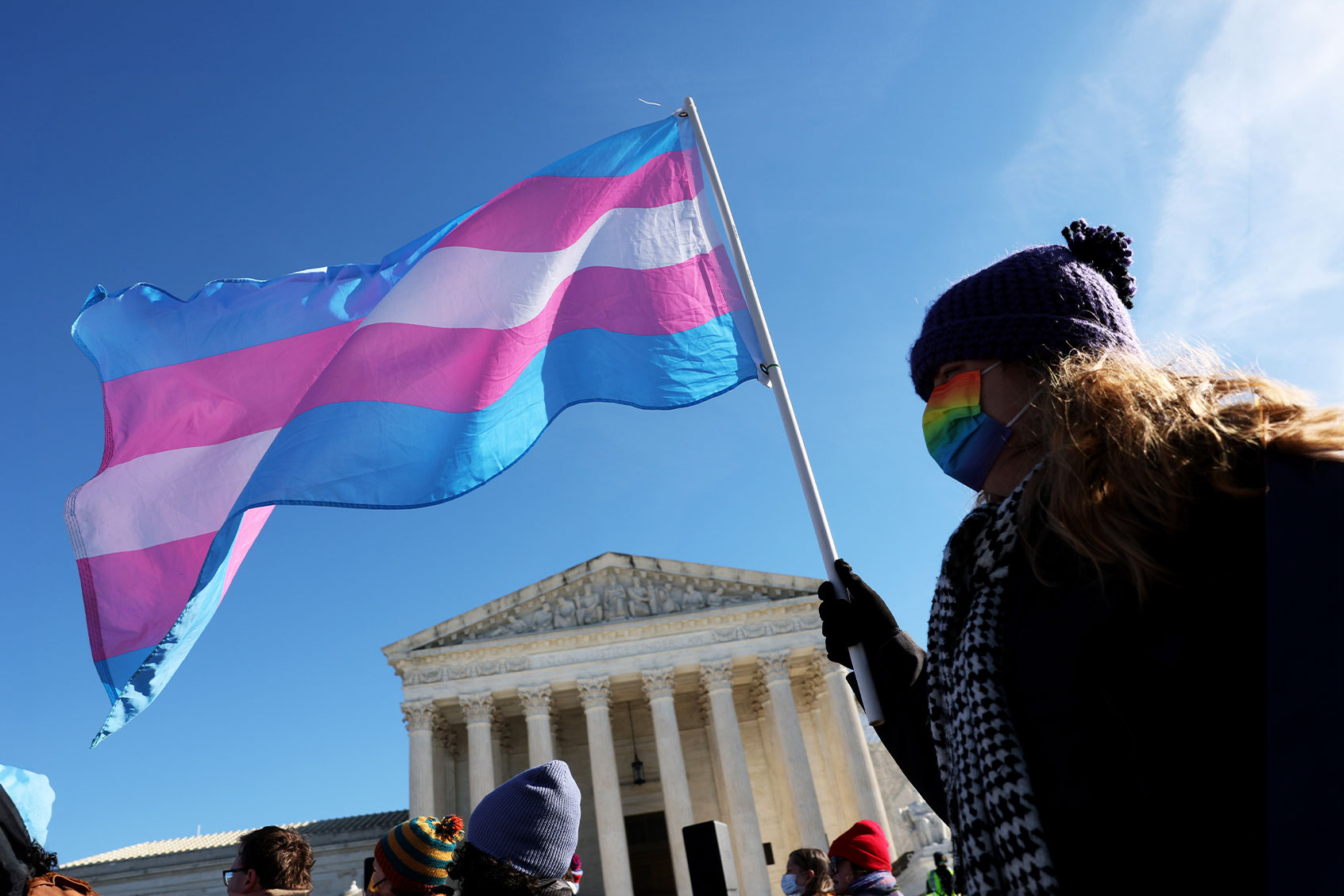
 Salon
SalonSupreme Court revives Trump admin ban on transgender, nonbinary passport identification
 Breitbart News
SCOTUS Allows Trump to Enforce Requiring Biological Sex on Passports
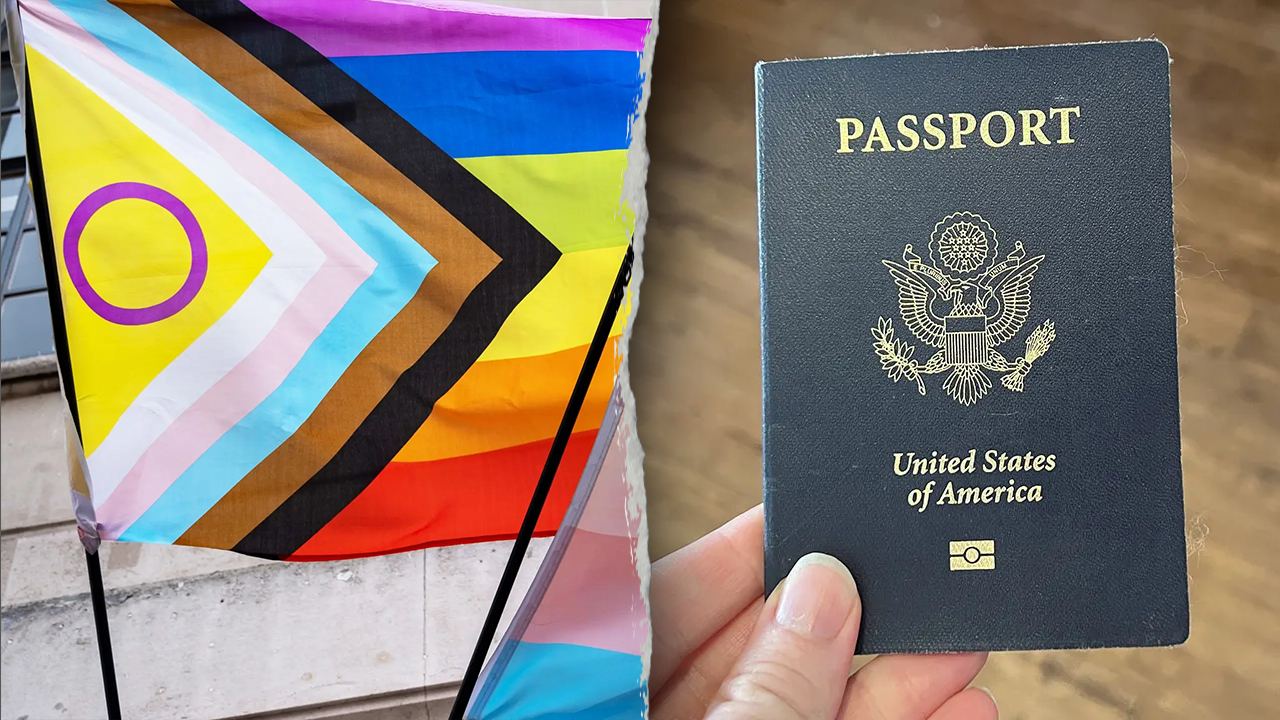
 FOX News
Supreme Court hands Trump victory on transgender passport policy change
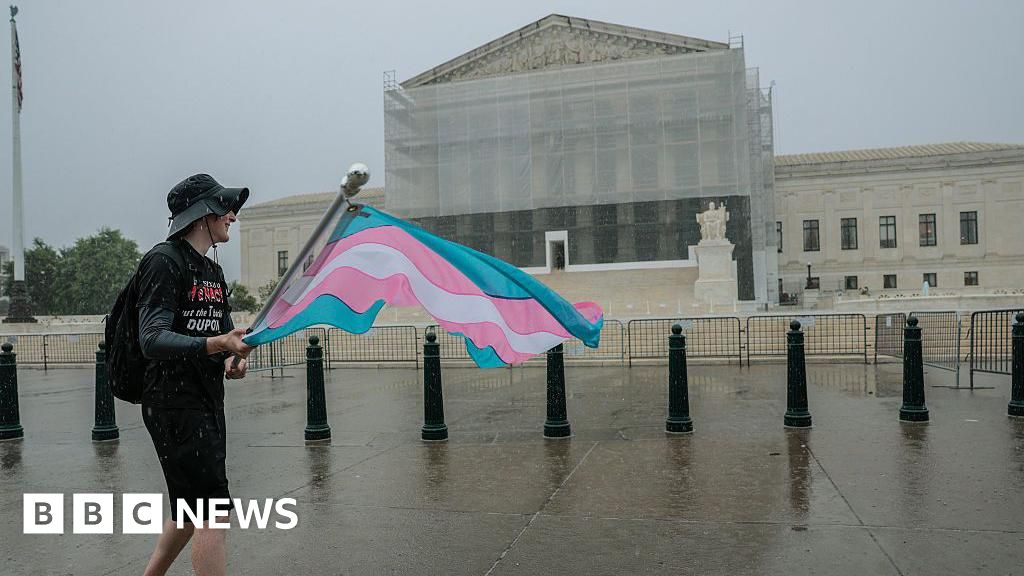
 BBC News
US Supreme Court lets Trump administration require gender at birth be listed on passports
Overview
The Supreme Court allowed the Trump administration to block transgender and nonbinary individuals from selecting passport sex markers aligned with their gender identity, overturning a Biden policy.
The ruling allows the State Department to enforce a policy requiring U.S. passports to reflect biological sex at birth, limiting gender marker options to only male or female.
This decision was a significant win for the Trump administration and a setback for LGBTQ+ rights, despite challenges arguing potential harm to transgender and non-binary individuals.
Justices Jackson, Kagan, and Sotomayor dissented, criticizing the decision and expressing concern about increased vulnerability to violence, harassment, and discrimination for transgender individuals.
Critics argue that requiring gender-discordant identity documents increases risks of harassment and violence for transgender individuals during travel, impacting their safety and well-being.
Analysis
Center-leaning sources cover this story neutrally by presenting the Supreme Court's decision factually and including diverse perspectives. They avoid loaded language, instead attributing strong opinions to quoted parties. This balanced approach ensures readers receive a comprehensive overview of the ruling, its context, and the arguments from all sides involved in the legal challenge.
FAQ
The Supreme Court upheld the Trump administration's policy requiring U.S. passports to reflect the biological sex assigned at birth, limiting gender marker options to male or female and preventing transgender and nonbinary individuals from selecting markers aligned with their gender identity.
Justices Jackson, Kagan, and Sotomayor dissented, expressing concern that the policy increases vulnerability of transgender individuals to violence, harassment, and discrimination, and criticized the decision as harmful to LGBTQ+ rights.
The Court stated that displaying passport holders' biological sex is akin to displaying country of birth, merely attesting to a historical fact without differential treatment, and found that the government’s choice lacked any purpose other than to enforce a consistent policy, making it likely to succeed on the merits.
The policy faced a preliminary injunction issued by the U.S. District Court for the District of Massachusetts, which the Supreme Court stayed to allow enforcement while the ACLU and others continue to challenge it in court.
The policy forces transgender and nonbinary individuals to carry passports reflecting their birth-assigned sex rather than their gender identity, which critics argue increases risks of harassment, discrimination, and violence during travel, affecting their safety and dignity.