Government Reopens, SNAP Funding Restored Amidst Supreme Court Battle Over Past Benefits
Government reopens, replenishing SNAP funds. A legal dispute over the Trump administration's past benefit cuts during the shutdown awaits a Supreme Court ruling.
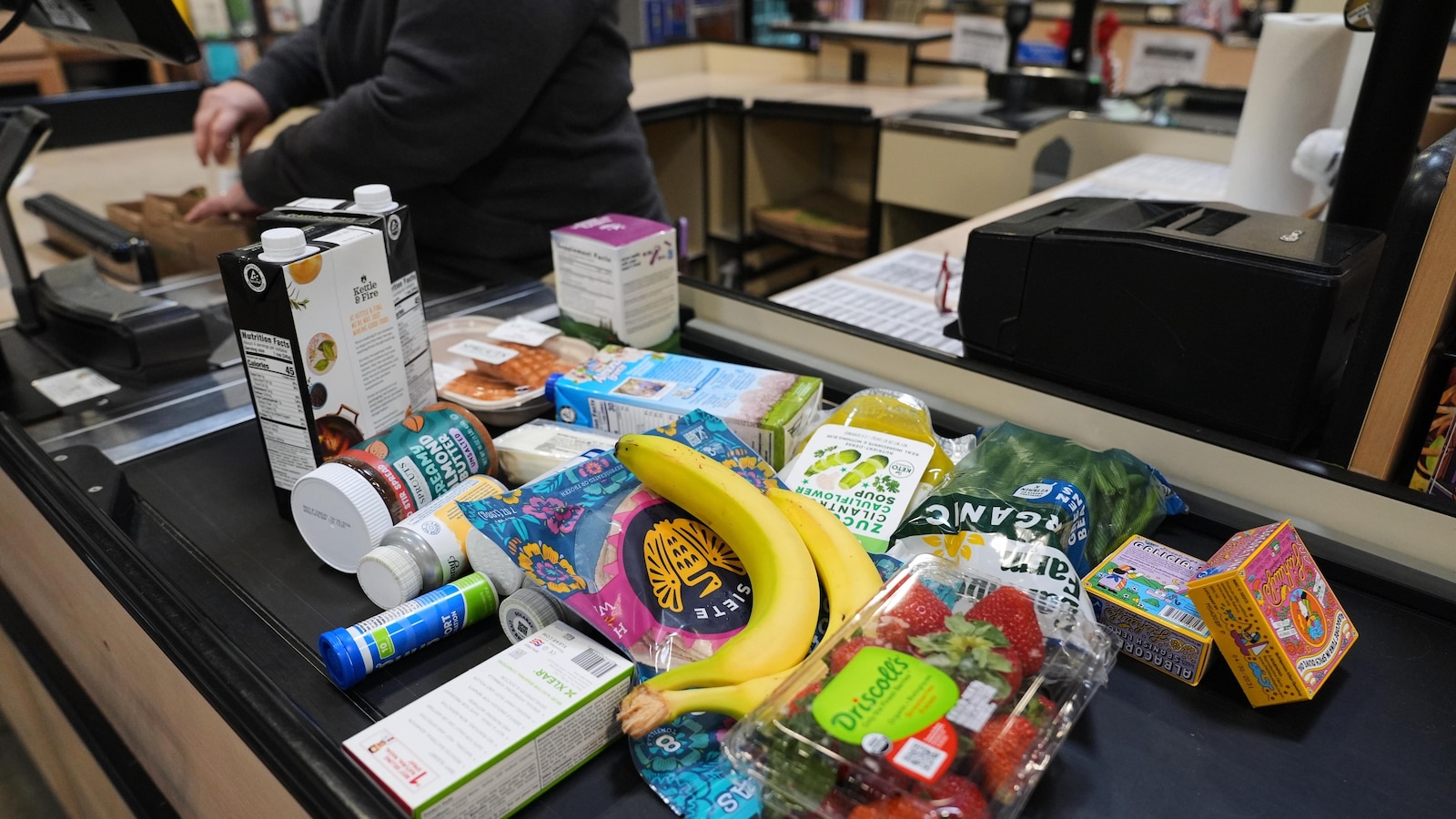
 ABC News
The Supreme Court is expected to say whether full SNAP food payments can resume
ABC NewsThe Supreme Court is expected to say whether full SNAP food payments can resume
 Associated Press
The Supreme Court is expected to say whether full SNAP food payments can resume
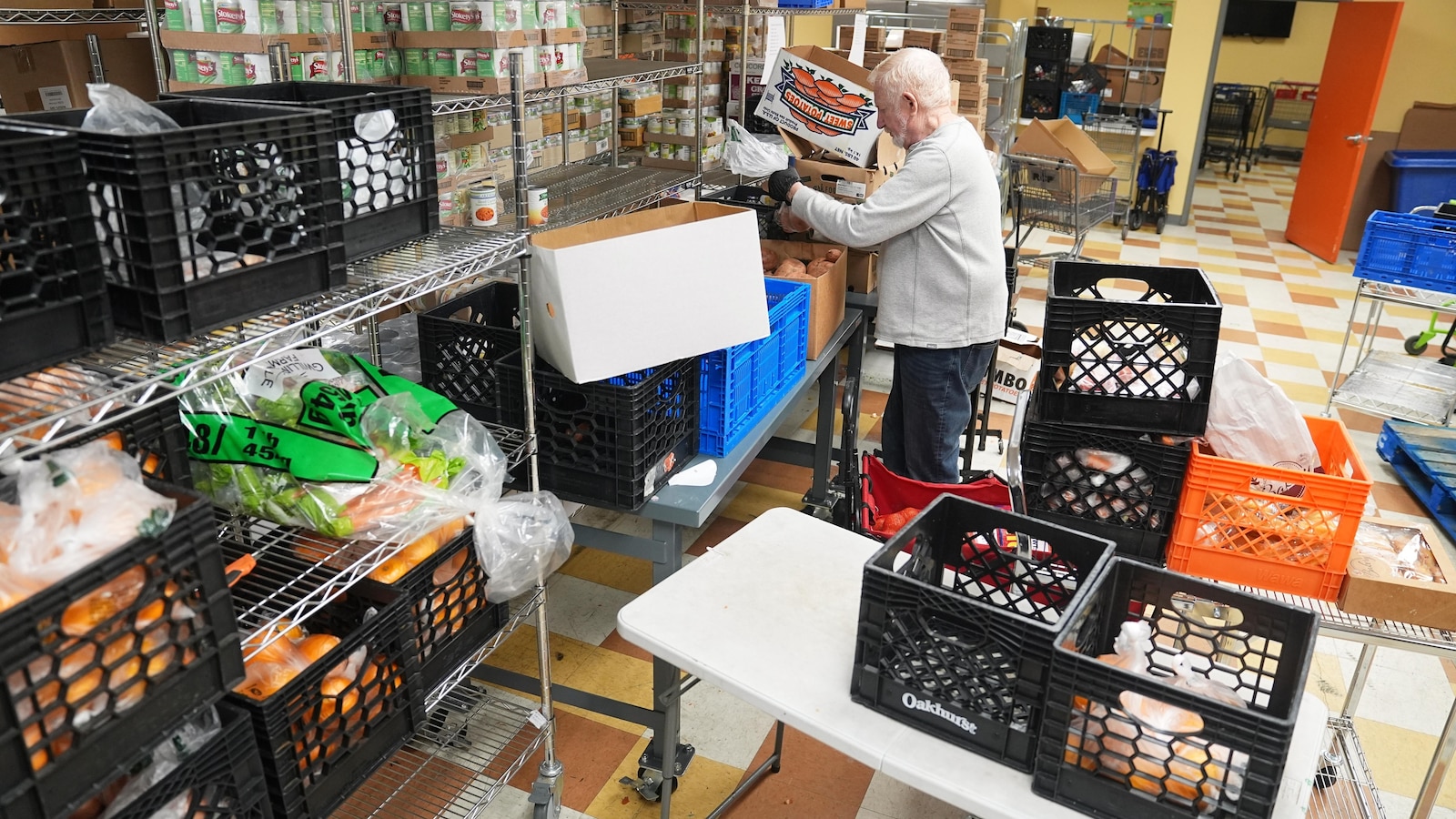 ABC News
Trump administration renews Supreme Court appeal to keep full SNAP payments frozen
Overview
The U.S. Senate passed legislation to reopen the government and replenish SNAP funds, effectively ending the federal shutdown and restoring benefit allocations.
The Trump administration previously demanded states reverse full November SNAP benefits, deeming them "unauthorized" despite lower court rulings ordering full disbursement during the shutdown.
This directive sparked legal challenges and conflicting court rulings, with an appeals court ordering full funding to resume unless the Supreme Court intervenes again.
The U.S. Supreme Court is now expected to rule on whether the Trump administration must comply with lower-court orders for full SNAP payments, impacting many beneficiaries.
Despite the government reopening, the Supreme Court's decision will determine the fate of past SNAP payments, as some beneficiaries received full allocations while others did not.
Analysis
Center-leaning sources are neutral, focusing on reporting the complex, evolving legal and political developments surrounding SNAP benefits. They explain the back-and-forth judicial rulings, the Trump administration's directives, and congressional efforts to resolve the government shutdown. The coverage consistently attributes strong opinions to officials and highlights the human impact through statistics and personal accounts, without injecting editorial bias.
FAQ
The Trump administration claimed the benefits were "unauthorized" and refused to spend all available SNAP funds, despite legal requirements and lower court orders mandating full disbursement during the shutdown. This decision was challenged in court and attributed to a lack of political will rather than a lack of legal authority or funding.
Multiple lawsuits were filed by state attorneys general, nonprofit coalitions, and in class action cases. Lower courts ruled that the USDA must fully fund SNAP using contingency and reserve funds, but the administration appealed. The Supreme Court is now set to decide whether the administration must comply with these lower-court orders.
The government reopening led to legislation that replenished SNAP funds, ending the federal shutdown and restoring benefit allocations. However, the Supreme Court still needs to rule on whether the administration must comply with past court orders for full SNAP payments during the shutdown period.
The delays and cuts caused administrative chaos for states, heightened fear for millions of vulnerable families, and created uncertainty about food security. Some families received full benefits while others did not, depending on conflicting court rulings and state actions.
Yes, the Supreme Court has previously intervened, and the appeals court ordered full SNAP funding to resume unless the Supreme Court intervened again. The Court is now expected to rule on whether the administration must comply with lower-court orders for full SNAP payments during the shutdown.
