Longest US Government Shutdown Nears End Amid Widespread Air Travel Chaos and Delays
The 42-day US government shutdown, the longest in history, is causing widespread air travel chaos with flight reductions and delays, impacting millions as its end approaches.
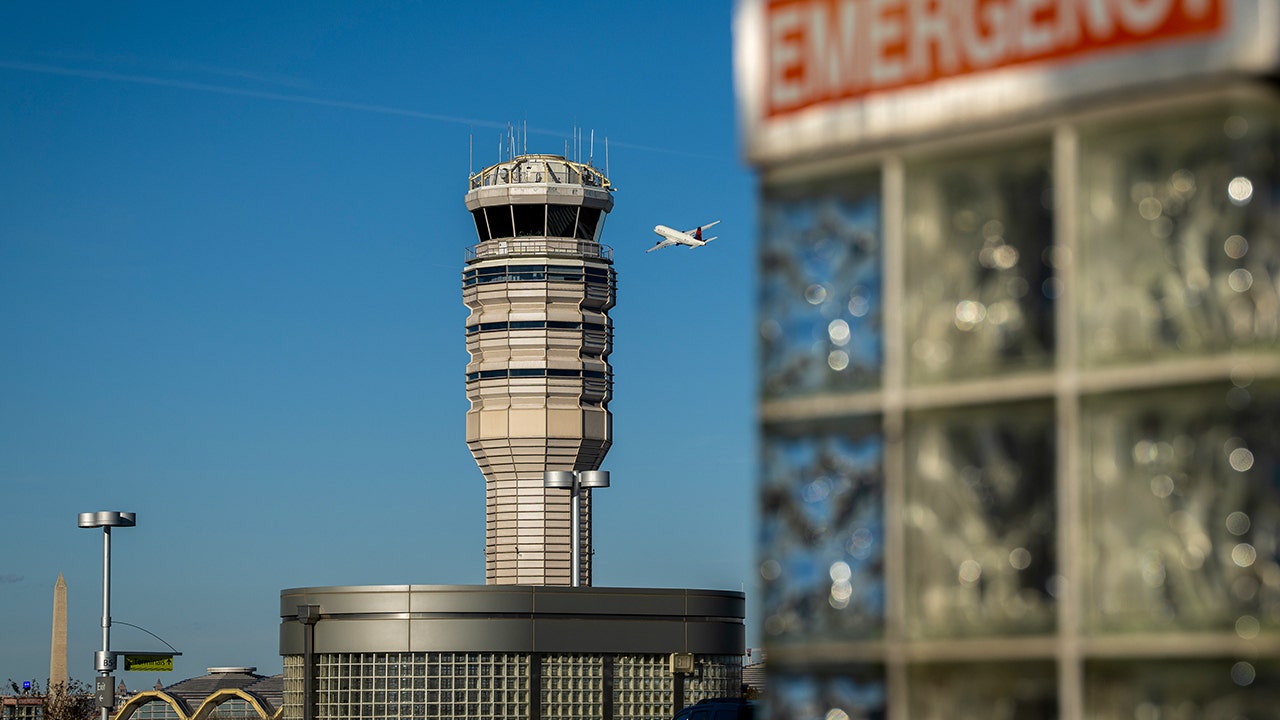
 Fox Business
Aviation expert warns shutdown turbulence could linger: Here’s how to prep for smooth travel this holiday season
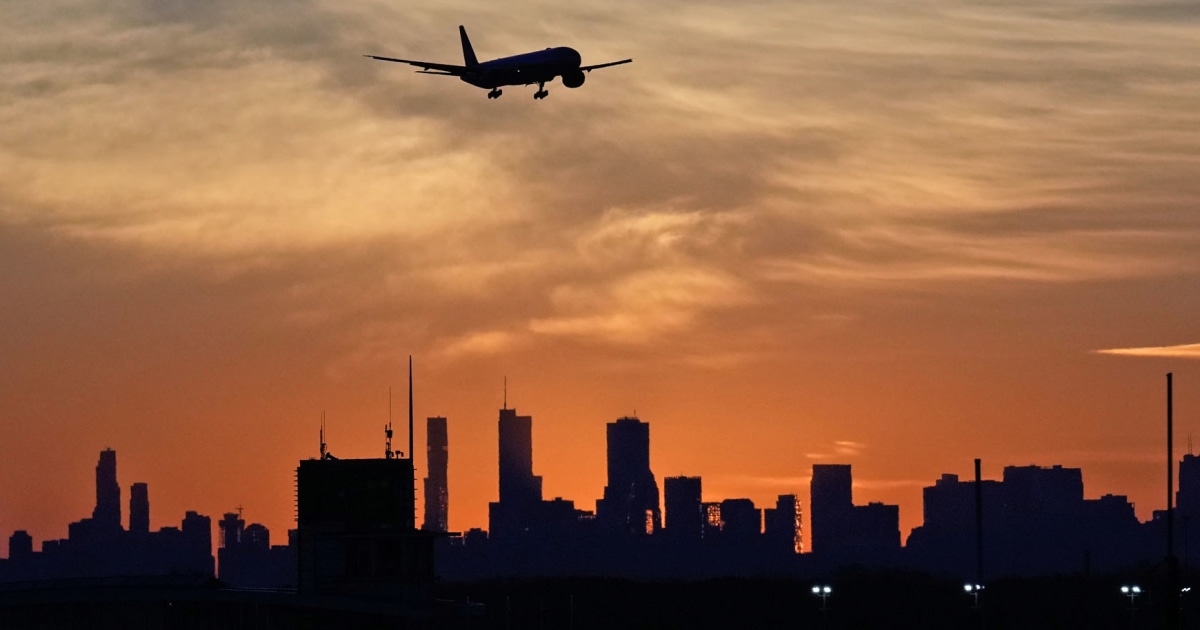
 NBC News
FAA keeps flight cancellations at 6% as House is set to vote to end shutdown
 Business Insider
Mass delays and stranded travelers: Photos capture airport chaos amid the longest government shutdown in US history
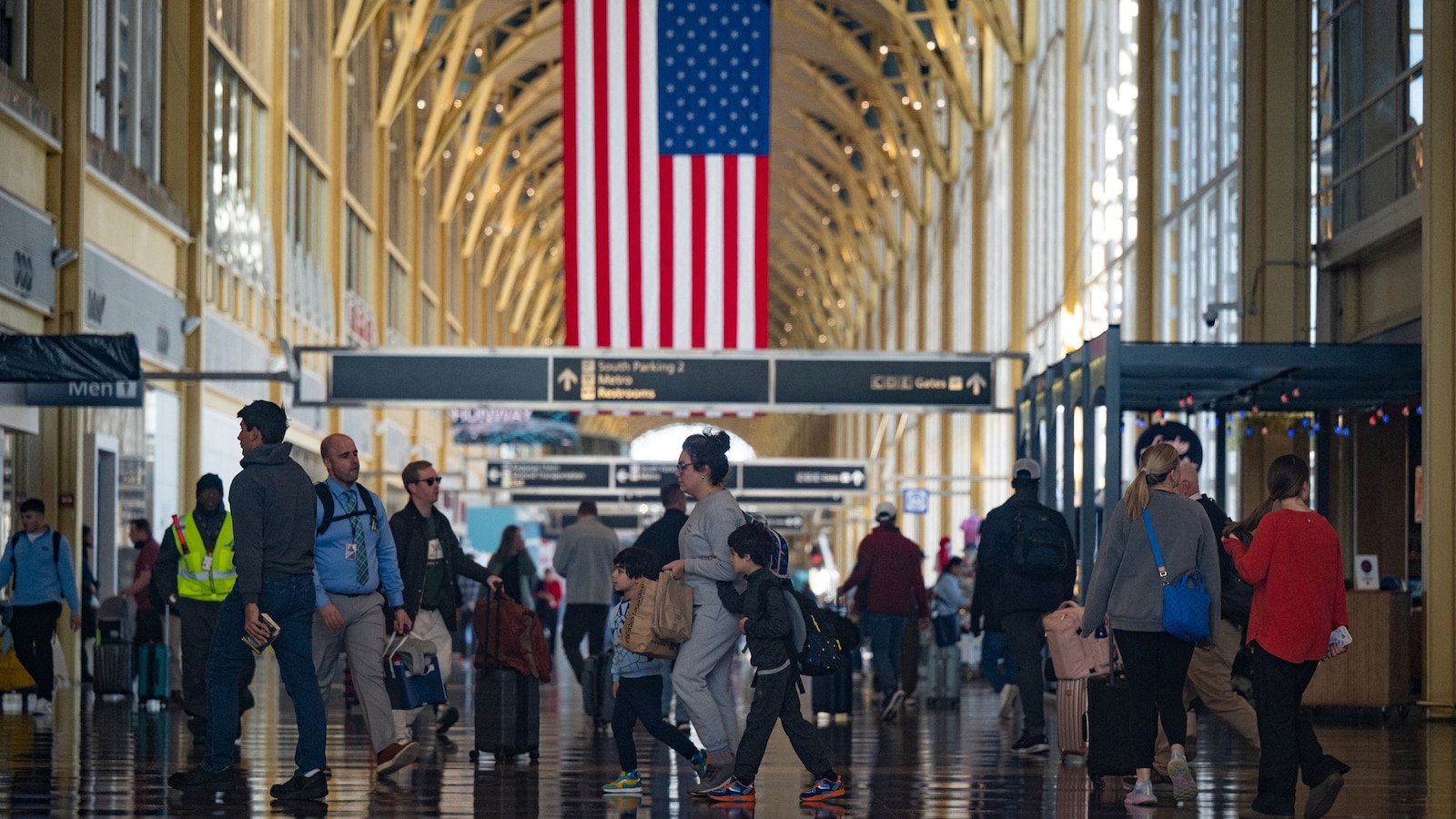
 ABC News
More than 850 flights canceled in US early Wednesday, tracker says
Overview
The US government shutdown, now the longest in history at 42 days, has severely disrupted air travel nationwide, causing chaos and impacting millions of travelers.
Air traffic controllers are working without pay during the shutdown, contributing to critical staffing shortages and operational challenges at airports across the country.
The Federal Aviation Administration (FAA) has ordered airlines to reduce daily flights by 6% at 40 major airports, leading to over 1,200 domestic flight cancellations.
Millions of air travelers have experienced significant delays, including a notable five-hour wait at Chicago O'Hare, with Transportation Secretary Sean Duffy warning of further disruptions.
While the shutdown is expected to end soon, flight reductions will continue until safety metrics and staffing levels stabilize, with freezing weather posing additional threats to air travel.
Analysis
Center-leaning sources cover the story neutrally, focusing on factual reporting of flight disruptions and their direct link to the government shutdown. They consistently present data, official statements, and the political efforts to resolve the shutdown without employing loaded language or prioritizing a specific ideological viewpoint.
FAQ
Air traffic controllers are federal employees, and during a government shutdown, non-essential government workers are furloughed or required to work without immediate pay until Congress passes a new budget.
The FAA's order to reduce daily flights by 6% at 40 major airports has led to over 1,200 domestic flight cancellations, causing significant delays and disruptions for millions of air travelers.
Flight delays persist due to ongoing staffing shortages among air traffic controllers, the need to stabilize safety metrics, and additional challenges posed by freezing weather conditions.
The shutdown is expected to end soon, but flight reductions will continue until staffing and safety metrics stabilize, and travelers should expect ongoing disruptions until normal operations resume.
Major airports like Chicago O'Hare have seen significant delays, with some travelers experiencing waits of up to five hours due to reduced staffing and flight cancellations.