Indonesia Declares Controversial Dictator Suharto a National Hero Amidst Widespread Outcry
Indonesia declared former dictator Suharto a national hero, sparking outrage from rights groups and survivors condemning his authoritarian rule and human rights abuses.
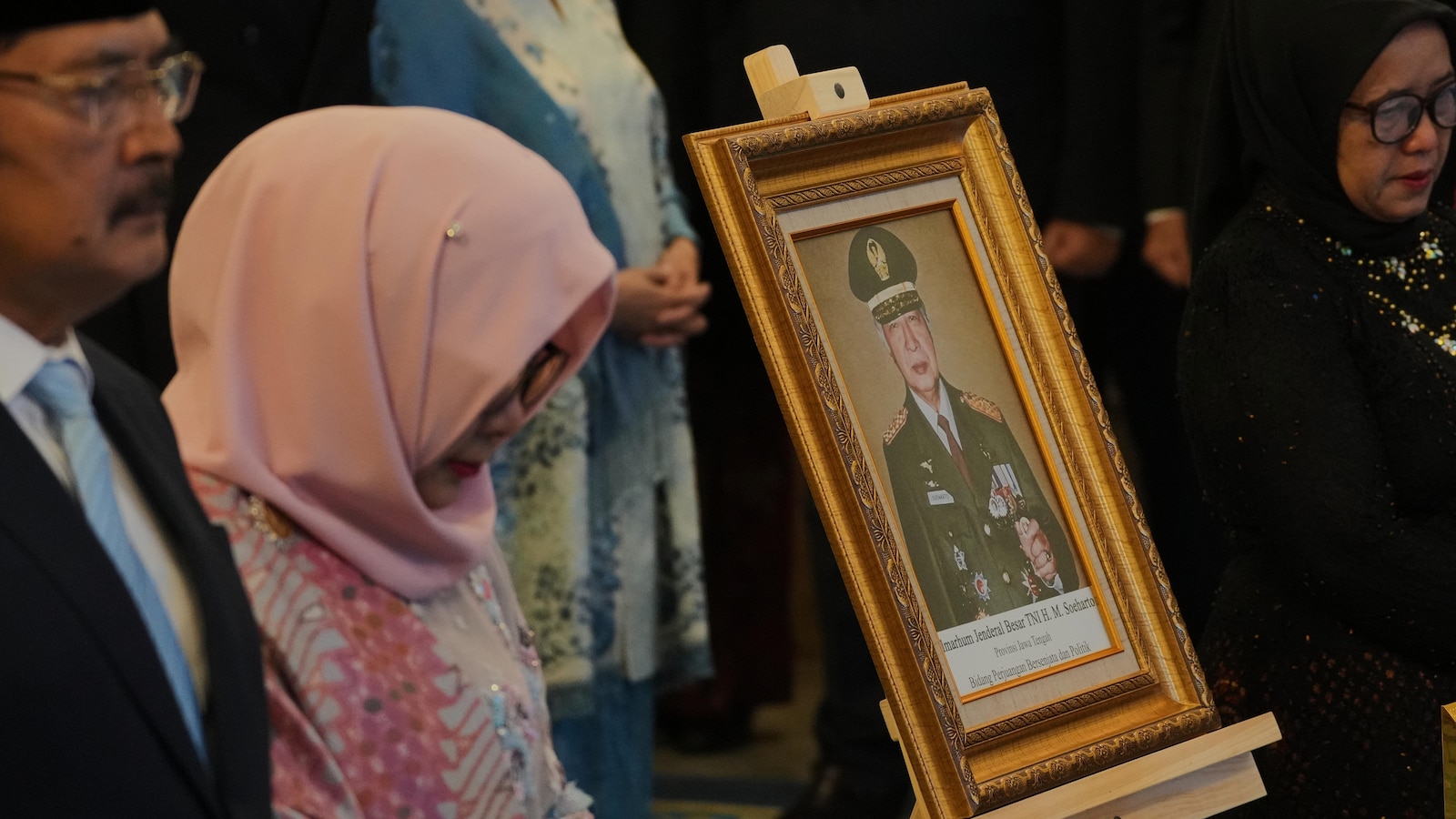
 ABC News
Indonesia declares late dictator a national hero, despite rights groups' outrage
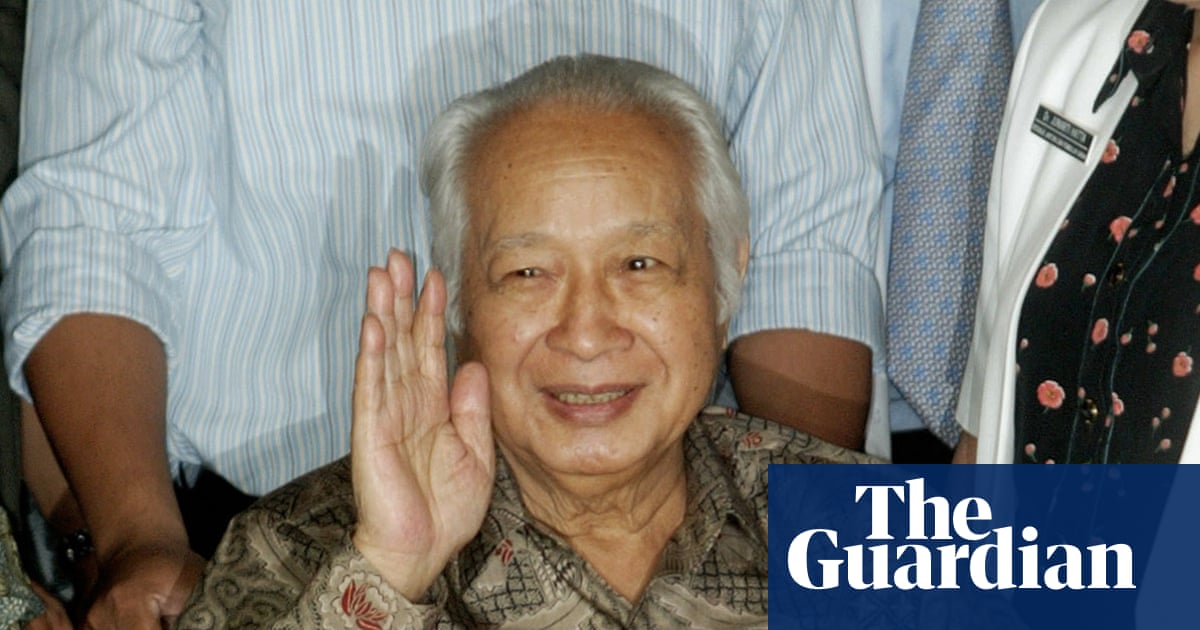
 The Guardian
Fury as Indonesia declares late authoritarian ruler Suharto a national hero
 Associated Press
Indonesia declares late dictator Suharto a national hero, despite outrage from rights groups

 Al Jazeera
Indonesia makes former president Soeharto posthumous national hero
Overview
Indonesia officially declared former dictator Suharto a national hero, igniting widespread controversy and condemnation from human rights organizations and victims of his authoritarian regime.
Rights groups and survivors expressed outrage, citing Suharto's authoritarian rule, extensive human rights abuses, and the killing of up to a million political opponents.
Minister of Culture Fadli Zon defended the decision, highlighting Suharto's perceived achievements in reducing poverty and controlling inflation, despite strong criticism of his past actions.
Critics view the declaration as an attempt to whitewash historical facts and revise the narrative surrounding Suharto's iron-fisted rule, which spanned over three decades.
Current Indonesian President Prabowo, who has close ties to Suharto and a past in a unit accused of abuses, did not comment on the controversial national hero declaration.
Analysis
Center-leaning sources frame this story by emphasizing the controversial nature of Suharto's national hero declaration. They consistently use strong, evaluative language to describe his authoritarian rule, highlighting extensive human rights abuses and corruption. While including official justifications, sources prioritize the perspectives of critics and victims, underscoring the "outrage" and the perceived attempt to "whitewash" history through editorial choices.
FAQ
Suharto was the authoritarian ruler of Indonesia for over three decades, from 1967 to 1998, known for his military coup that brought the New Order government into power, maintaining control through widespread human rights abuses including the killing of up to a million political opponents.
The declaration is controversial due to Suharto's authoritarian rule marked by extensive human rights abuses and corruption; many view it as an attempt to whitewash history and ignore the suffering caused during his regime, despite some claims of his economic achievements like reducing poverty and inflation.
Suharto's regime was responsible for mass killings of up to one million political opponents, torture, imprisonment, and enforced disappearances, as well as suppressing dissent through military and police violence for over 30 years.
Post-Suharto Indonesia has seen little accountability for past abuses; efforts by bodies like Komnas HAM to prosecute crimes against humanity have largely stalled, with legal and political obstacles preventing serious justice efforts, perpetuating a culture of impunity.
Suharto and his inner circle were implicated in massive corruption, with estimates of improperly acquired wealth around $35 billion; this corruption has been a significant barrier to Indonesia's economic development and continues to impact governance and reform efforts.


