Senate Advances Government Funding Bill, Overcoming Filibuster
The Senate successfully broke a filibuster and voted to end debate on a motion to proceed with a House-passed continuing resolution, moving closer to funding the government.
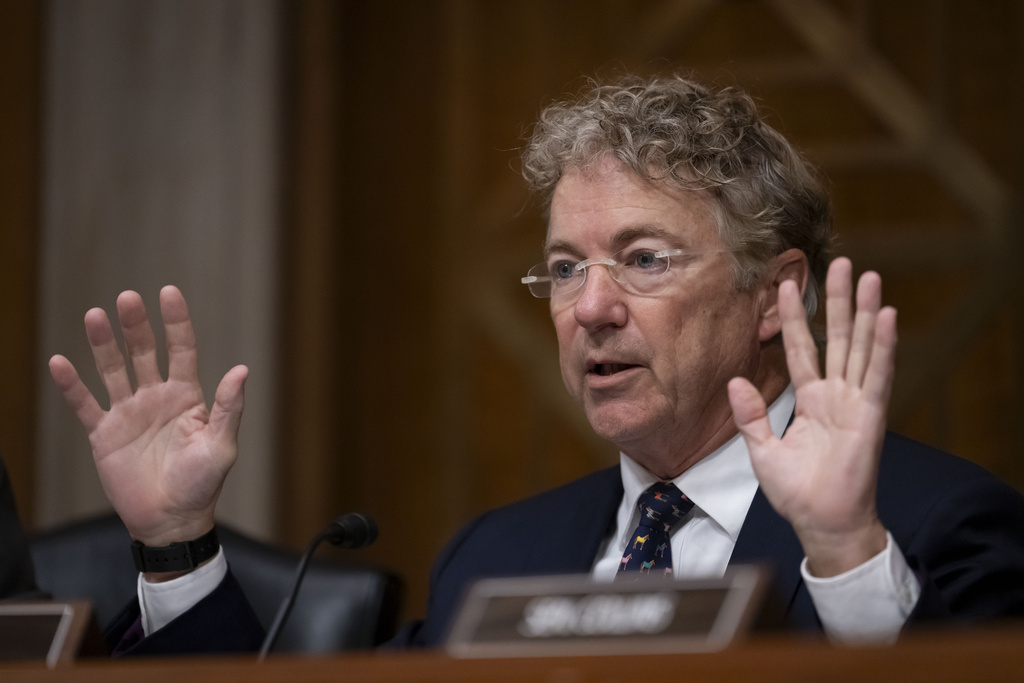




Overview
The Senate took a significant procedural step by breaking a filibuster, allowing them to begin work on a critical government funding bill.
Senators voted to end debate on a motion to proceed, indicating a bipartisan effort to advance the legislative process for the resolution.
This action specifically targets a House-passed continuing resolution, which is designed to fund government operations and prevent a shutdown.
The vote signifies the Senate's intent to move forward with the legislation, overcoming initial procedural hurdles to address federal funding.
By advancing this resolution, the Senate aims to ensure the continued operation of government services and avoid potential disruptions.
Analysis
Analysis unavailable for this viewpoint.
FAQ
The bill extends government funding at FY 2025 levels through January 30, 2026, ending the shutdown, restoring operations across all federal agencies, providing retroactive pay to furloughed employees, and prohibiting further layoffs. It also includes targeted funding for priorities like disaster relief, cybersecurity, and veterans' medical care.
Many progressive Democrats opposed the bill because it does not include an extension of Affordable Care Act (ACA) tax credits, which they consider a key priority. Senate Minority Leader Chuck Schumer and others criticized the lack of health care provisions, arguing that Democrats should have held out for a deal that included them.
After the Senate advances the bill by ending debate, the chamber will proceed to consider and vote on the final version of the funding bill. If passed, it will go to the House for consideration and, if approved by both chambers, to the President for signature.
The bill restores operations for all federal agencies and provides retroactive pay to furloughed federal and state employees. It also prohibits further layoffs and rescinds layoff notices issued since October 1, 2025.
The bill allocates $153.3 billion for VA and military construction, $26.7 billion for Agriculture-FDA, and $7.3 billion for the Legislative Branch. It also includes advance appropriations for FY 2027 and targeted funding for disaster relief, cybersecurity, and nutrition programs.