Supreme Court to Rule on Legality of Late-Arriving Mail Ballots
The Supreme Court will decide whether states can count mail-in ballots received after Election Day, a major dispute impacting election procedures nationwide and challenged by the Republican National Committee.
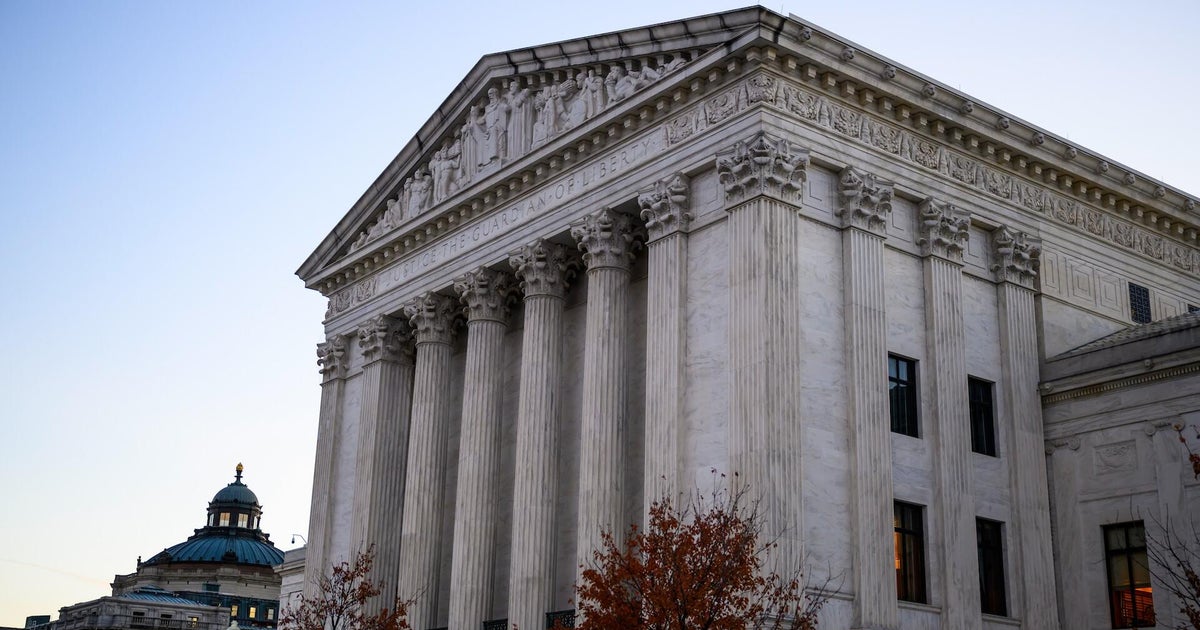
 CBS News
Supreme Court takes up major elections dispute over counting of late-arriving mail ballots
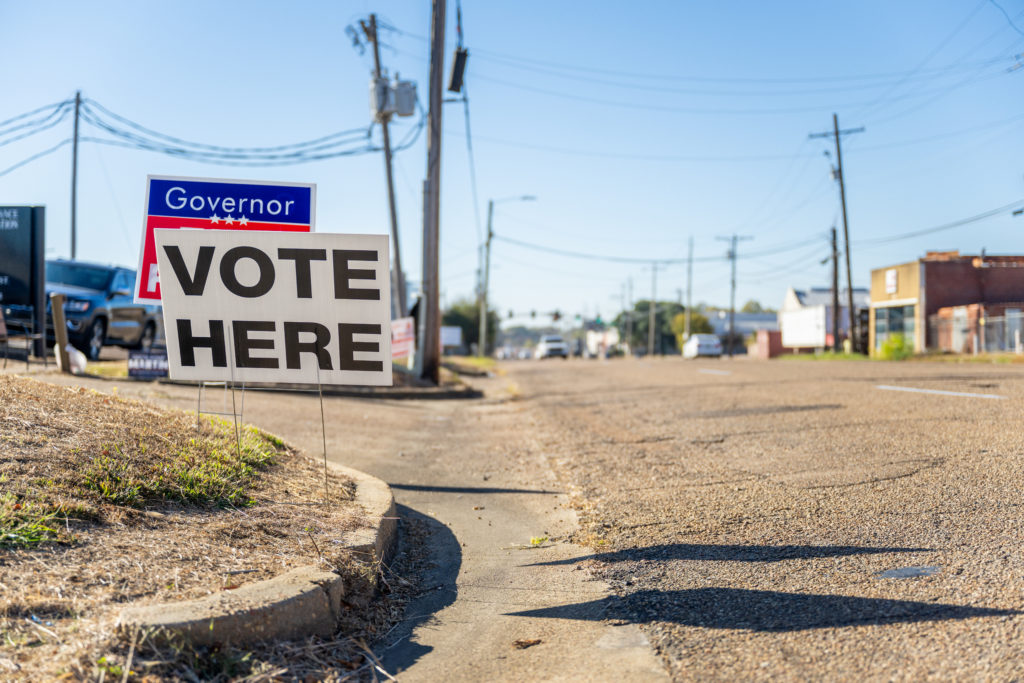
 PBS NewsHour
Supreme Court will decide whether states can count late-arriving mail ballots, a Trump target ahead of midterms
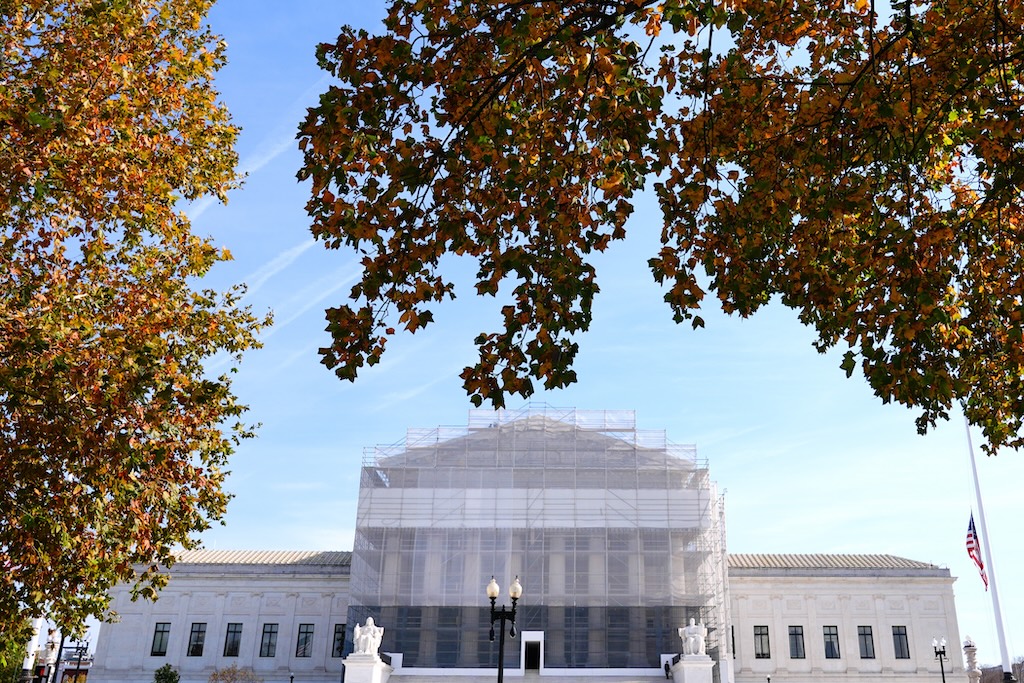
 Washington Examiner
Supreme Court to review legality of counting mail ballots arriving after Election Day
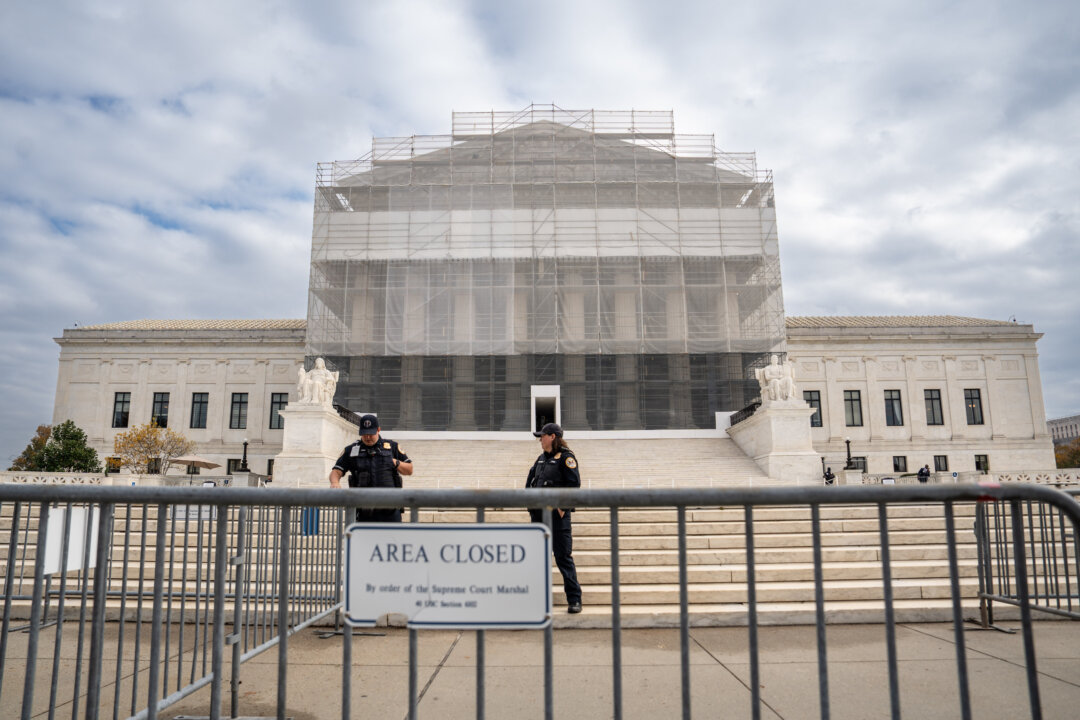
 Epoch Times
Supreme Court Agrees to Decide If Mail-In Ballots Must Arrive by Election Day
Overview
The Supreme Court is set to rule on the legality of counting mail-in ballots that arrive after Election Day, a decision with significant nationwide implications for election procedures.
The case stems from an appeal by Mississippi after the 5th US Circuit Court of Appeals ruled its law, allowing ballots up to five days late if postmarked by Election Day, violated federal law.
Mississippi Attorney General Lynn Fitch warned that upholding the appellate ruling could destabilize election processes across the country, affecting states that currently allow such ballots.
The Republican National Committee is challenging Mississippi's law, arguing that counting late-arriving ballots undermines election confidence, a sentiment echoed by Trump.
The Supreme Court's decision, expected in late winter or early spring, will determine whether states can continue to accept and count mail-in ballots postmarked by Election Day but received afterward.
Analysis
Center-leaning sources frame this story by highlighting the political origins of the challenge to mail-in ballots. They emphasize that the shift in Republican stance against expanded absentee voting occurred "at the instigation of President Donald Trump," whose complaints about "rigged" elections are explicitly noted as being "without evidence." This editorial choice subtly links the current legal dispute to unsubstantiated political claims, shaping the narrative around the motivations behind the RNC's argument.
FAQ
Eighteen states and the District of Columbia allow counting mail-in ballots received after Election Day if they are postmarked by Election Day, including swing states like Nevada and states that rely heavily on mail voting such as Colorado, Oregon, and Utah.
The 5th U.S. Circuit Court of Appeals ruled that Mississippi's law permitting ballots arriving up to five days after Election Day to be counted violated federal law, which requires mail-in ballots to arrive by Election Day.
The Supreme Court is expected to hear arguments in late winter or early spring and issue a final ruling by late June, in time to impact the 2026 midterm congressional elections.
The Republican National Committee challenges the counting of late-arriving ballots, arguing that it undermines election confidence, a concern echoed by former President Trump.
Mississippi Attorney General Lynn Fitch warned that upholding the appellate court ruling would have destabilizing nationwide ramifications for election processes, affecting states that currently allow counting late-arriving mail ballots.

