Government Shutdown Leaves Millions Without Full SNAP Benefits Amidst Inconsistent State Aid
The government shutdown halts full SNAP benefits for millions, causing food insecurity and inconsistent state aid distribution, as a vote nears to end the crisis.
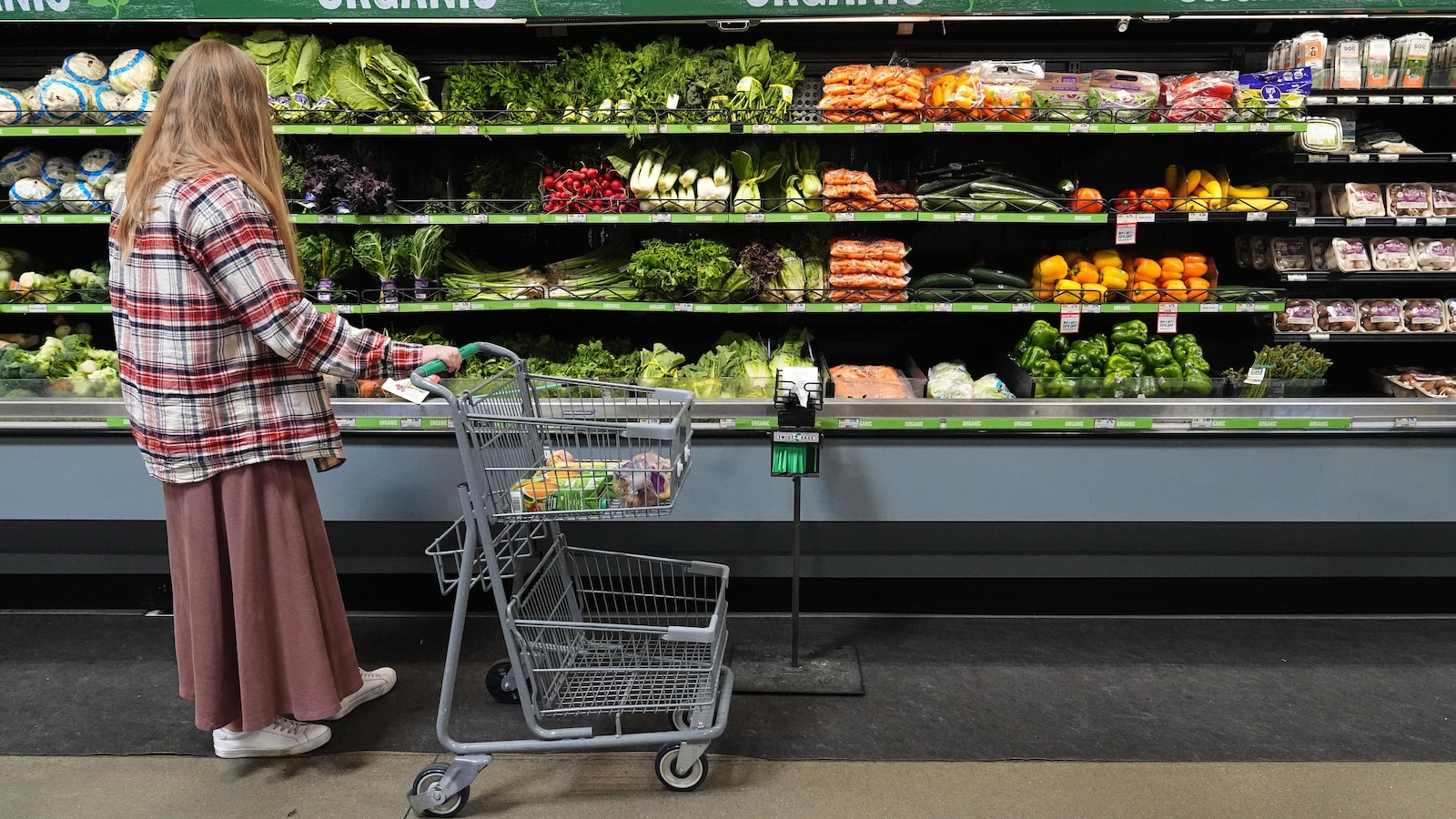
 ABC News
What to know about the status of SNAP food aid as a vote nears to end the shutdown
 Associated Press
What to know about the status of SNAP food aid as a vote nears to end the shutdown
 Daily Beast
MAGA Supreme Court Justices Vote to Keep Americans Hungry
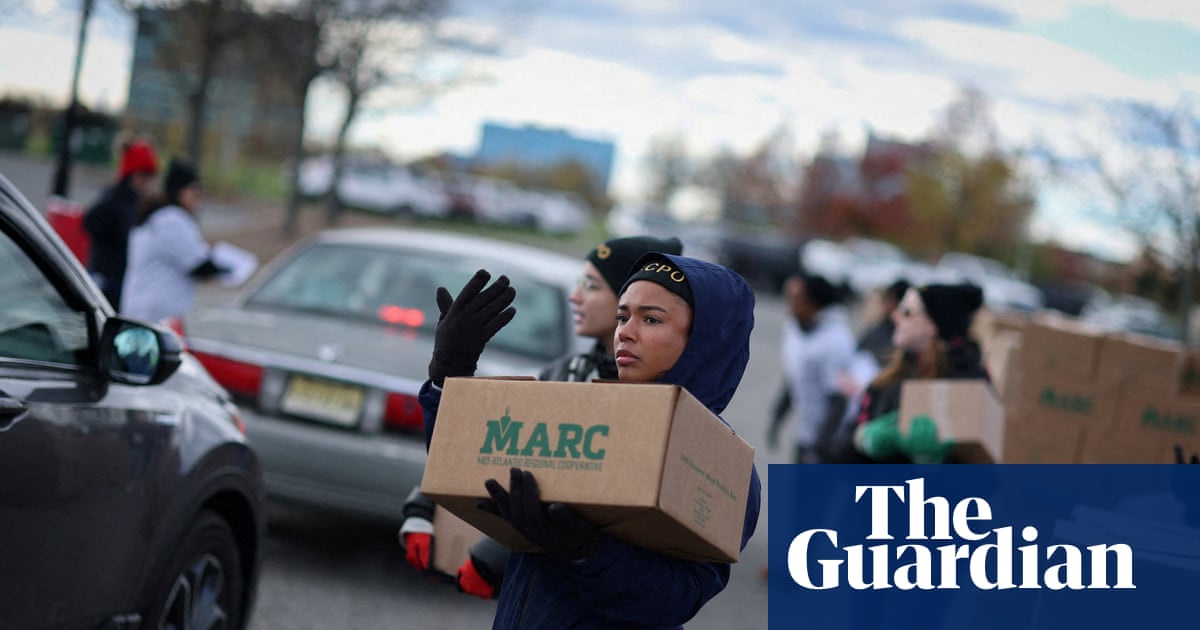
 The Guardian
US supreme court extends Trump pause on $4bn in food aid benefits
Overview
The Supreme Court extended an administrative stay, keeping full federal food assistance (SNAP) payments on hold, impacting millions of Americans during the ongoing government shutdown.
Many Americans relying on SNAP benefits have gone without aid for nearly three weeks due to the program being cut off during the federal government shutdown.
Beneficiaries across different states have experienced varying levels of access to SNAP food aid, with some receiving full monthly allocations while others have received nothing.
At least 19 states and D.C. issued full or partial SNAP benefits, but many recipients report the aid still doesn't cover the full cost of groceries.
A Senate-passed funding bill awaits a House vote, potentially ending the government shutdown and restarting the full SNAP program for 42 million Americans.
Analysis
Center-leaning sources cover the story neutrally by focusing on factual reporting of the government shutdown's impact on SNAP benefits. They explain the complex legal and legislative developments, detailing the actions of the administration, courts, and Congress. The coverage provides a balanced overview of the situation without employing loaded language or selective emphasis.
FAQ
SNAP benefits are being withheld because the federal government shutdown has halted funding for programs dependent on annual appropriations, including SNAP. Without new appropriations or a continuing resolution, federal agencies cannot spend or obligate funds, which stops the distribution of SNAP benefits.
Yes, at least 19 states and Washington, D.C. have issued full or partial SNAP benefits during the shutdown, but the amount and timing vary by state, and many recipients report that the aid does not cover their full grocery needs.
If the shutdown continues into December, there is no guarantee that SNAP benefits will be issued, as states have not received funding for the next fiscal year. The USDA may have limited contingency funds, but their availability and use are uncertain.
SNAP recipients can access emergency food assistance through local food banks, pantries, and meal sites. Calling 211 or visiting 211Utah.org and uah.org can help connect individuals to nearby resources.
A Senate-passed funding bill is awaiting a vote in the House of Representatives. If passed, it would end the government shutdown and restart the full SNAP program for 42 million Americans.
