Lawmakers Demand Video Release as Controversy Deepens Over Deadly Caribbean Drug Boat Strikes
Controversial military strikes against alleged drug traffickers in the Caribbean have killed over 87, prompting legal scrutiny and bipartisan calls for video release.
 Associated Press
Trump says survivors of scrutinized US strike were trying to right boat before 2nd missile was fired
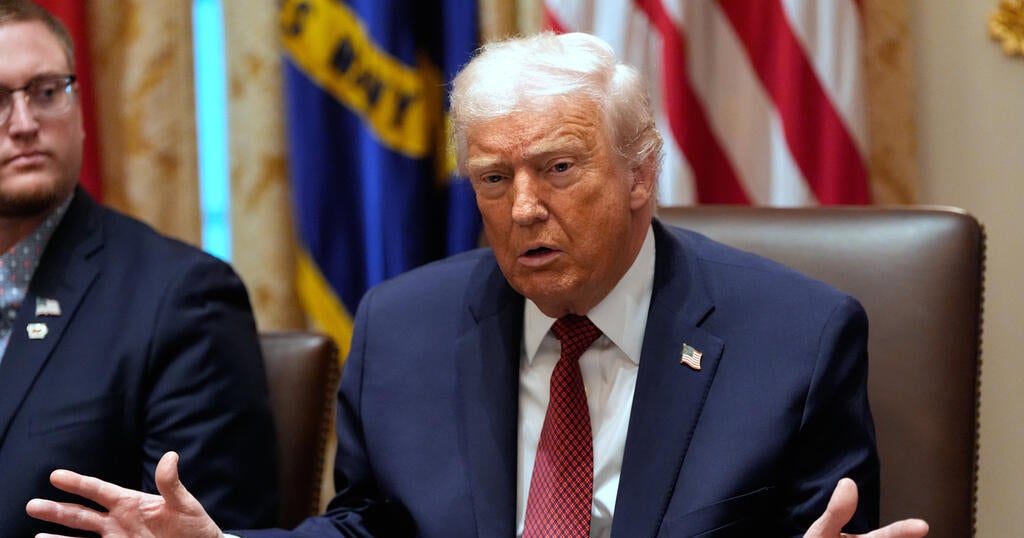
 CBS News
Trump walks back support for releasing video of second boat strike
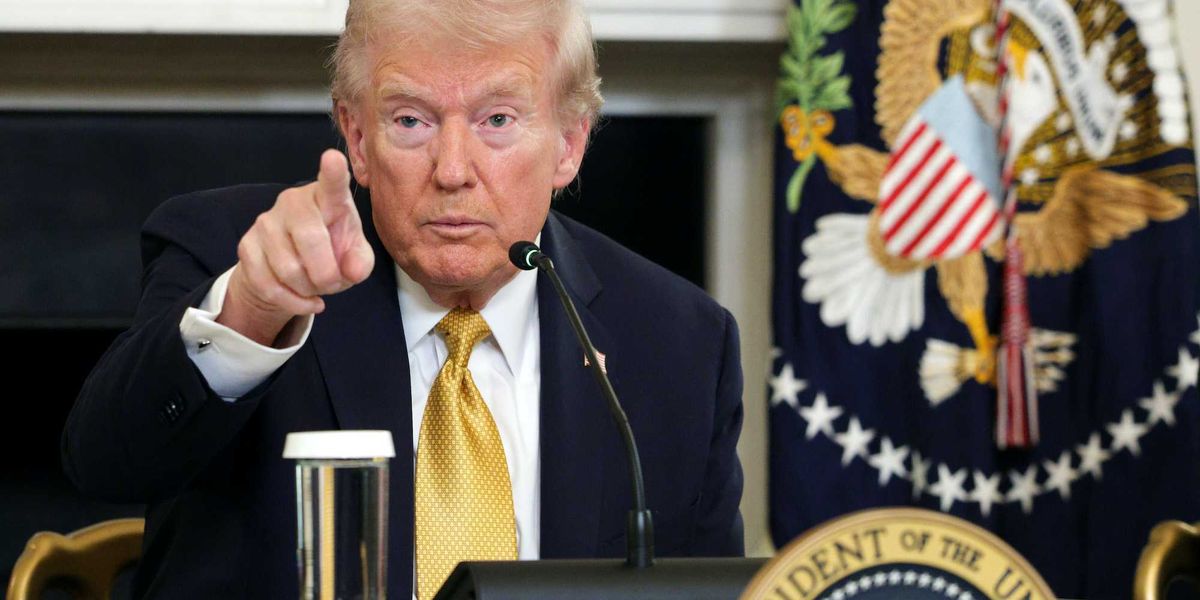
 The Blaze
Trump crushes 'obnoxious' reporter at White House briefing: 'It's always the same thing with you!'
Associated PressKey GOP senator says he has no objection to releasing video of strike that killed two survivors
Overview
Over 87 people have been killed in more than 20 military strikes against alleged drug traffickers in the Caribbean and off Venezuela since September.
Defense Secretary Pete Hegseth defended the Trump administration's military actions, vehemently denying accusations of issuing a "kill order" on survivors of a drug boat strike.
Legal experts and lawmakers question the rationale and legality of these strikes, particularly a second attack on survivors, raising concerns about potential war crimes.
Democratic Rep. Jim Himes expressed deep concern over a boat strike video, describing it as one of the most troubling scenes he has witnessed in public service.
President Trump and Democrats are both willing to release the controversial boat strike video, with calls intensifying for its public disclosure amidst ongoing scrutiny.
Analysis
Center-leaning sources cover this story neutrally, presenting a balanced account of the controversy surrounding the September boat strikes. They meticulously report on the differing perspectives of Rep. Jim Himes, Sen. Tom Cotton, and Defense Secretary Pete Hegseth. The reporting focuses on factual details, legal questions, and calls for transparency, allowing readers to form their own conclusions.
FAQ
The Trump administration claims it has the legal authority to target alleged drug boats in the Caribbean and Eastern Pacific based on a memo from the Office of Legal Counsel, arguing the strikes are permissible under the premise that drug cartels fund violence and pose an imminent threat to Americans.
Lawmakers are demanding the release of the video due to concerns about the legality and morality of the strikes, particularly a follow-up strike on survivors which raises fears of potential war crimes and extrajudicial killings, fueling bipartisan calls for transparency.
International law experts argue the strikes violate fundamental principles because armed conflict rules do not justify killing individuals who are no longer engaged in combat or able to defend themselves, labeling such attacks potentially as illegal extrajudicial killings and war crimes.
Yes, Colombian President Gustavo Petro claimed some killed in the strikes may have been Colombian fishermen, which was disputed by the U.S. White House, although U.S. officials acknowledged that Colombians were on at least one of the boats involved in the strikes.
Defense Secretary Pete Hegseth has defended the Trump administration's military actions, strongly denying accusations that the military issued a 'kill order' on survivors of the drug boat strikes.