Preservationists Sue Trump Administration Over White House Ballroom Demolition, Citing Bypassed Reviews
Preservationists are suing President Trump to halt White House ballroom construction, alleging demolition began without required federal reviews and congressional approval, violating preservation laws.
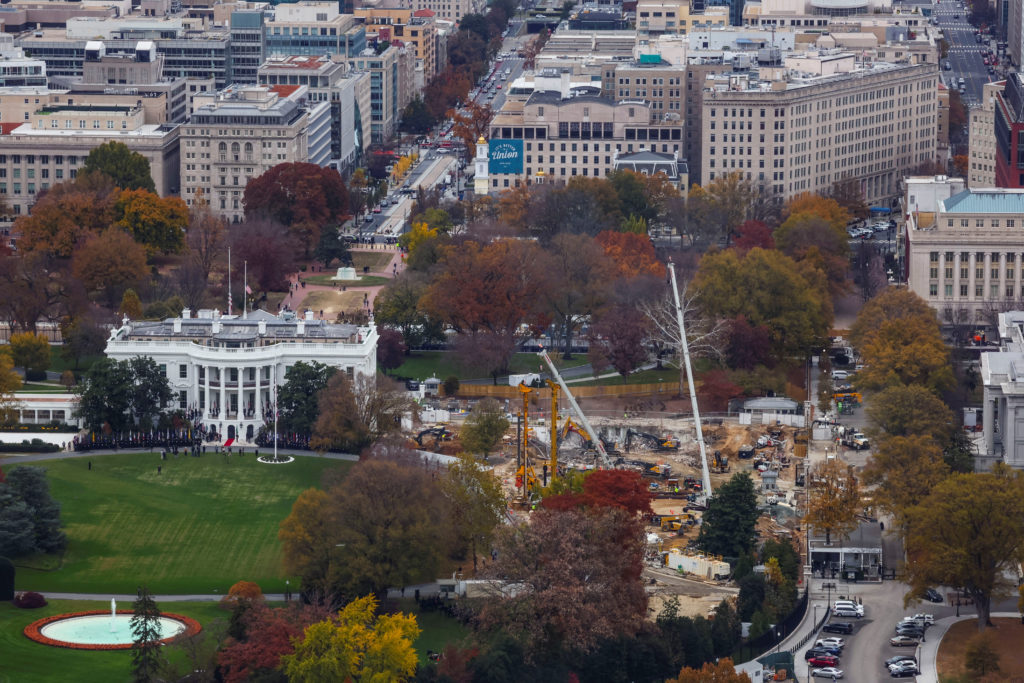
 PBS NewsHour
Preservationists sue Trump for ballroom project reviews and congressional approval
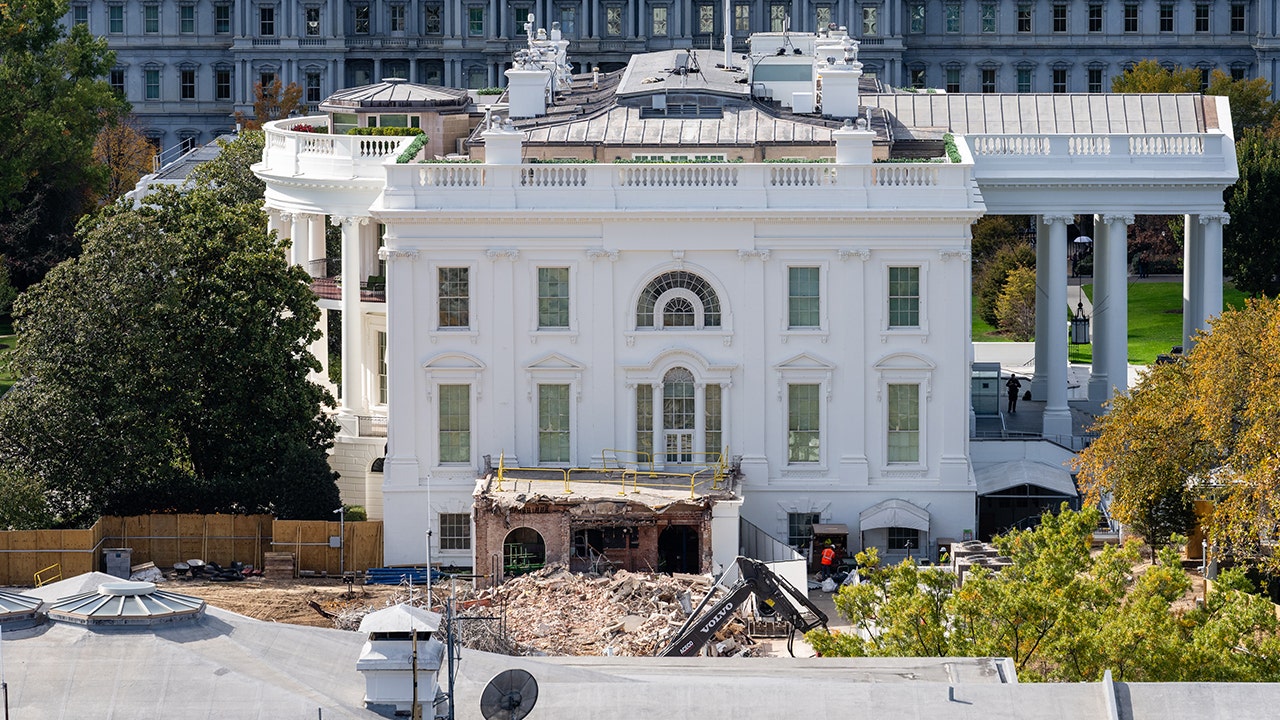
 FOX News
Preservation group sues Trump administration over White House ballroom project
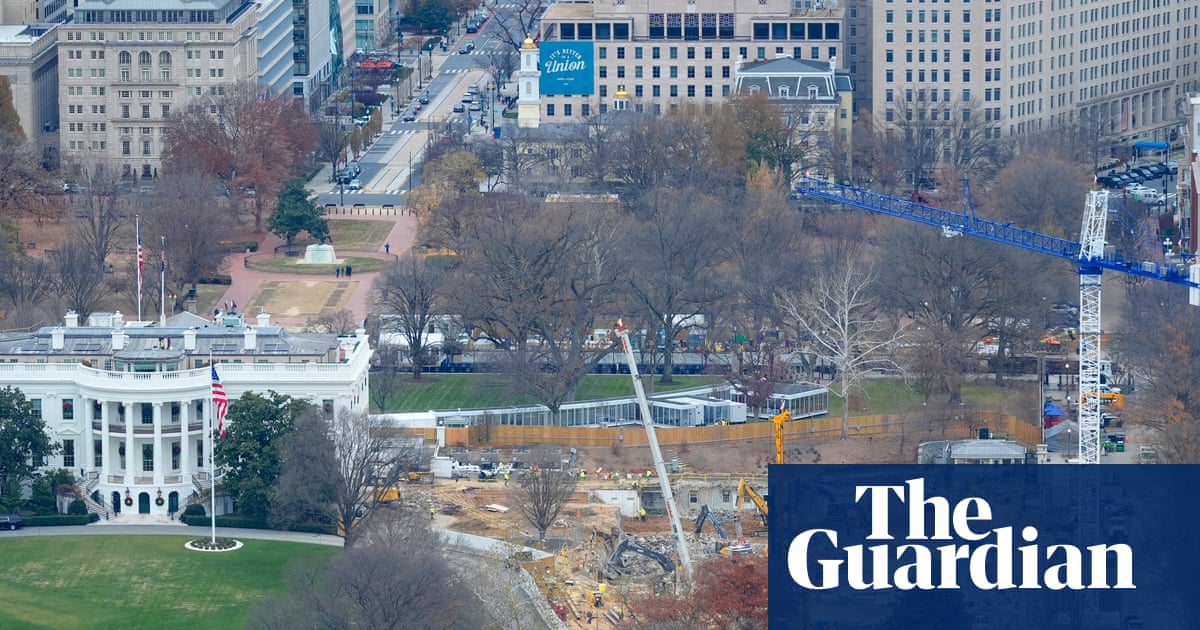
 The Guardian
Trump sued by preservation group over $300m White House ballroom project

 New York Sun
Preservationists Sue Trump Over White House Ballroom Project
Overview
The National Trust for Historic Preservation and other groups have filed lawsuits against President Trump, seeking to halt the construction of a new White House ballroom.
The lawsuits allege demolition commenced on the White House ballroom without required federal reviews or congressional approval, bypassing established building practices and violating preservation laws.
Preservationists claim their request for a construction pause to complete legal reviews was ignored, prompting the lawsuit after demolition work on the ballroom had already begun.
Critics, including architectural communities, have raised concerns about the rushed construction timeline and the absence of proper public review processes for the controversial project.
The White House asserts President Trump's legal authority to modernize the residence, arguing that plans were not required to be submitted to the National Capital Planning Commission.
Analysis
Center-leaning sources cover the story neutrally by presenting a balanced account of the lawsuit filed against President Trump regarding the White House ballroom project. They detail the National Trust for Historic Preservation's legal arguments and simultaneously include the White House's defense, offering a comprehensive view of the dispute without taking a side.
FAQ
They say the Administration failed to complete required federal historic-preservation reviews under the National Historic Preservation Act (NHPA) and did not seek review or approval from the National Capital Planning Commission (NCPC) and other local review bodies, procedures typically used for major alterations to historically significant federal properties.
The plaintiffs (including the National Trust for Historic Preservation) are asking a court to halt demolition and construction until required reviews and approvals are completed, arguing the work is unlawful because it proceeded without statutorily mandated review and public process and thus violates preservation laws.
The White House has defended the project, asserting the President has authority to modernize the residence and contending plans were not required to be submitted to the NCPC or undergo the typical review process.
The lead plaintiffs include the National Trust for Historic Preservation and other preservation organizations; they claim organizational and public interest standing based on their missions to protect historic resources and the alleged procedural injuries from being denied review opportunities.
If granted, demolition and construction would be paused until required reviews and any necessary approvals are completed, which could delay the project, impose changes to plans to conform with preservation requirements, or result in legal rulings limiting the Administration's ability to proceed without review.