Supreme Court Clears Path for Louisiana Redistricting After Voting Rights Ruling
High court expedited finalization of its April 29 decision on May 4, allowing Louisiana to redraw a map that could reduce Black representation before November.
 NBC News
Supreme Court says Louisiana redistricting ruling can go into effect immediately

 USA TODAY
Supreme Court issues new emergency voting rights ruling that boosts GOP

 CNN
CNNSupreme Court justices spar over Louisiana’s effort to speed up elimination of majority-Black congressional district | CNN Politics
 Roll Call
Louisiana election delay sparks flurry of court action

 NPR
NPRHow the SCOTUS voting rights ruling could affect Congress, according to Eric Holder
Overview
The Supreme Court on May 4 allowed its April 29 voting-rights ruling to take effect immediately so Louisiana can begin redrawing its congressional map.
The April 29 decision limited a key provision of the Voting Rights Act and found Louisiana's 2024 map an unconstitutional racial gerrymander.
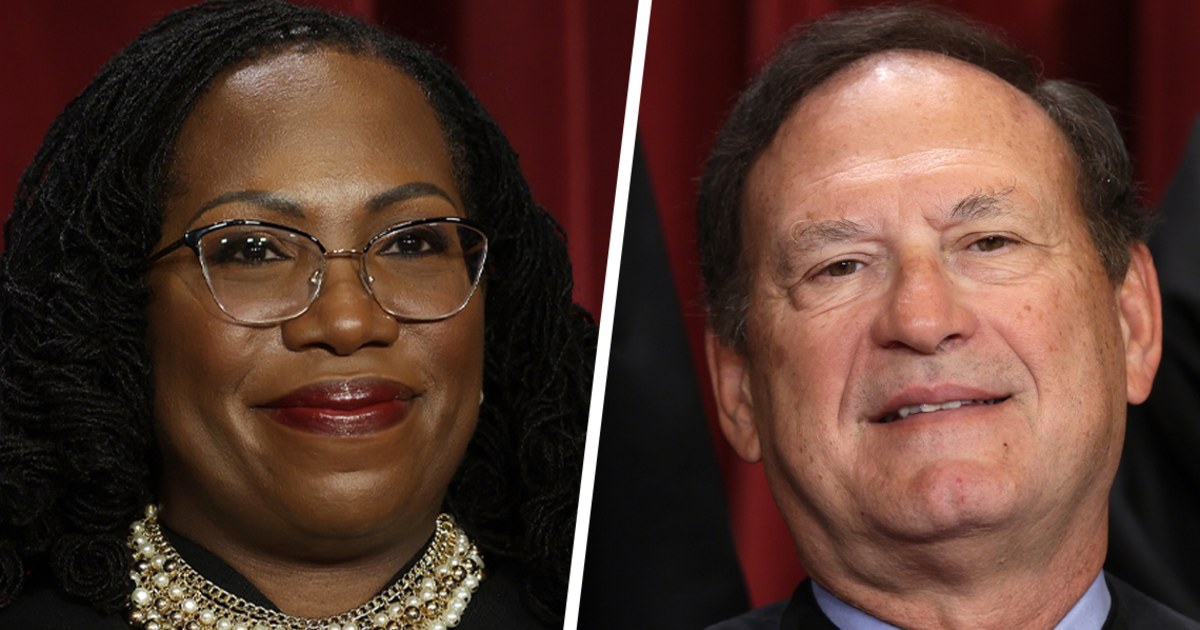
Justice Ketanji Brown Jackson dissented from the court's decision to expedite finalization, saying it risks appearing partial, while Justice Samuel Alito and two conservatives defended the move.
The current map includes two majority-Black districts held by Democrats and four Republican seats, and officials suspended a May 16 House primary so the legislature can redraw districts.
Lower courts ordered the state to explain plans within three days after the Supreme Court finalizes its decision, and litigation over Gov. Jeff Landry's suspension of the primary is ongoing.
Analysis
Center-leaning sources frame the ruling as an urgent threat to Black representation, foregrounding Democratic responses and legal remedies. Editorial choices—selecting Eric Holder and NDRC analysis, emphasizing "emergency" consequences and suspended primaries, and highlighting GOP-led redistricting—prioritize minority-impact narratives while relying on source quotes for specific claims.