Pompeii Uses AI to Reconstruct Face of AD 79 Victim
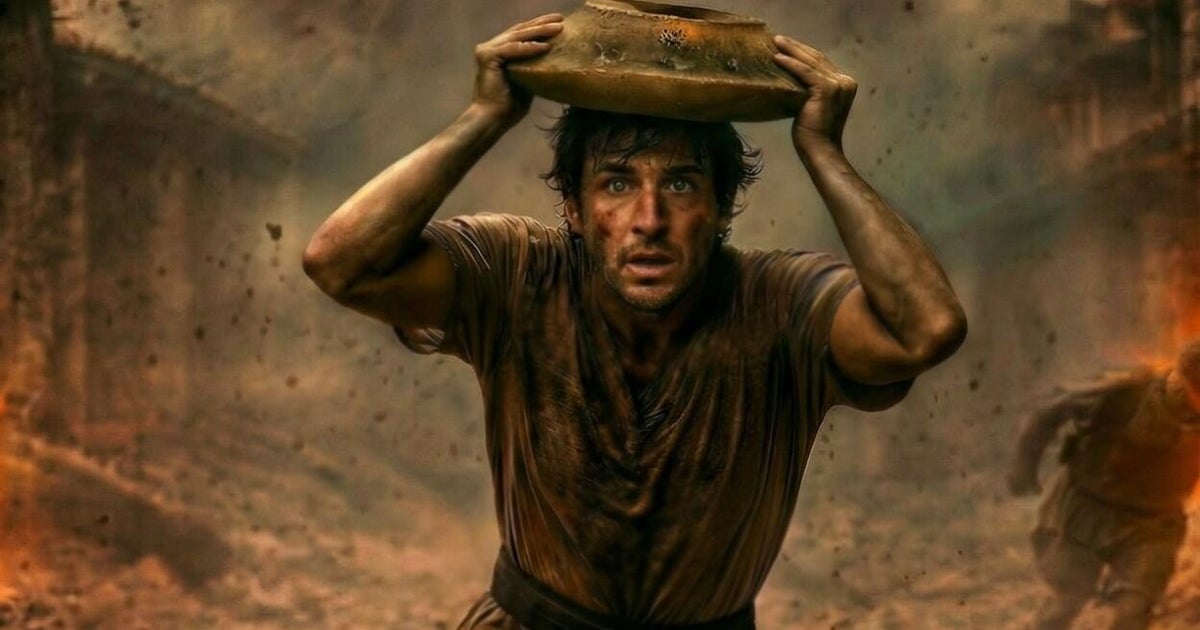
AI and photo-editing translated skeletal and excavation data into a digital portrait of a man found near the Porta Stabia necropolis, Pompeii Archaeological Park said.

 New York Post
Pompeii researchers use AI to create stunning digital portrait of victim who tried to escape eruption

 Washington Times
Archaeologists at Pompeii use AI to reconstruct the face of a man killed in the volcano’s eruption
 CBS News
Archaeologists at Pompeii use AI to reveal the face of a victim trying to flee the Mount Vesuvius eruption
 ABC News
Archaeologists at Pompeii use artificial intelligence to reveal face of one victim
 Associated Press
Archaeologists at Pompeii use AI to reconstruct the face of a man killed in the volcano's eruption
Overview
Archaeologists at the Pompeii Archaeological Park, in collaboration with the University of Padua, used artificial intelligence and photo-editing to digitally reconstruct the face of a man killed in the AD 79 eruption of Mount Vesuvius.
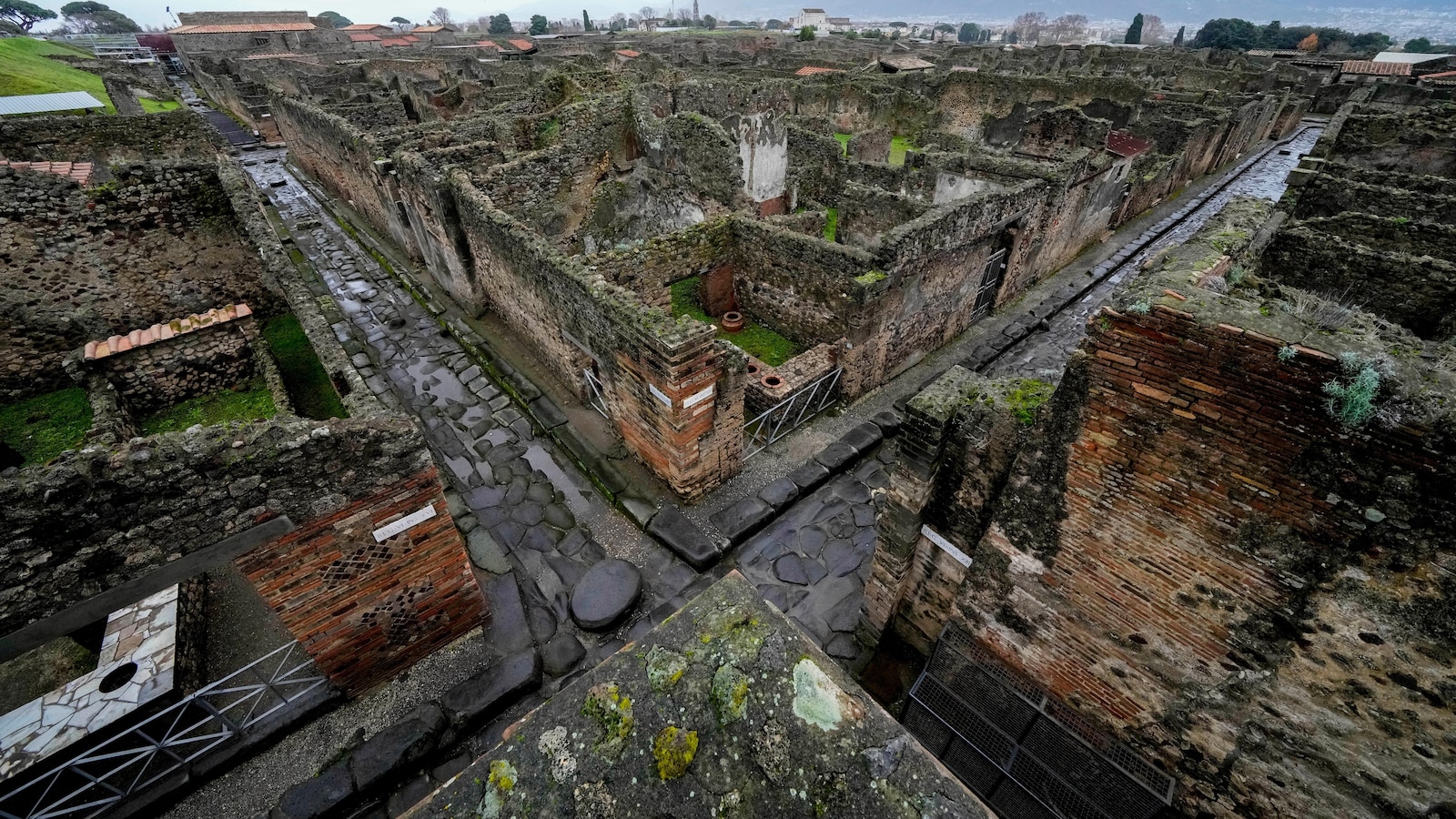
The reconstruction is based on archaeological survey data from excavations near the Porta Stabia necropolis, just outside the walls of the ancient city, which was buried under ash and pumice when Vesuvius erupted nearly 2,000 years ago.
Pompeii park director Gabriel Zuchtriegel said the vastness of archaeological data requires AI to adequately protect and enhance them and that, if used well, AI can contribute to a renewal of classical studies.
Archaeologists said the man was one of two victims found attempting to flee toward the coast and was discovered holding a terracotta mortar and carrying an oil lamp, a small iron ring and 10 bronze coins.
Researchers said the project aims to make archaeological research more accessible and emotionally engaging while maintaining a scientific foundation, and that innovative methodologies can give new historical perspectives.
Analysis
Center-leaning sources present the AI reconstruction positively, emphasizing innovation and emotional engagement while omitting critical perspectives on methodological limits or ethical concerns. Language choices like "new way" and "remarkable detail" and selective quotes from project leads foreground benefits; structural choices prioritize descriptive artifacts and visuals over independent expert skepticism.