Blue Origin Pauses New Shepard Flights to Focus on Crewed Lunar Lander
Company announced Jan. 30 it will suspend New Shepard suborbital missions for no less than two years to redirect resources to New Glenn and a crewed lunar lander.


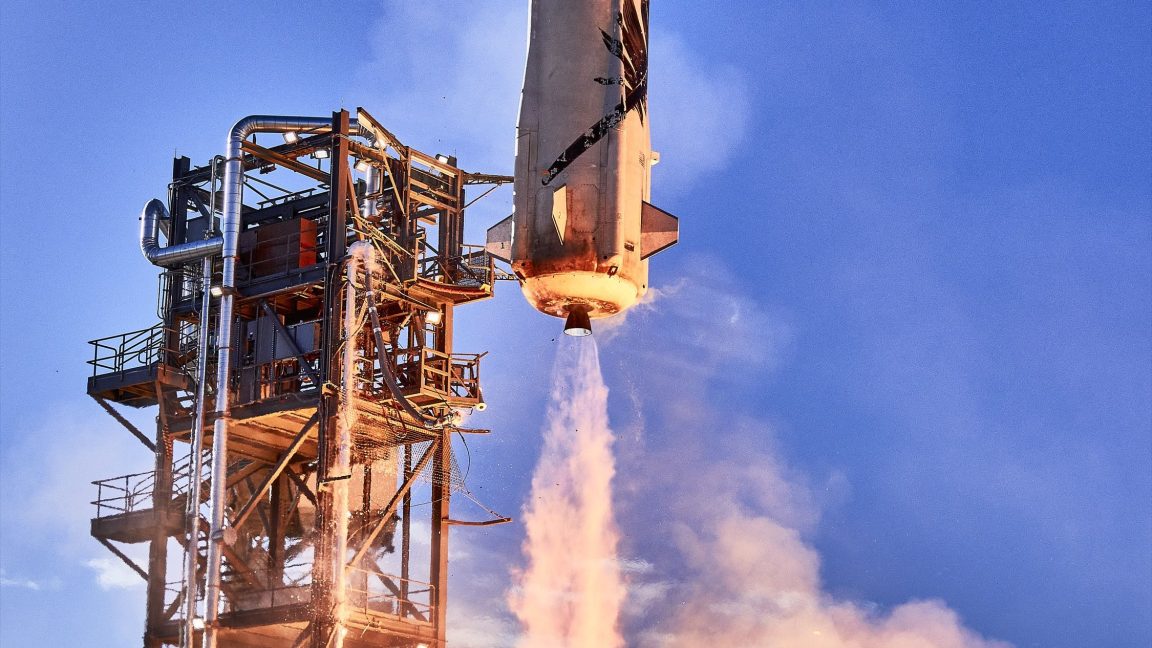




Overview
Dave Limp, Blue Origin chief executive, wrote Jan. 30 that the company will pause New Shepard suborbital flights for no less than two years to prioritize New Glenn and a crewed lunar lander.
Company records show New Shepard completed 38 launches and carried 98 people and more than 200 research payloads since April 2015, making it Blue Origin’s longest-running program.
Phil Joyce, senior vice president for New Shepard, said in a company-wide email that the team should be proud and the company will support employees finding roles within Lunar and New Glenn programs.
Company records show more than 500 people spend part or all of their time working on New Shepard, underscoring the program’s workforce footprint inside Blue Origin.
Company records show Blue Origin holds a $3.4 billion NASA contract for a human landing system, a commitment the company cited as a reason for shifting resources to lunar work.
Analysis
Center-leaning sources present the report neutrally: they stick to facts, include company statements, technical context, safety history, and political context without loaded language. For example, they quote Blue Origin’s statement, note New Shepard’s flight records and past 2022 anomaly, and avoid evaluative or partisan framing.
FAQ
Blue Origin is pausing New Shepard flights for no less than two years to redirect resources to accelerate development of New Glenn and a crewed lunar lander program.
New Shepard has completed 38 launches since April 2015, carried 98 people above the Kármán line, and launched over 200 research payloads.
Blue Origin holds a $3.4 billion NASA contract for a human landing system, which the company cited as a key reason for prioritizing lunar work.
More than 500 people spend part or all of their time working on New Shepard, and the company will support them finding roles in Lunar and New Glenn programs.
