Historic Torre dei Conti Partially Collapses, Injuring Worker
Rome's 13th-century Torre dei Conti, built by Pope Innocent III, recently suffered a partial collapse, causing injury to a worker and highlighting its history of earthquake damage.

 USA TODAY
'Trying to get him out alive': Tower collapses in Rome trapping worker, injuring others
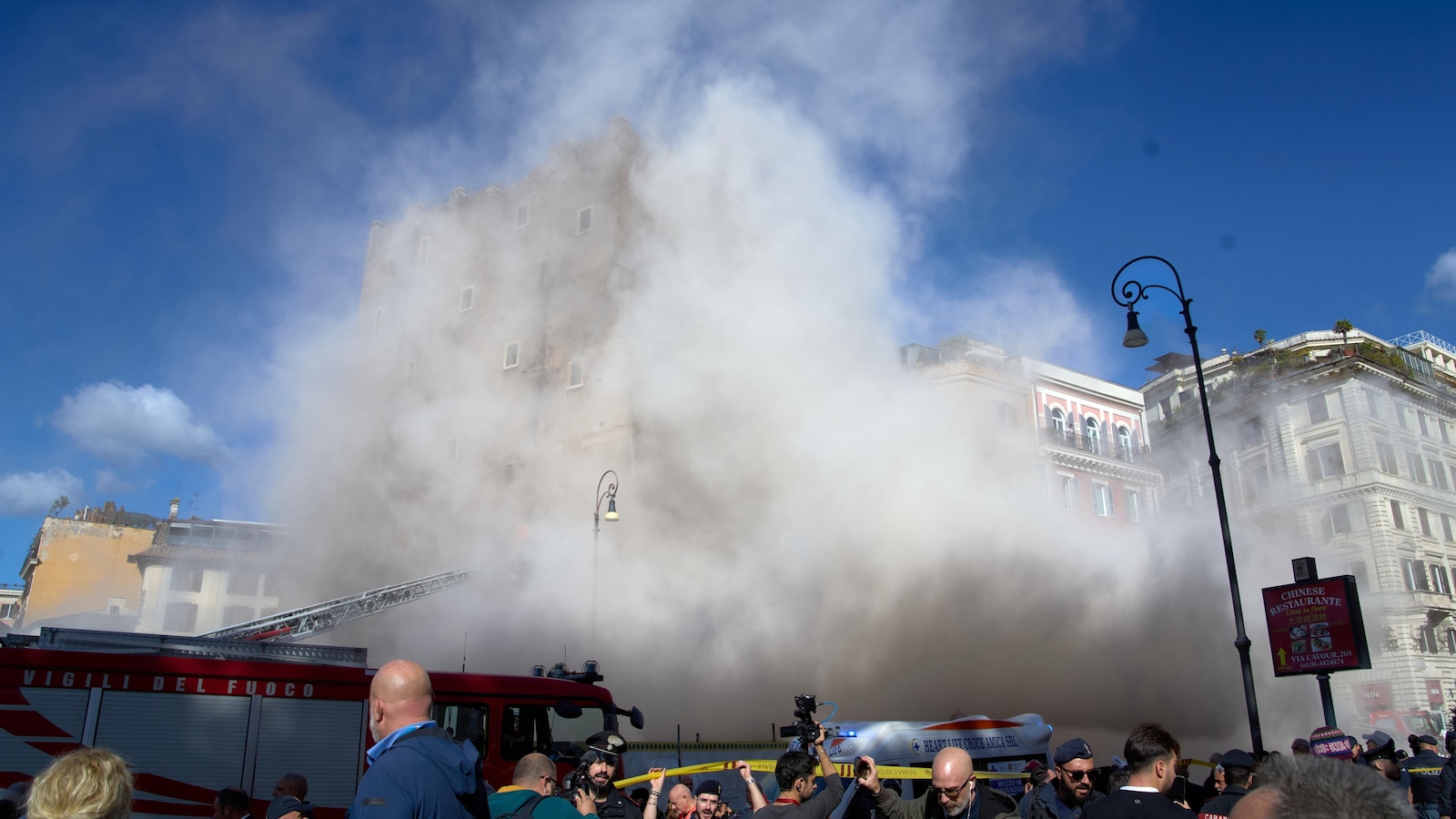
 ABC News
A Rome medieval tower partially collapses, badly injuring a worker
 The Guardian
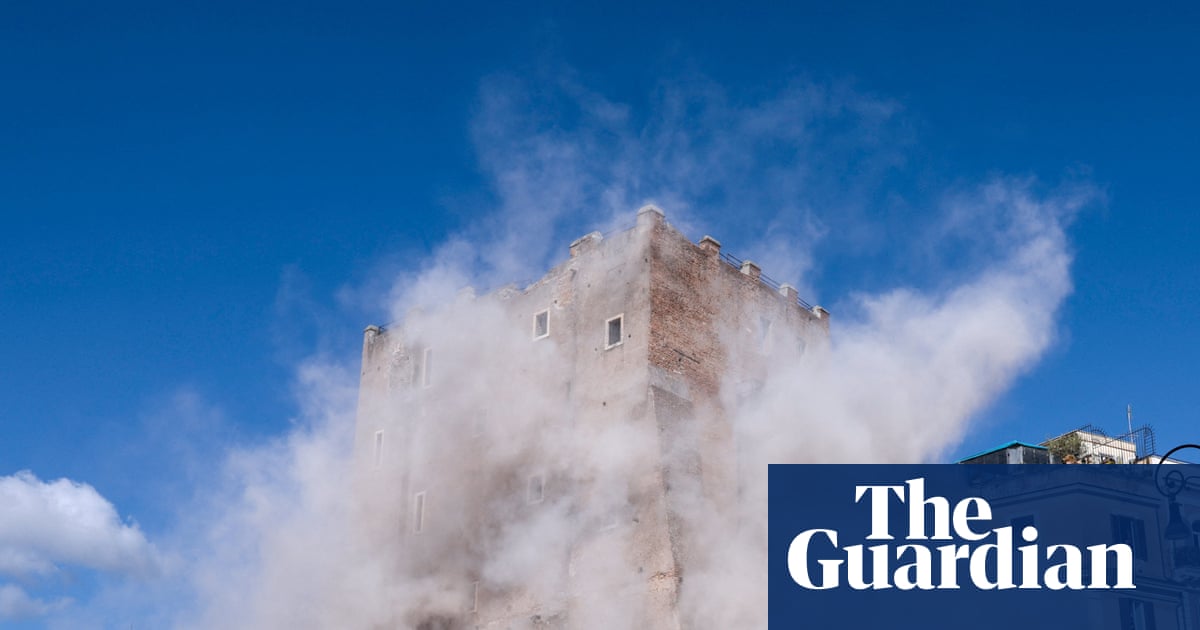
Rome: worker trapped and one injured after part of medieval tower collapses

 CNN
CNNMedieval tower partially collapses in Rome, badly injuring one worker and trapping another
Overview
The Torre dei Conti, a significant 13th-century structure in Rome, was originally commissioned by Pope Innocent III to serve as a residence for his family.
This historic tower has a documented past of sustaining damage from various earthquakes over centuries, impacting its structural integrity.
Recently, the Torre dei Conti experienced a partial collapse, which resulted in an injury to a worker present at the site during the incident.
The collapse underscores the vulnerability of ancient structures, especially those with a history of seismic stress, requiring ongoing preservation efforts.
The incident draws attention to the challenges of maintaining historical landmarks that have endured centuries of natural wear and tear and past disasters.
Analysis
Center-leaning sources frame this story by emphasizing the dramatic human element and the historical significance of the damaged structure. They use emotionally charged language to describe the event, focusing on the peril of the trapped worker and the "catastrophe" of the collapse. This approach highlights the urgency of rescue efforts and the importance of the medieval tower.
FAQ
The Torre dei Conti, built in the 13th century by Pope Innocent III for his family, the Conti di Segni, served as a fortified residence and a symbol of political power and prestige in medieval Rome. Originally about 60 meters tall, it was notable for its size and was admired by figures such as Francesco Petrarch.
The recent partial collapse of the Torre dei Conti is linked to its long history of structural vulnerability due to multiple earthquake damages over centuries and ongoing natural wear. The tower was already undergoing restoration and consolidation work when the collapse occurred, highlighting the challenges in preserving such ancient structures.
The Torre dei Conti is undergoing extensive restoration and consolidation financed through NRRP (Pnrr) funds, aiming to stabilize the structure, restore damaged parts, install new electrical and lighting systems, remove architectural barriers, and create museum exhibitions and cultural spaces. The project is planned to be completed by the second quarter of 2026.
The original fortified nucleus was expanded in 1203 likely under Pope Innocent III for the Conti family. The design is attributed to the architect Marchionne Aretino, who also worked on other significant medieval buildings. Some sources mention Richard Conti, brother of Pope Innocent III, as the commissioner of the tower.
The Torre dei Conti has suffered damages particularly from earthquakes, especially a severe earthquake in 1349 that made it uninhabitable. Parts of the tower were later restored and reinforced in the 17th century. Additional damage also occurred over time due to weathering and urban development.