Zohran Mamdani's New York Mayoral Victory Ignites Hope for Political Change in Uganda
Zohran Mamdani's New York mayoral win inspires Ugandans and their opposition leader, sparking hope for political change and increased activism within the country.



Overview
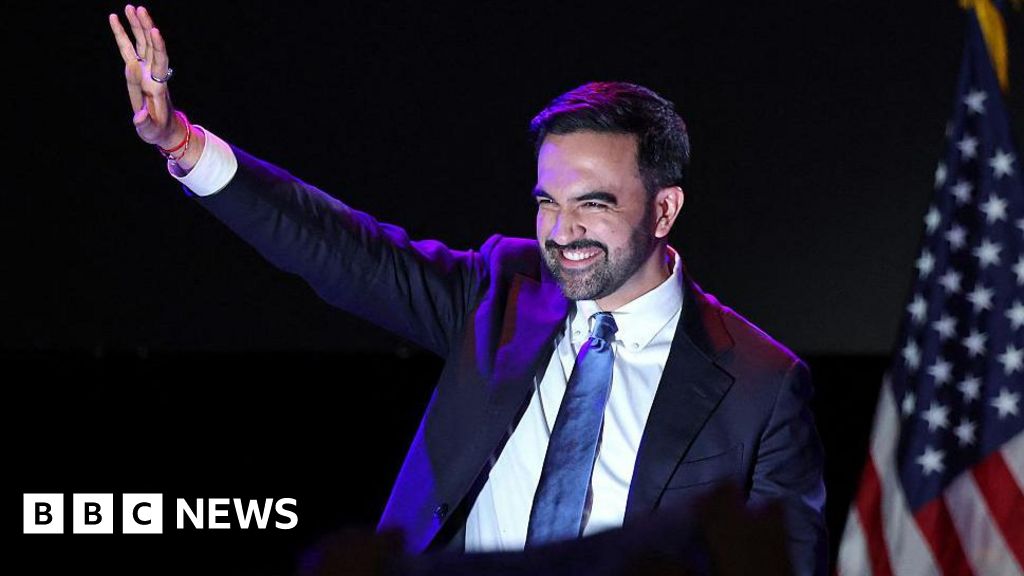
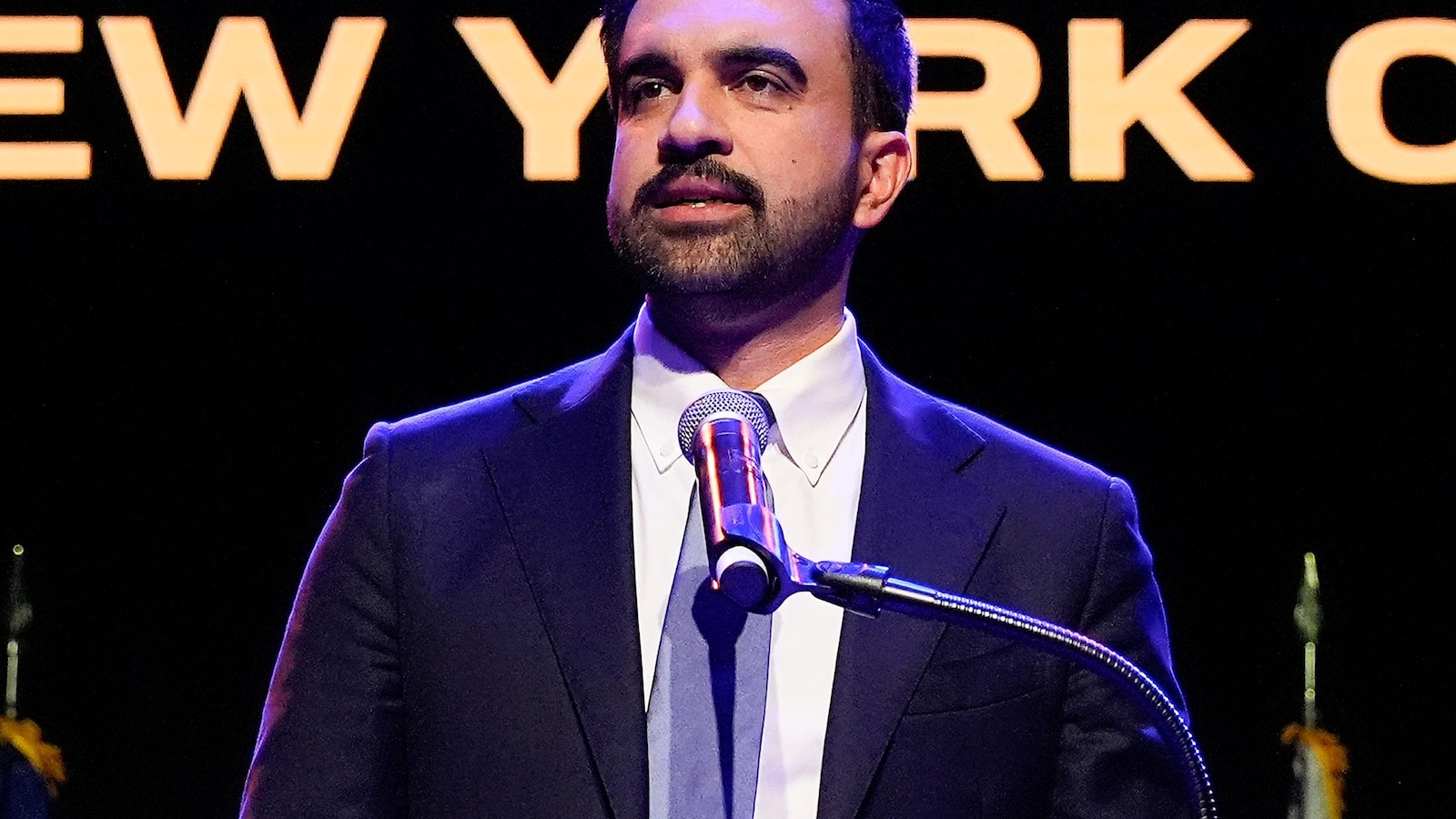
Zohran Mamdani secured a victory in the New York mayoral race, a significant political achievement that has garnered international attention and resonance.
His success has particularly resonated with Ugandans, who view his win as a powerful symbol of what is possible through political engagement and determination.
A prominent Ugandan opposition leader has publicly expressed inspiration from Mamdani's victory, highlighting its potential to galvanize local political movements.
The win is fostering a renewed sense of hope and activism among Ugandans, encouraging them to pursue political change within their own nation.
Mamdani's heritage and political success are seen as a beacon, inspiring citizens in Uganda to believe in the possibility of achieving similar transformative outcomes.
Analysis
Center-leaning sources neutrally cover the story of Ugandan pride in Zohran Mamdani's election. They focus on reporting the sentiments of various individuals, presenting diverse voices from Uganda and other African nations expressing inspiration and connection. The coverage avoids loaded language or editorializing, instead allowing the reported reactions to drive the narrative.
FAQ
Zohran Mamdani is the mayor-elect of New York City, notable for being the youngest mayor in over a century, the city's first Muslim, South Asian, and African-born leader. He was born in Kampala, Uganda, and moved to New York City at age 7.
Mamdani's platform includes free city buses, a rent freeze in rent-stabilized housing, city-operated grocery stores to reduce prices, universal child care, construction of 200,000 affordable housing units, public safety reform, and a $30 minimum wage by 2030, funded by tax increases on corporations and high earners.
Mamdani's win has inspired Ugandans and their opposition leader by symbolizing the potential for political change through grassroots activism, fostering renewed hope and encouraging increased political engagement within Uganda.
Critics have called some of Mamdani's policies unrealistic, and his past comments on policing and support for Gaza have sparked national controversy and drawn criticism, particularly from some Jewish leaders and voters.
Mamdani's campaign was powered by an energetic grassroots movement that prioritized voter engagement, knocking on over 2 million doors and making more than 3 million phone calls, reflecting strong multicultural and multilingual community participation.