U.S. Southern Command Sees Leadership Change as Admiral Holsey Retires Early Amidst Clashes
U.S. Navy admirals transferred command for Latin and South American operations. Admiral Holsey retired early from U.S. Southern Command after clashes, amidst a U.S. buildup near Venezuela.

 CNN
CNNCommander in charge of US military operations in the Caribbean retires after clashes with Hegseth over boat strikes | Politics
 CBS News
Commander overseeing U.S. forces in Caribbean relinquishes command early amid U.S. buildup near Venezuela
 Associated Press
Admiral hands over leadership of command overseeing the Trump administration's boat strikes
Overview
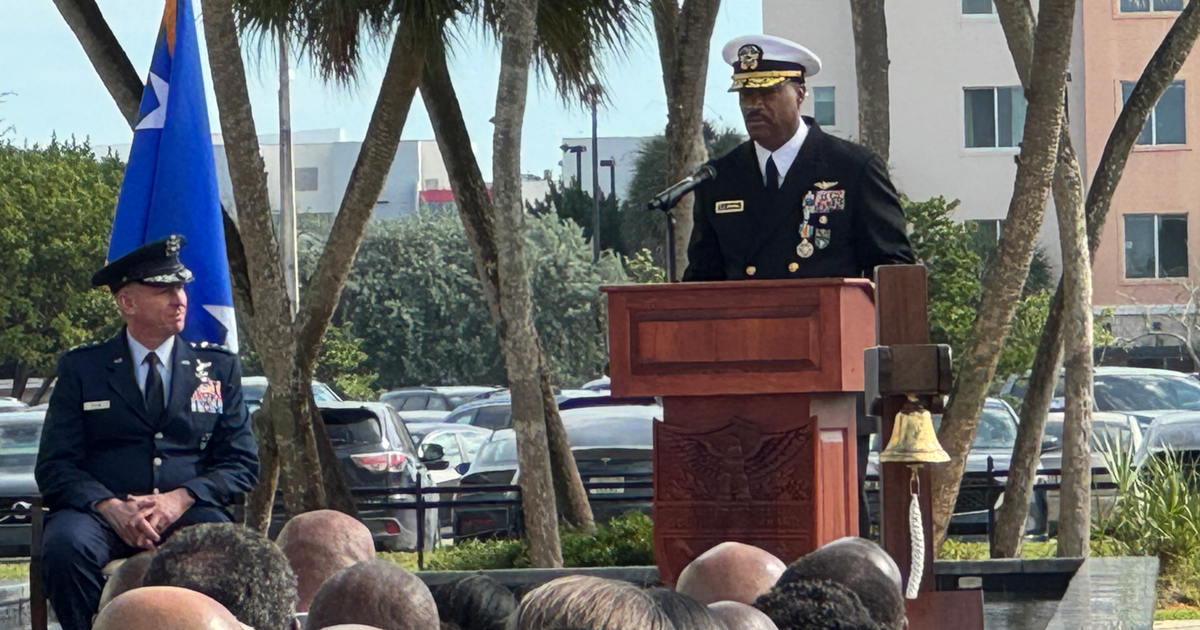
Two U.S. Navy admirals completed a command handoff on Friday, overseeing military operations across Latin America and South America, marking a significant leadership transition in the region.
Admiral Holsey announced his early retirement in October, less than a year into his command as the head of U.S. Southern Command, amidst ongoing internal disputes.
His decision to retire stemmed from clashes with Hegseth, specifically concerning disagreements over boat strikes, which led to his premature departure from the leadership role.
The retirement occurred as the U.S. was increasing its military presence and operations near Venezuela, adding a layer of geopolitical context to the command change.
The leadership transition at U.S. Southern Command highlights internal challenges and strategic shifts within the U.S. military's engagement in the broader South American region.
Analysis
Center-leaning sources frame this story by strongly implying Admiral Holsey's early retirement is linked to the Trump administration's controversial "deadly strikes" on alleged drug boats. They emphasize congressional scrutiny, questions of legality, and the high death toll, creating a narrative of accountability and potential fallout from aggressive tactics. The timing and lack of explicit reasons for his departure are highlighted.