U.S. and Allies Denounce Iran’s Vice Presidency At NPT Review
Iran was elected one of 34 vice presidents at the NPT Review Conference, prompting U.S., UAE and Australia objections amid prior IAEA non‑compliance findings and recent strikes on Iranian sites.
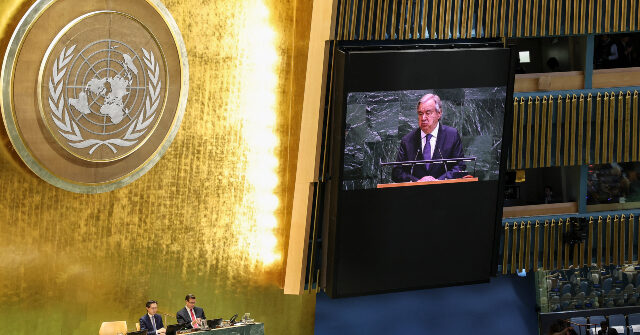
 Breitbart News
U.N. Gives Iran Seat on Nuclear Non-Proliferation Panel
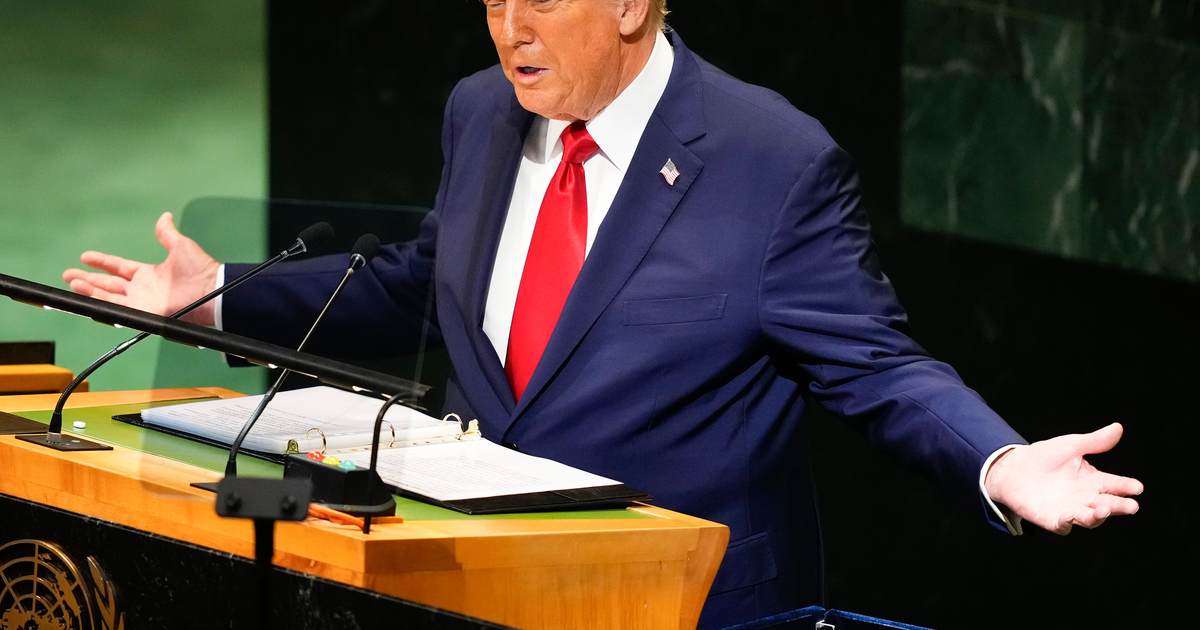
 Townhall
The UN Appoints Iran to Serve As a Vice President at Nuclear Non-Proliferation Review Conference
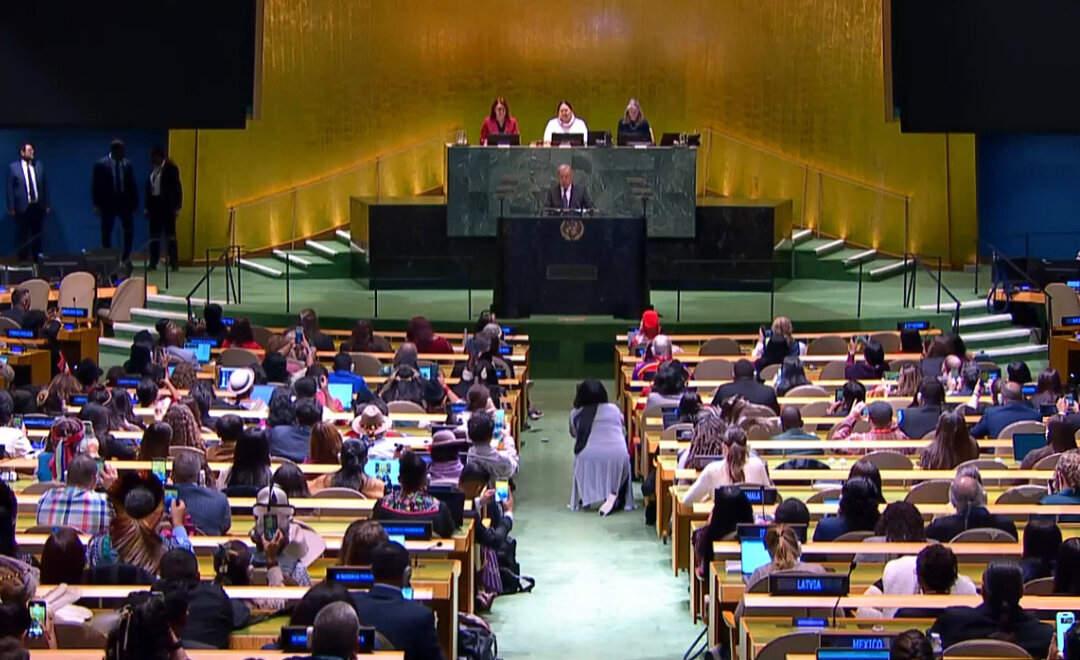
 Epoch Times
US Objects as UN Appoints Iran as Vice President of Nuclear Non-Proliferation Conference
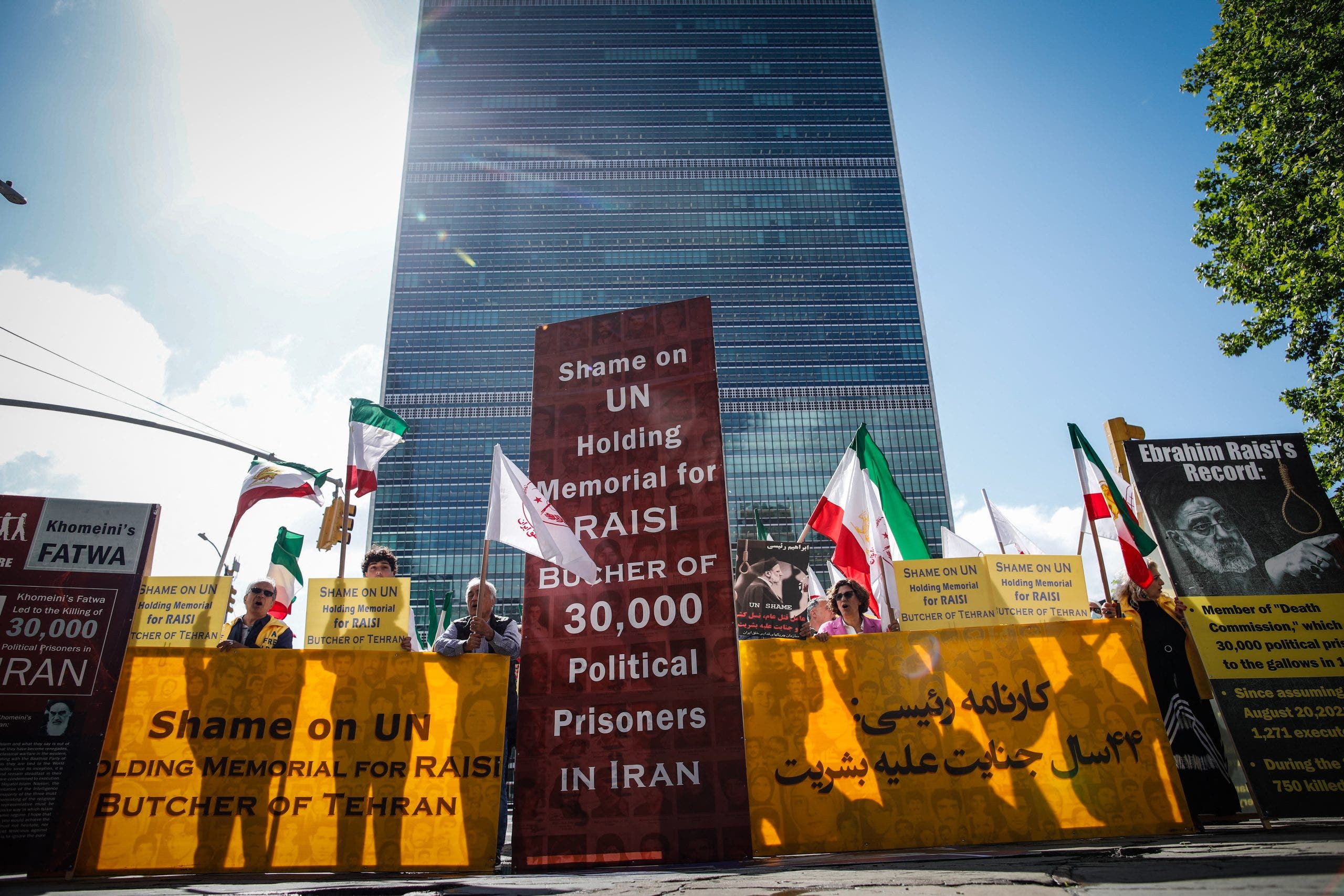
 FOX News
US condemns Iran’s leadership role at UN nuclear conference as ‘beyond shameful’

 ABC News
US and Iran clash over Tehran's nuclear program as review of atomic treaty begins at UN
Overview
Iran was elected as one of 34 vice presidents of the Nuclear Non‑Proliferation Treaty review conference on April 27 after nominations by the Non‑Aligned Movement, conference delegates said.
The monthlong review includes 191 treaty parties, convenes every five years to review the NPT that came into effect in 1970, and is scheduled to last until May 22, U.N. officials said.
U.S. Assistant Secretary Christopher Yeaw called Iran's seating "beyond shameful" and "an embarrassment to the credibility of this conference," and the United States was joined in objection by the United Arab Emirates and Australia, officials said.
The IAEA formally declared Iran in non‑compliance with its NPT obligations in June 2025, after which U.S. and Israeli airstrikes hit Iranian enrichment sites and the United States named a wider March campaign "Operation Epic Fury," according to officials.
U.N. spokesperson Stéphane Dujarric said member states elect leadership roles and urged delegates to focus on stopping the spread of nuclear weapons as the review conference continues.
Analysis
Center-leaning sources present a largely neutral account: editorial choices center attributed quotes from U.S. and Iranian officials and supply factual context (IAEA access, uranium enrichment). Loaded terms appear chiefly as sourced quotes (“contempt,” “baseless”) — source content, not reporter framing — and additional voices (Russia, U.N.) are included to balance coverage.