Russia Scales Back Victory Day Parade, Blaming Ukrainian Threats
Moscow's May 9 parade will exclude heavy military hardware and cadets after Russian officials cited Ukrainian drone and strike threats, and authorities plan communications restrictions and broadcasts.

 Hot Air
Putin Scales Back Military Parade, Seems Agreeable to a Ceasefire with Ukraine
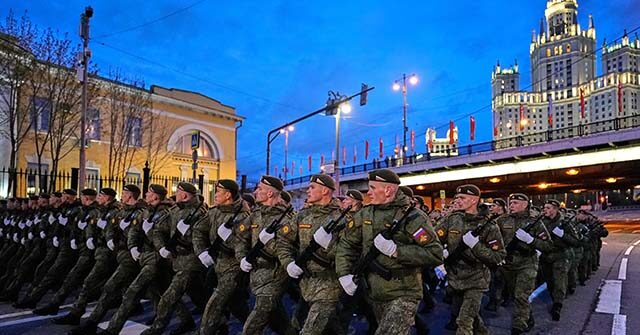
 Breitbart News
Russia Scales Back Victory Day Parade, Fearing Ukrainian Drone Strikes

 Daily Beast
Putin Forced to Make Humiliating Change to His Big Military Parade
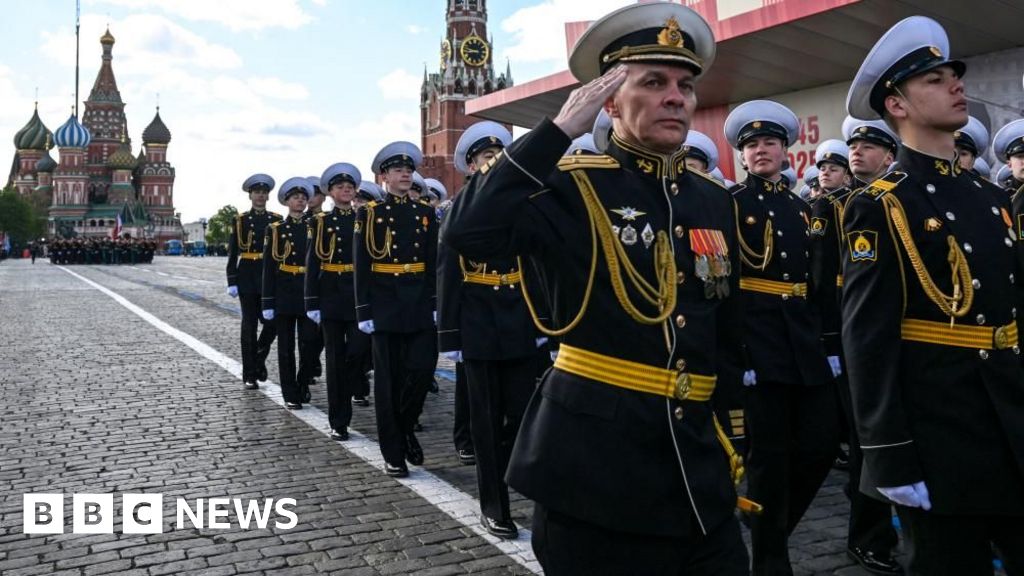
 BBC News
Russia scales back Moscow Victory Day parade, blaming threat from Ukraine
Overview
The Russian Defense Ministry said the May 9 Victory Day parade in Moscow will proceed without tanks, missiles or military equipment and will exclude cadets, citing the "current operational situation," and Kremlin spokesman Dmitry Peskov blamed "terrorist activity" from Ukraine.
The decision follows a recent increase in Ukrainian strikes deep inside Russia, including a reported drone strike near Perm about 1,500 kilometres from the Ukrainian border and repeated attacks on the Tuapse oil refinery, which was hit for the third time this month.
Kremlin spokesman Dmitry Peskov said "all measures are being taken to minimise the danger," while Ukrainian adviser Mykhailo Podoliak said "Nobody is attacking civilians and civilian infrastructure," according to the sources.
Last year's commemorations featured over 11,500 troops and more than 180 military vehicles, and this year's parade will mark the 81st anniversary of the defeat of Nazi Germany without the usual armoured columns, a first in nearly two decades.
Authorities have said the event will include a traditional fly-past and televised footage of troops "carrying out tasks in the special military operation zone," and reports said mobile internet restrictions would be imposed in Moscow on May 5, 7 and 9, while a presidential aide said Putin signalled readiness to declare a ceasefire for the holiday.
Analysis
Center-leaning sources frame the equipment omission as a sign of vulnerability and diminished propaganda value, emphasizing security and preservation rationales and expert interpretation. editorial framing appears through loaded terms, expert selection, and juxtaposition with past displays; direct statements—like the Kremlin blaming Ukraine—are presented as source content rather than editorial claims.