Global Energy Landscape Shifts: Data Center Investment Surpasses Oil, Driving Demand for Diverse Power Sources
Investment in data centers is projected to exceed oil supply spending this year, driving a significant surge in global electricity demand, necessitating diverse energy production and critical mineral supply chain expansion.



Overview
Investment in data centers is projected to reach $580 billion this year, surpassing investment in the oil supply, according to various reports.
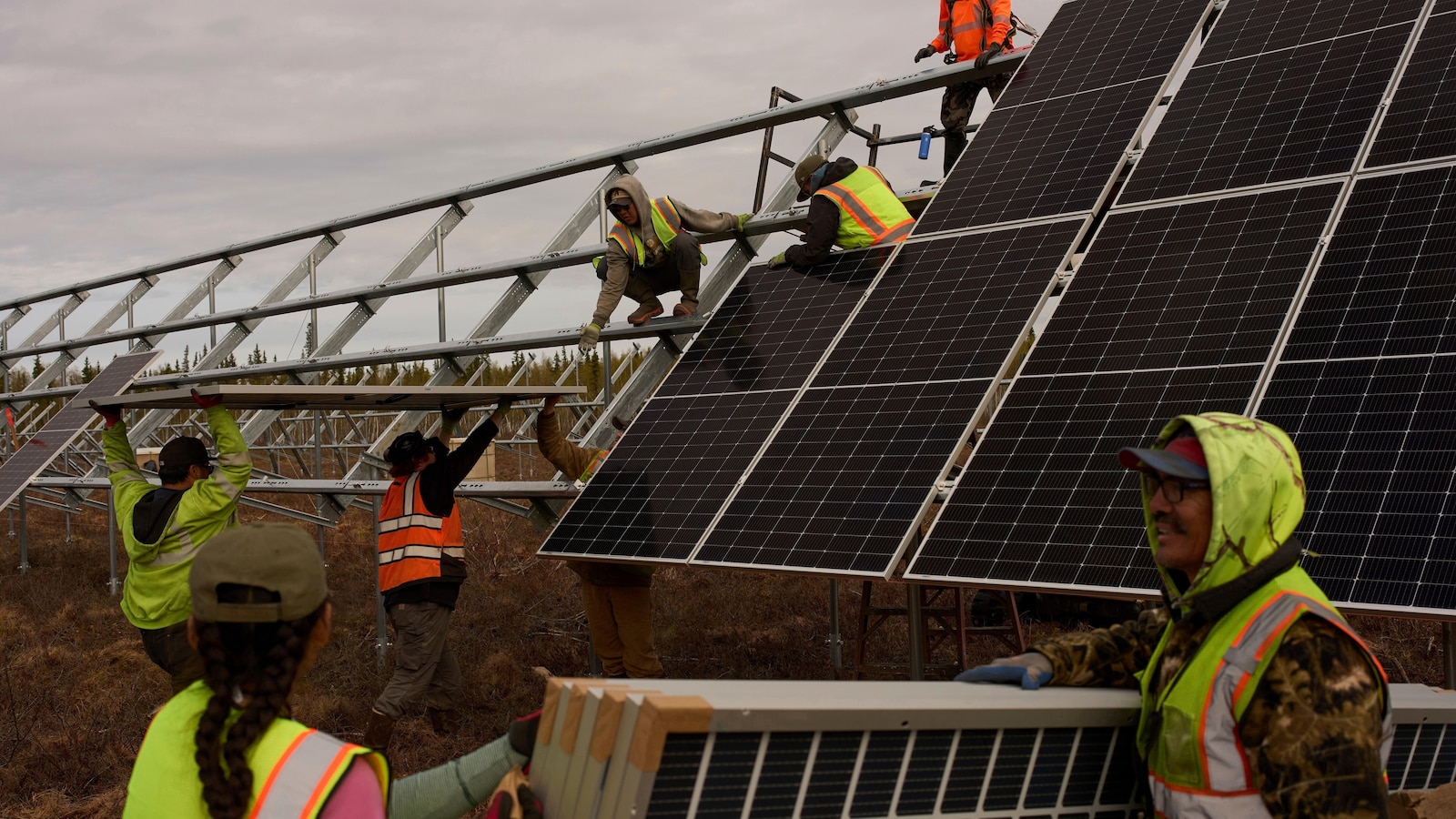
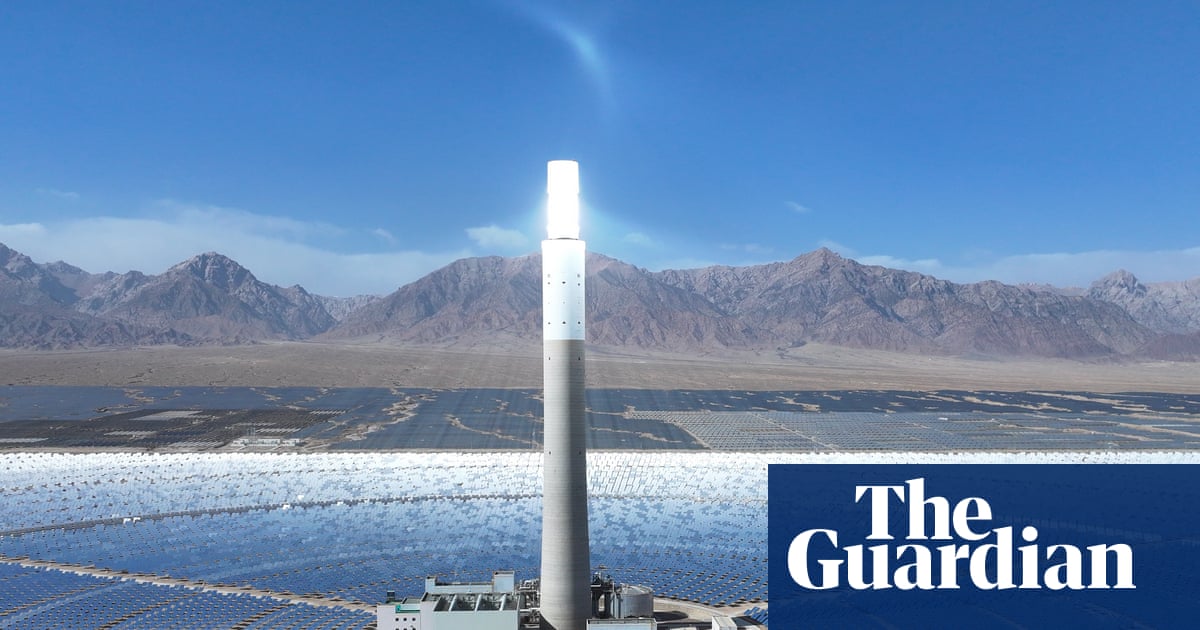
Electricity demand is expected to increase significantly compared to overall energy growth, highlighting the need for diverse and resilient energy production methods.
Many natural gas projects were approved in 2025 due to changes in U.S. policy, emphasizing the need for varied energy production to meet future demand.
Global nuclear power capacity is projected to increase significantly by 2035 after years of stagnation, contributing to diverse energy production strategies.
With 730 million people living without electricity, global reports stress the need for nations to diversify energy sources and expand critical mineral supply chains.
Analysis
Center-leaning sources cover this story neutrally by presenting the International Energy Agency's report findings factually and including diverse expert perspectives. They avoid loaded language and offer balanced context, such as contrasting U.S. policy shifts with global clean energy trends, demonstrating an objective approach to complex energy dynamics.
FAQ
Data center investment is surpassing oil supply investment due to the rapid growth of digital technologies, cloud computing, and artificial intelligence, which require massive amounts of electricity. This shift means that global electricity demand is rising faster than overall energy demand, increasing the need for diverse and resilient energy production methods.
Data centers are projected to consume about 536 terawatt-hours (TWh) in 2025, representing roughly 2% of global electricity consumption. By 2030, this could double to around 1,000 TWh, depending on efficiency improvements and the continued expansion of AI and computing workloads.
The main drivers are the expansion of artificial intelligence, cloud computing, and hyperscale data centers, which require powerful servers and GPUs that consume significantly more energy than traditional computing equipment. AI-driven workloads are expected to account for a growing share of data center power use, potentially reaching 35-50% by 2030.
The energy mix for data centers is expected to shift toward more clean power, with projections showing that by 2035, about 60% of data center electricity could come from renewable sources, up from about 40% today. However, fossil fuels, especially natural gas, will still play a significant role in meeting demand.
The surge in data center investment and electricity demand is driving increased need for critical minerals used in advanced computing hardware, renewable energy infrastructure, and battery storage. This is prompting calls for expanded and diversified supply chains to support both digital and clean energy transitions.
