1. Mapping the Media Landscape
Media bias isn't a new phenomenon, and it isn't inherently a bad thing. The real challenge is simply knowing where that bias lies and understanding how it shapes the stories you read.














To help you navigate this, we map out more than 100 major news sources based on their political leanings and factual reliability. We don't guess at these ratings ourselves. Instead, we use a composite of publicly available data from trusted, independent media watchdogs like Ad Fontes, AllSides, and Media Bias/Fact Check. These organizations constantly evaluate the media through rigorous independent audits and consumer surveys to keep the data fair and accurate.
2. Letting Technology Group the Stories
Unlike traditional publications, Pano doesn't have reporters in the field. Instead, we've built technology that constantly scans the media landscape, finds articles covering the exact same event, and groups them together into a single topic.
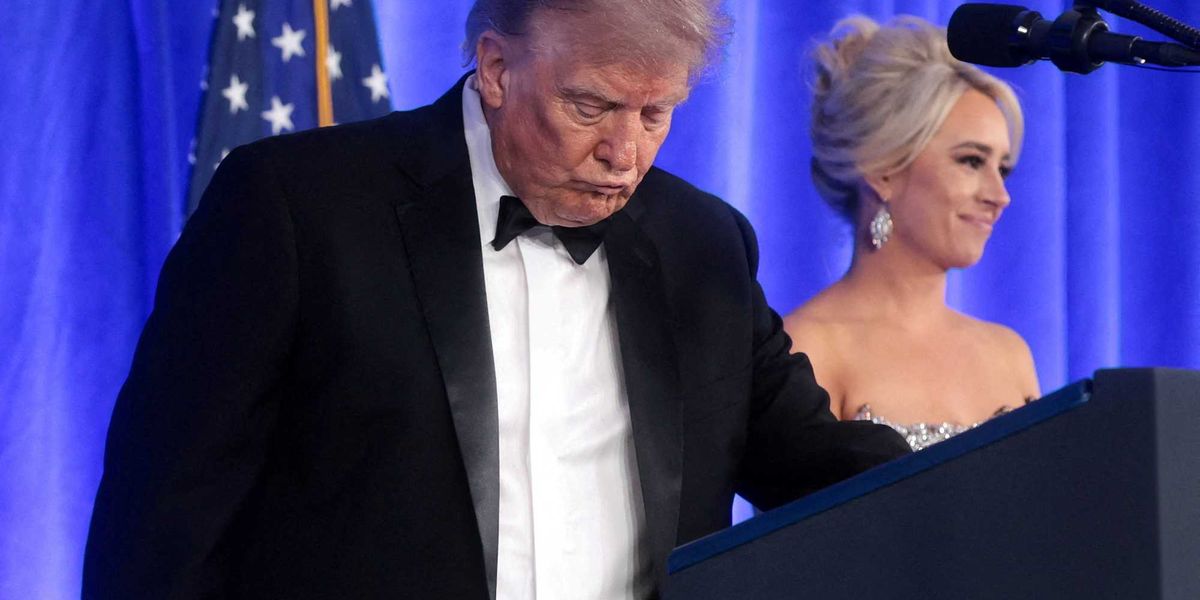 AlterNet
Trump expert exposes how his team shields him after latest 'bombed' speech
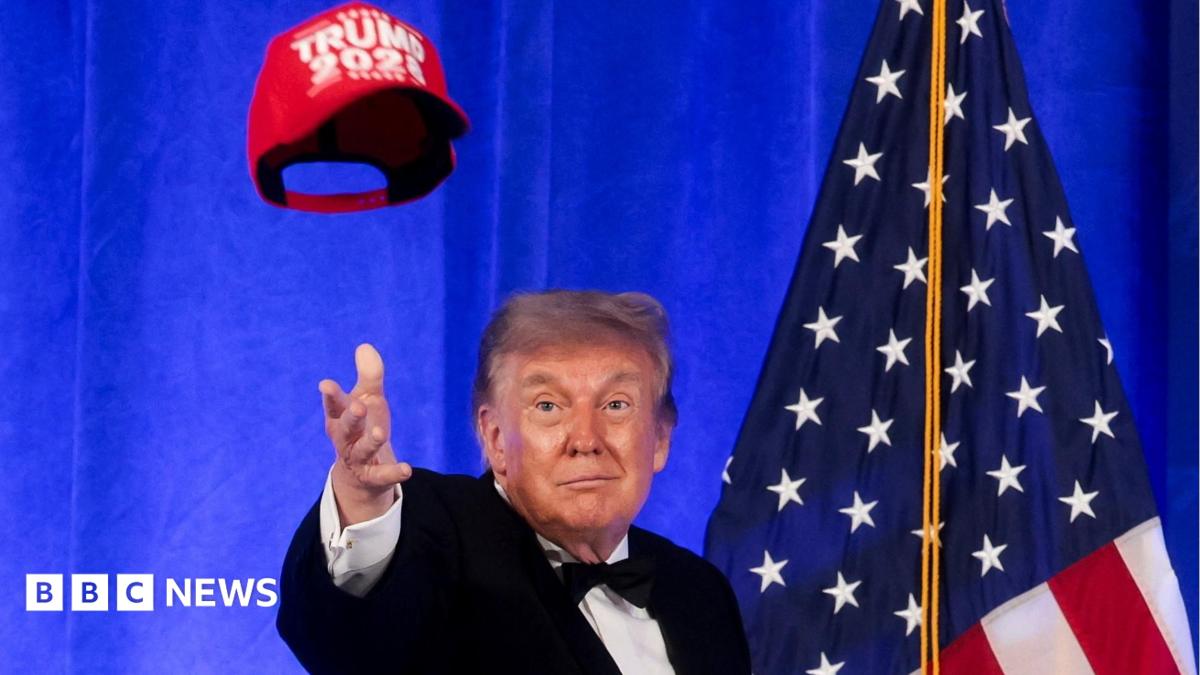 BBC News
Trump takes swipes at press during White House Correspondents' Dinner
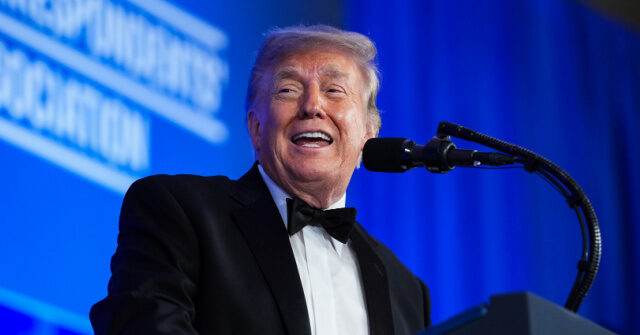 Breitbart News
Trump at WH Correspondents' Dinner Mocks 'Trump Derangement Syndrome' Press

Trump Mocks Media
Covered by
Within each topic, our system writes a neutral Summary—the core, foundational facts that almost all sources agree on. Then comes the step that makes everything else honest: reading each article for what it actually is.
3. Separating Reporting from Opinion
Not every article takes a side—in fact, most don't. So before anything else, we classify every single article the way newsrooms themselves do: is it straight reporting, interpretive analysis, or opinion arguing a viewpoint?
This split changes what we can honestly show you. A wire report that neutrally covers a politician's claim never gets counted as "taking a side"—only articles that argue a viewpoint in their own voice do. Every story then wears an honest verdict: mostly reporting, contested from both sides, skewing left or right, or even consensus—when outlets across the spectrum all agree.
4. Letting the Content Shape the Narrative
Most news aggregators take a top-down, rigid approach to the news. They'll tell you "here is what the left says, here is what the right says, and here is what the center says." The problem with this format is that it treats entire political camps like a monolith, implying everyone inside them thinks exactly alike.
We do things differently. For every article that argues a viewpoint, we extract the claim it makes—then group articles making substantively the same claim into a Coverage Angle. The angles emerge from the claims themselves: sometimes two sides clash head-on, sometimes the arguments run in parallel, and sometimes a story has no angles at all because every outlet is simply reporting it. Each angle shows its articles as dots on the left–right spectrum, so you can see exactly who is making each argument.
The result is a much more fluid, honest, and faithful reflection of the original reporting. You get to see exactly what various sources are focusing on, rather than what a rigid political label says they should be focusing on.
Topic
Trump Mocks Media
President Donald Trump attended the rescheduled White House Correspondents’ Association dinner on July 24, 2026, delivering an hour-long address months after a gunman disrupted the original April event. He opened by praising Secret Service and law enforcement, then mixed praise for some journalists with attacks on reporters, political rivals and public figures. Trump also joked about a possible third term and said his staff had removed harsher material from the speech. Commentators across party lines criticized the performance afterward, saying several jokes missed the mark.
Dinner Flop
Trump’s White House Correspondents’ Dinner appearance went badly. His speech was rambling, hostile, unfunny, grievance-filled, and poorly received by the room and commentators afterward.
Media Overreaction
Trump delivered a sharp and justified roast of the press, Democrats, and other critics. The media and liberals reacted badly because they could not tolerate being mocked or challenged.
Press Tensions
The dinner exposed the uneasy relationship between Trump, Washington media traditions, and political spectacle. Press hostility, Trump’s attacks on journalists, legal pressure, and security controversy all hung over the event.
A single topic: a neutral summary of the shared facts, then the coverage angles that emerge, each showing which sources covered them.
5. How to Read Our Graphics
Every graphic on Pano speaks one small language — five signals, each with exactly one job. Learn them once and every page reads the same way.
Position and color are an outlet's lean — blue left, gray center, red right, placed left-to-right on the spectrum. Every dot is one article.
Fill is reliability — solid means reliable, faded means mixed, hollow means below our reliability floor. Shaky sources recede; they never feed our summaries.
Amber marks commentary — analysis and opinion, the coverage that argues a viewpoint. Straight reporting stays gray, and amber never means anything else.
Each coverage angle wears its lean — which wing of the press is making that argument, computed from the outlets arguing it.
The donut is a story's composition — how much of its coverage reports, analyzes, or argues, cool gray to hot amber.
A pulsing dot means a developing story — one we're following and updating day by day, with the day count alongside.
100% Independent. Period.
A lot of media companies talk about independence, but we believe actions speak much louder than words. To ensure our incentives are always aligned with your trust, we operate under a strict set of rules:
- •We don't run ads. We answer to you, not advertisers looking for clicks.
- •We don't sell your data. Your reading habits are your business, no one else's.
- •We don't partner with partisan interest groups. We have no political agendas to push.
Instead, Pano is funded entirely by our readers through donations. We believe the absolute best way to stay accountable is to maintain a direct, unfiltered relationship with the people who read us.
We're Still in Beta (And We Need Your Help)
We are constantly working to make Pano better, and your feedback is a massive part of how we grow. If something ever feels a bit off, if you have ideas for how we can improve, or if there is a specific feature you'd love to see us build, please let us know.
We are incredibly accessible and always up for a good conversation. Feel free to drop us a line anytime.
Here's to a clearer, brighter future, 🥂