Starbucks Workers United Launches Nationwide Strike Over Pay, Hours, and Labor Practices
Starbucks Workers United launched a nationwide strike in over 40 cities, protesting insufficient pay, inadequate hours, and alleged labor violations, demanding better conditions.




Overview
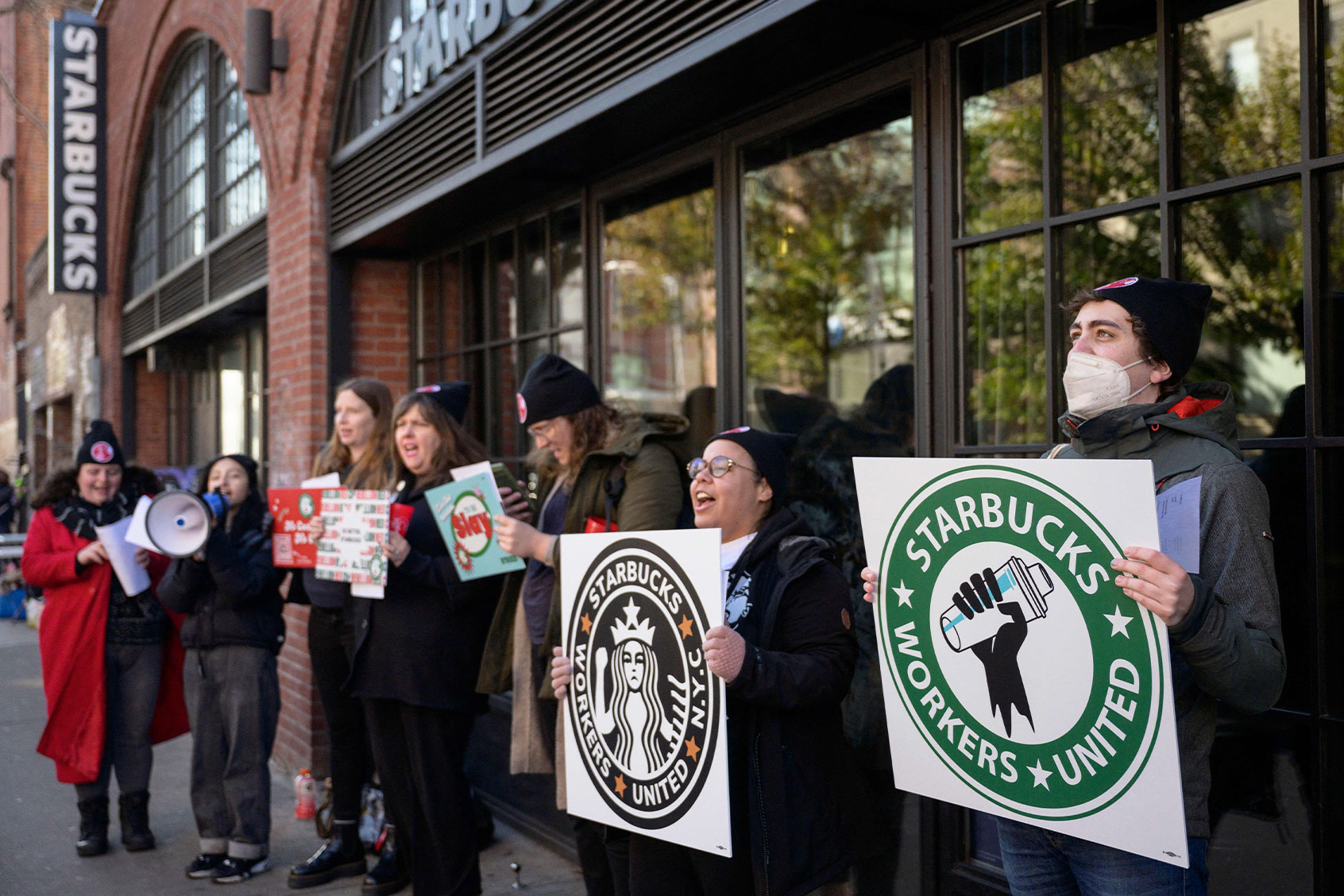
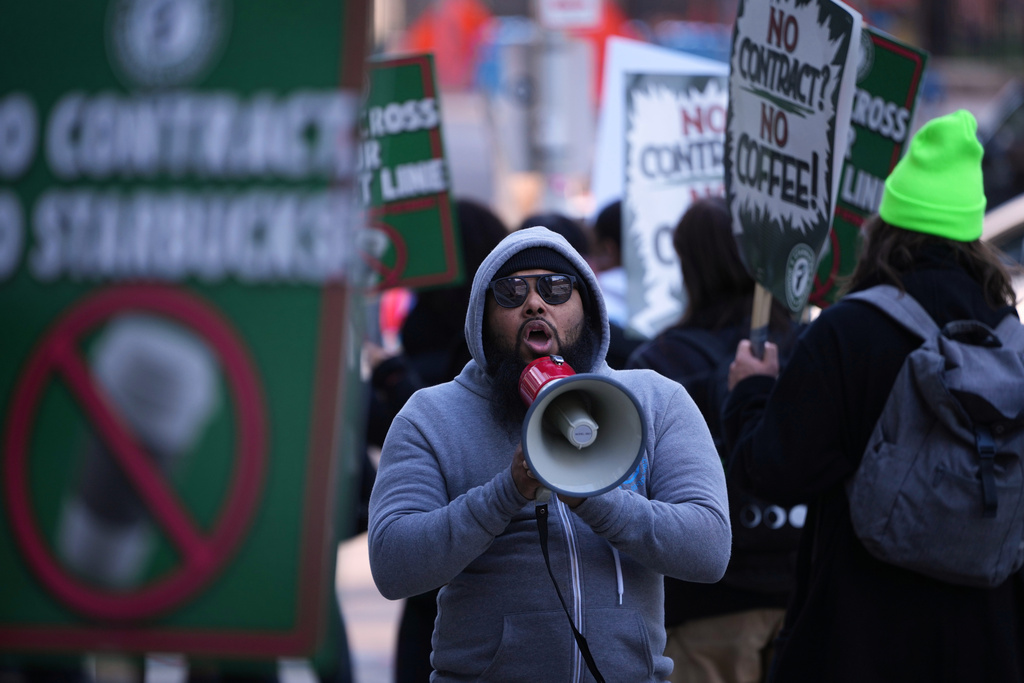
Starbucks Workers United initiated a nationwide strike on Thursday, impacting stores in over 40 cities, including New York and Seattle, during the busy Red Cup Day.
Workers are striking for better pay, increased hours, improved benefits, and resolution of alleged labor violations, having advocated for these changes since 2021.
Union members report insufficient hours, often below 20 weekly, making them ineligible for benefits, and deem $15.25 starting wages inadequate for living expenses.
Starbucks claims it offers the best retail wage and benefits, with hourly partners earning an average of $30 per hour, including comprehensive benefits.
The strike follows stalled negotiations since 2024 and union allegations that Starbucks' union-busting tactics have cost over $240 million.
Analysis
Center-leaning sources cover the Starbucks strike neutrally, presenting both the union's grievances and Starbucks' responses. They detail worker demands for better pay and staffing, alongside the company's claims of competitive benefits and readiness to negotiate. The reporting balances perspectives by including statements from both sides and providing relevant business context.
FAQ
Starbucks Workers United launched the strike due to demands for better pay, increased working hours to qualify for benefits, improved benefits, and to address alleged labor violations and union-busting tactics by Starbucks.
Starbucks claims it offers the best retail wages and benefits, with an average hourly earning of $30 including comprehensive benefits. The company has reached tentative agreements on some issues but has not agreed to the core demands of increased hours, better pay, or resolving unfair labor practice charges, leading to ongoing stalled negotiations.
The strike affected Starbucks stores in over 40 cities, including major cities such as New York and Seattle, coinciding with Red Cup Day, one of the company's busiest and most profitable days, disrupting normal operations and service.
Starbucks initially opposed unionization aggressively, leading to over 700 unfair labor practice charges. An agreement to negotiate a contract framework was made in early 2024 but stalled. Mediation in 2025 produced tentative agreements on several issues, but core demands remain unresolved, leading to strikes and labor unrest.
The strike occurs during the holiday season, a critical and profitable time for Starbucks, potentially exacerbating the company's recent financial struggles, including a 6% drop in stock and six consecutive quarters of same-store sales declines, threatening its comeback plans.
