EU Considers Easing 2035 Internal Combustion Engine Car Ban Amid Industry Pressure
EU officials are considering easing the 2035 ban on internal combustion engine car sales, providing flexibility for the auto industry facing transition challenges and pressure.
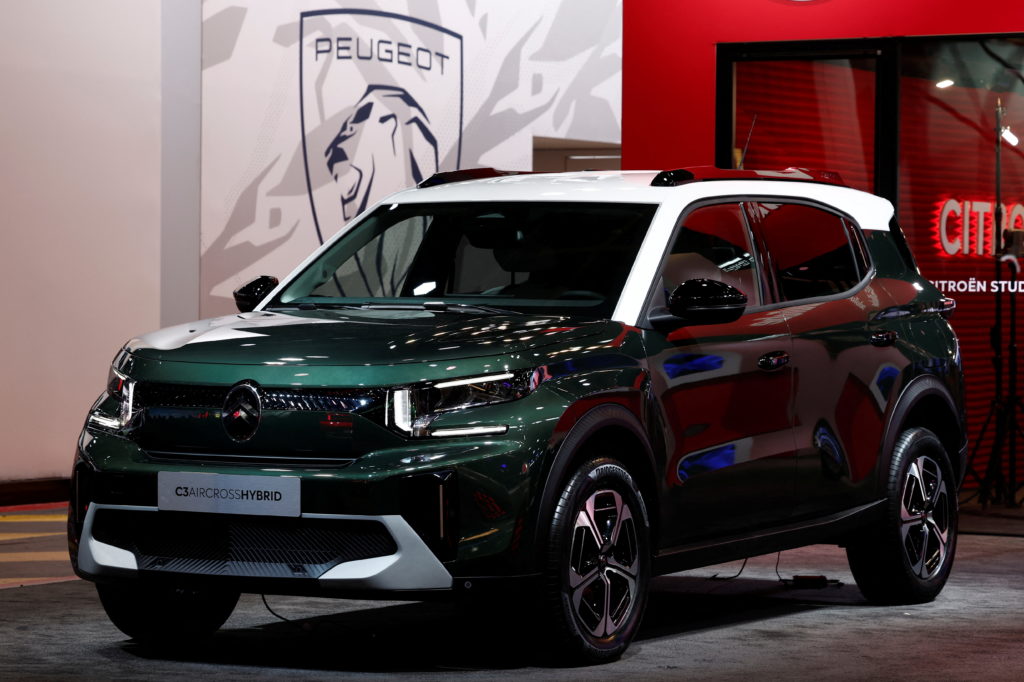
 PBS NewsHour
EU plans to ease 2035 ban on internal combustion cars as auto industry seeks flexibility
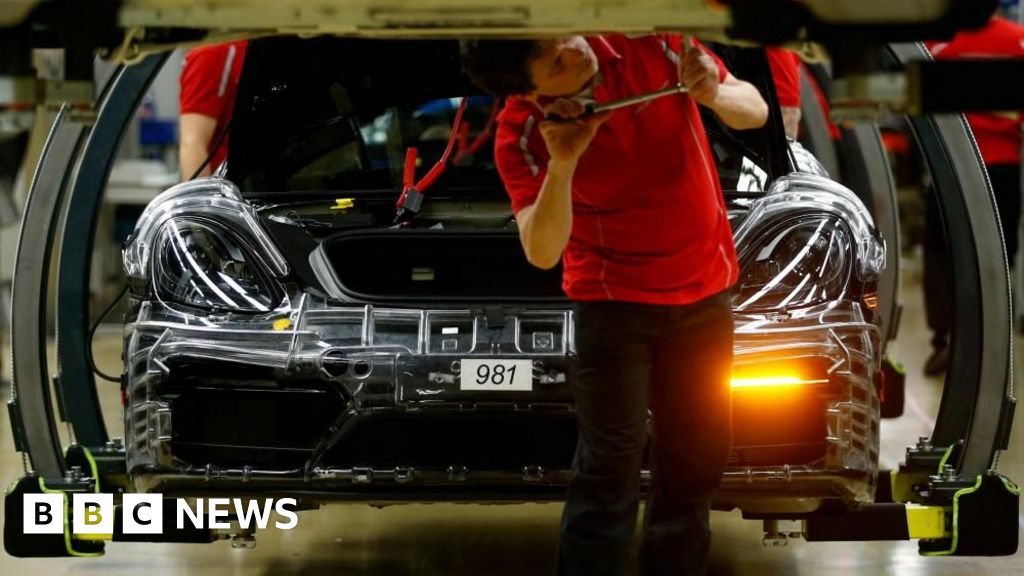
 BBC News
EU waters down plans to end new petrol and diesel car sales by 2035
 Associated Press
EU moves to ease 2035 ban on internal combustion cars as auto industry faces headwinds
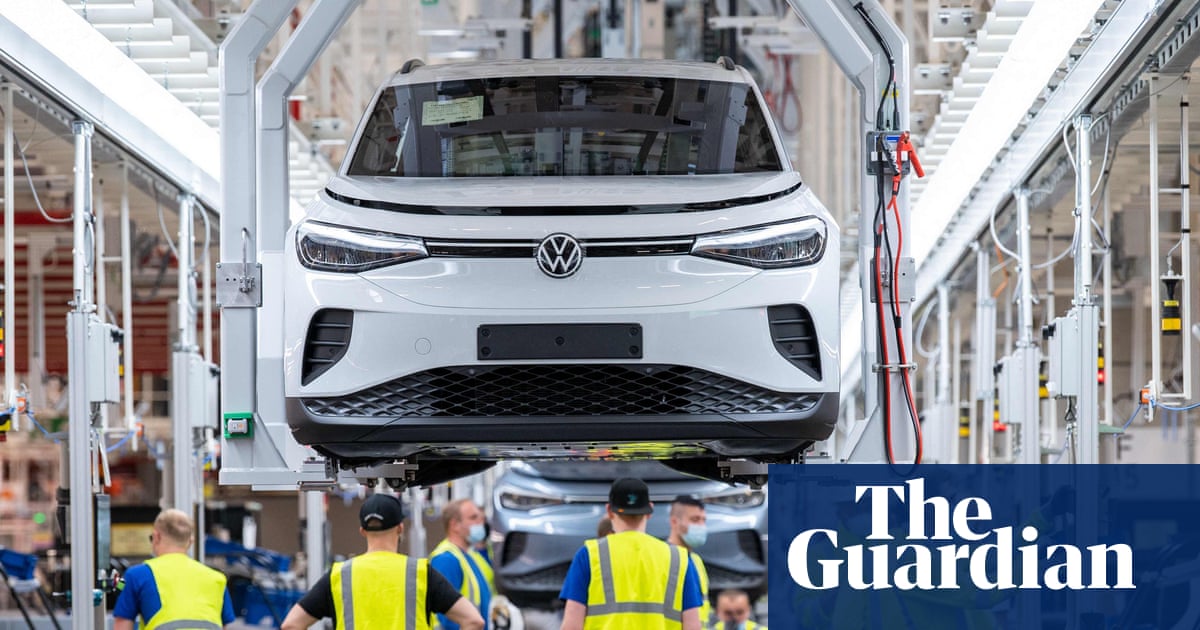
 The Guardian
EU plans to water down ban on new petrol and diesel cars
Overview
European officials are considering easing the 2035 ban on internal combustion engine car sales to offer flexibility to the auto industry.
The proposed adjustments include allowing sales of plug-in hybrids and requiring automakers to use low-carbon European steel to mitigate emissions.
This policy shift is driven by pressure from carmakers and governments, acknowledging the European auto industry's struggles in transitioning to electric vehicles.
Concerns from industry representatives highlight that inadequate charging infrastructure is significantly hindering the widespread adoption of electric cars in Europe.
Opponents criticize the weakened ban, fearing it sends confusing signals to consumers and automakers, potentially slowing progress towards fully electric vehicles.
Analysis
Center-leaning sources cover the EU's decision to ease the 2035 internal combustion car ban neutrally. They present the policy change, the reasons behind it, and diverse reactions from industry, environmental groups, and EU officials, offering a balanced overview without editorial bias. This approach allows readers to form their own conclusions.