PCE Inflation Hits Three-Year High as Gasoline Surges
PCE rose 0.7% in March and 3.5% year-over-year as gasoline surged after the Iran war; Fed left rates unchanged amid dissents.

 New York Post
Fed’s preferred inflation gauge hits 3-year high as gas prices spiked on Iran war
 Epoch Times
Fed’s Preferred Inflation Measure Rises to 3.5 Percent in March Amid Iran War

 CNBC
CNBCCore inflation rate hit 3.2% in March as first-quarter growth disappointed at 2%
 Associated Press
Key inflation gauge jumps to highest level in 3 years as Iran war spikes gas prices

 Fox Business
Fed's favored inflation gauge remained elevated in March
Overview
The Commerce Department reported the personal consumption expenditures price index rose 0.7% in March and 3.5% year-over-year, the largest annual gain in almost three years.
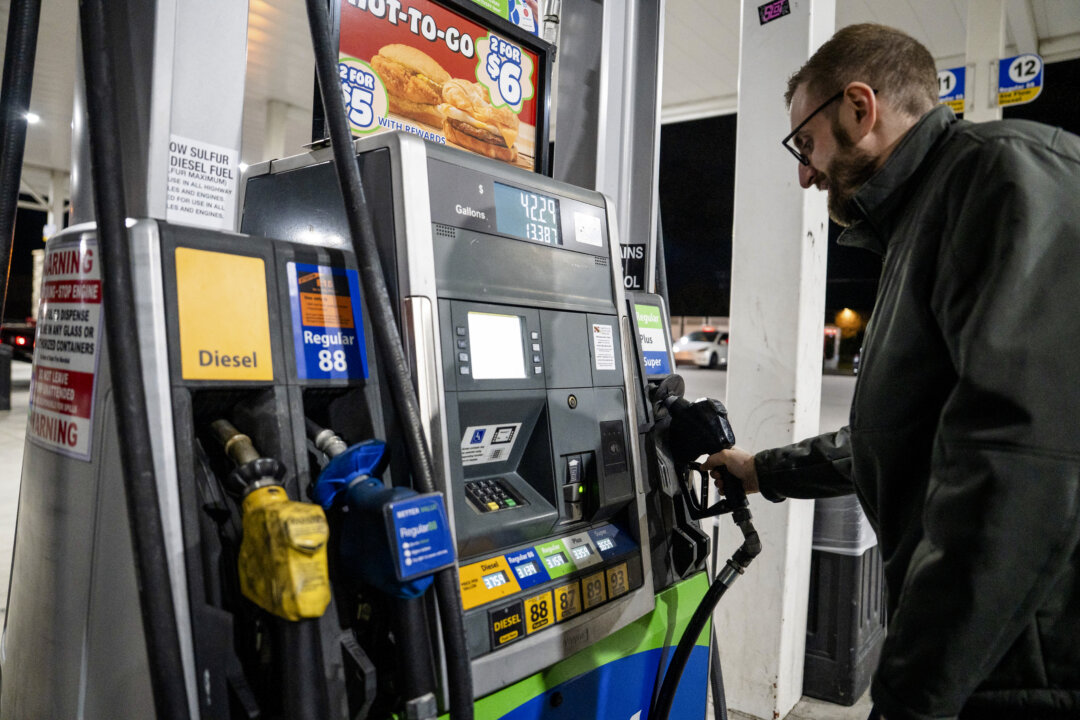
The increase was driven by higher energy after the Iran war, with reports showing gasoline rose roughly 21% to 24.1% in March and average pump prices near $4.30 a gallon.
Federal Reserve policymakers voted to hold interest rates steady and the FOMC vote included four dissents, with three regional presidents objecting to language implying the next move would be lower, officials said.
Core PCE, which excludes food and energy, rose 0.3% in March and 3.2% year-over-year, its highest annual rate since November 2023, the Commerce Department said.
Economists warned that how much higher energy costs feed through to core inflation will influence the Fed's next moves and could make the economic fallout from the Iran war more pronounced in the second quarter.
Analysis
Center-leaning sources frame the coverage as a cautious, consumer-focused mixed-economy story, emphasizing persistent inflation and energy-driven price shocks while noting solid labor metrics. Editorial choices — leading with inflation, linking higher pump prices to the Iran war, and foregrounding Fed dissents — steer readers toward concern for middle-income households, despite quoted optimistic pockets.