

U.S., China Cut Tariffs
Washington and Beijing agreed to cut reciprocal tariffs on $60 billion in goods.
September 28, 2026 · Updated Sep 28, 11:27am ET

 CNNUS and China agree to cut tariffs on $60 billion worth of goods, from coal to toys

 UPIU.S., China agree to slash tariffs on $60B of goods
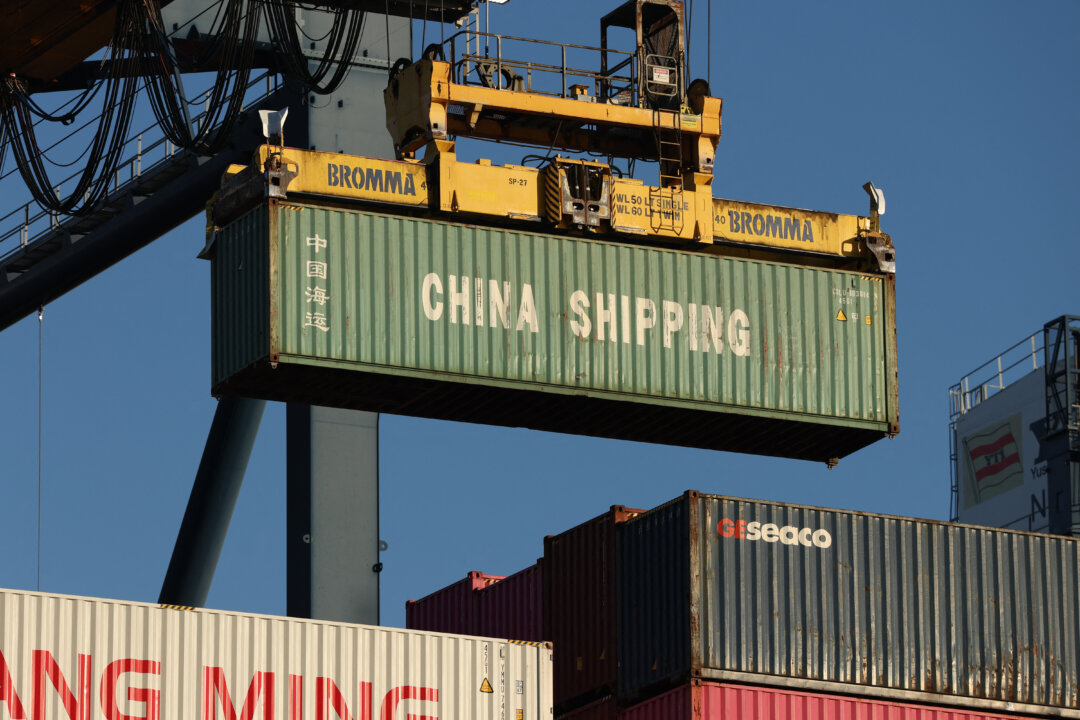
 Epoch TimesUS, China Release Product Lists for $30 Billion Reciprocal Tariff Reduction Deal
 The GuardianFoie gras, live dolphins and toasters: China and US cut reciprocal tariffs on $30bn each of goods

 The HillUS, China agree to cut tariffs on $60B worth of products
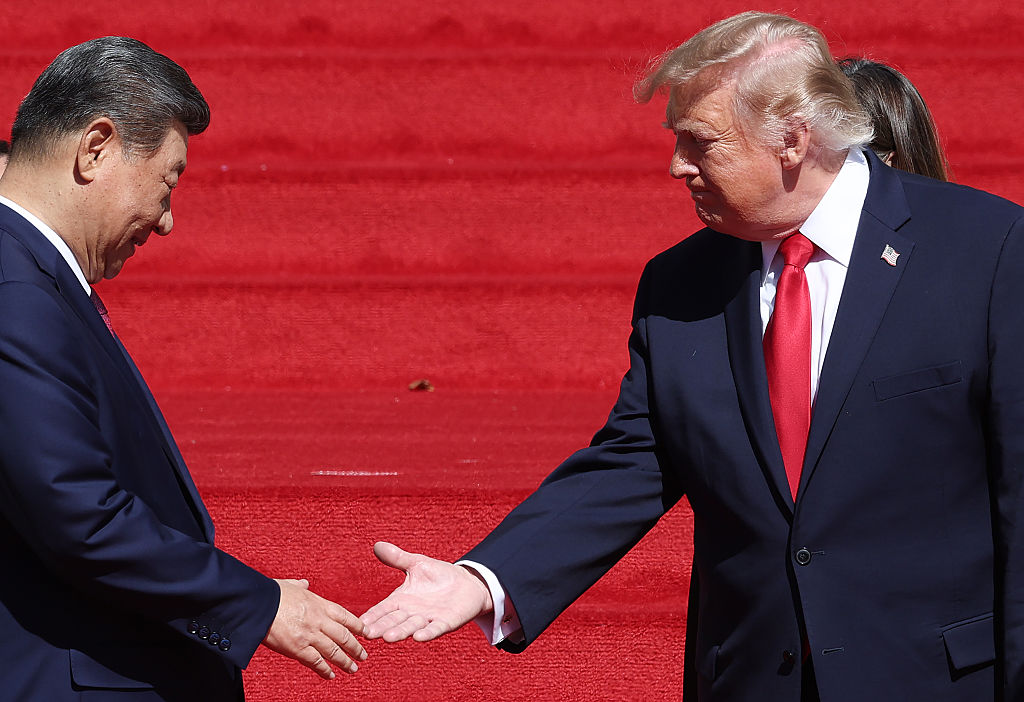
 The American ConservativeU.S., China Strike New Trade Deal

 Seattle TimesUS and China release $60 billion nonsensitive product lists for tariff cuts after Trump-Xi meeting
43%
Left · 3
29%
Center · 2
28%
Right · 2
Pano counted 7 articles from 7 outlets: 43% left-leaning, 29% center and 28% right-leaning. Pano rates the coverage Balanced.
What happened
The United States and China released reciprocal lists covering about $30 billion each in goods that will get lower tariffs. The combined package covers about $60 billion in trade between the two countries. The deal follows a “30-for-30” framework for non-sensitive goods, after President Donald Trump and Chinese President Xi Jinping met in Washington to calm trade war tensions. Strategic sectors such as semiconductors, batteries and electric vehicles were left out. U.S. Trade Representative Jamieson Greer said the move would help farmers, manufacturers, businesses and workers. China’s commerce ministry said it would stabilize trade ties. Soybeans were excluded, and no final timeline is set.
How the left told it
Left-leaning accounts framed the tariff cuts as a cautious thaw, stressing stabilization more than triumph. CNN cast the move as part of efforts to steady a testy relationship. The Guardian emphasized limits, noting that strategic products were excluded and timing remained unclear. It also lingered on the unusual mix of goods on the lists.
How the right told it
Right-leaning accounts framed the deal as a concrete trade breakthrough, emphasizing reciprocity and practical gains. The American Conservative led with the package as a $60 billion agreement. It cited Jamieson Greer crediting the Trump-Xi relationship for the outcome. Epoch Times cited Greer on benefits for consumers buying household goods and toys.


