

Duane Davis Sentenced For Tupac Murder
A former gang leader received 40 years to life for Tupac Shakur’s 1996 killing.
October 13, 2026 · Updated Oct 13, 7:42pm ET

 Al JazeeraEx-gang leader gets 40 years to life for rapper Tupac Shakur’s 1996 murder
 CBS NewsDuane "Keffe D" Davis sentenced to 40 years to life in prison for murder of Tupac Shakur

 Daily MailTupac killer Duane 'Keffe D' Davis sentenced to 40 years to life
 Los Angeles TimesGang leader betrayed by his own memoir gets life term for Tupac Shakur's murder
 ABC NewsDuane 'Keffe D' Davis faces life in prison for orchestrating murder of Tupac Shakur
 Washington ExaminerDuane ‘Keffe D’ Davis sentenced after orchestrating Tupac Shakur’s murder
 The GuardianDuane ‘Keffe D’ Davis sentenced to 40 years to life over Tupac Shakur’s murder
 BBC NewsDuane "Keffe D" Davis sentenced to 40 years for rapper Tupac Shakur's murder

 One America News NetworkDuane 'Keefe D' Davis sentenced to 40 years for Tupac Shakur's 1996 murder
 PBS NewsHourDuane ‘Keffe D’ Davis gets 40 years to life in prison for orchestrating Tupac Shakur's murder
 NBC NewsDuane ‘Keffe D’ Davis sentenced to 40 years in connection to Tupac Shakur’s 1996 murder
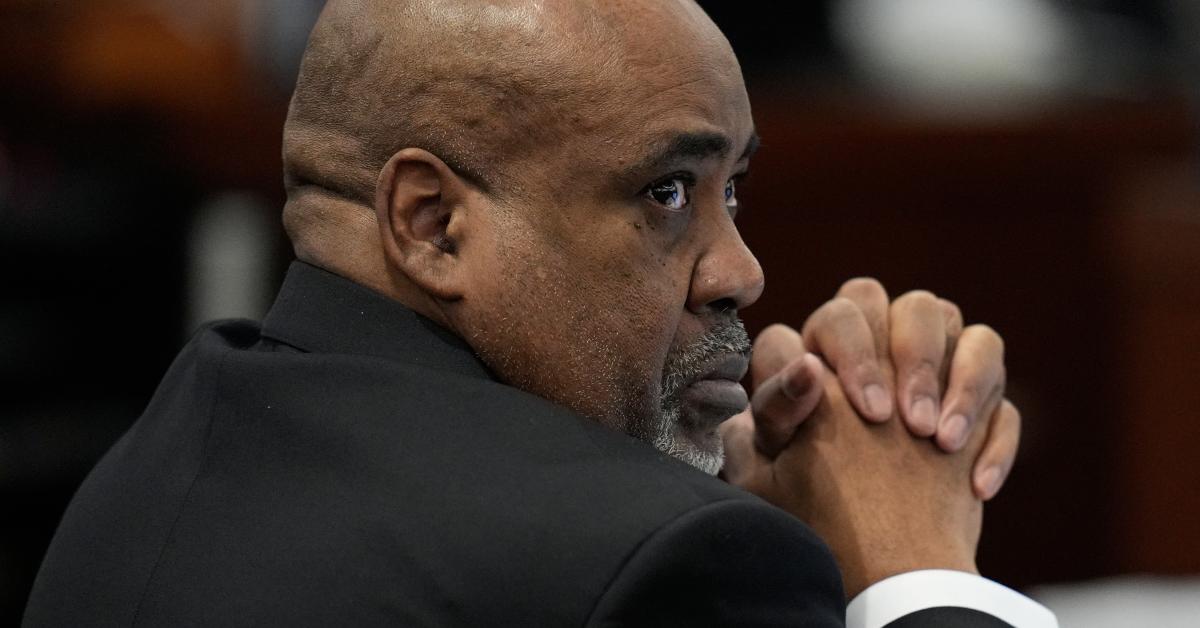
 Just the NewsFormer gang leader sentenced to 40 years in prison for 1996 murder of iconic rapper Tupac Shakur

 CNNDuane Davis sentenced to 40 years to life for the death of Tupac Shakur

 Straight Arrow NewsMan sentenced in Shakur murder ‘guaranteed to die’ in prison

 New York PostDuane ‘Keffe D’ Davis sentenced for masterminding Tupac Shakur’s murder

 Boston GlobeDuane ‘Keffe D’ Davis faces life in prison for orchestrating murder of rapper Tupac Shakur
 NewsweekDuane Davis faces potential life sentence in Tupac Shakur murder

 Daily CallerMan Convicted Of Masterminding Tupac Shakur’s Murder Learns His Fate

 Vice NewsTupac Shakur’s Convicted Killer Faces Life in Prison Over 30 Years After Rapper’s Murder
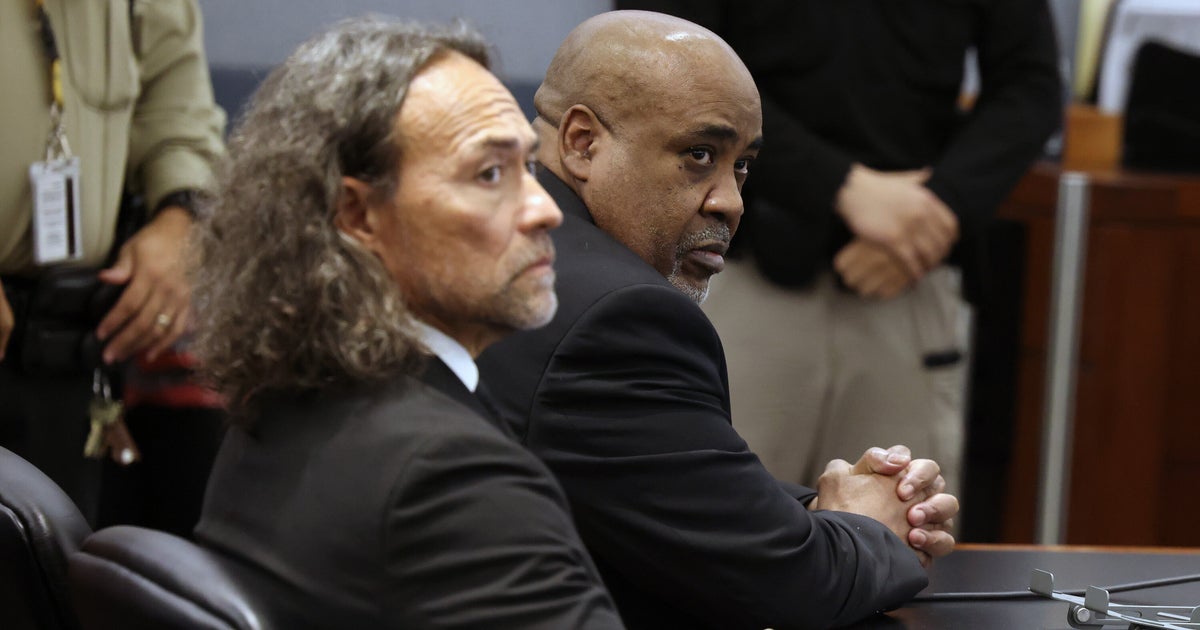
 HuffPostDuane ‘Keffe D’ Davis Gets 40 Years To Life In Prison For Orchestrating The Murder Of Tupac Shakur
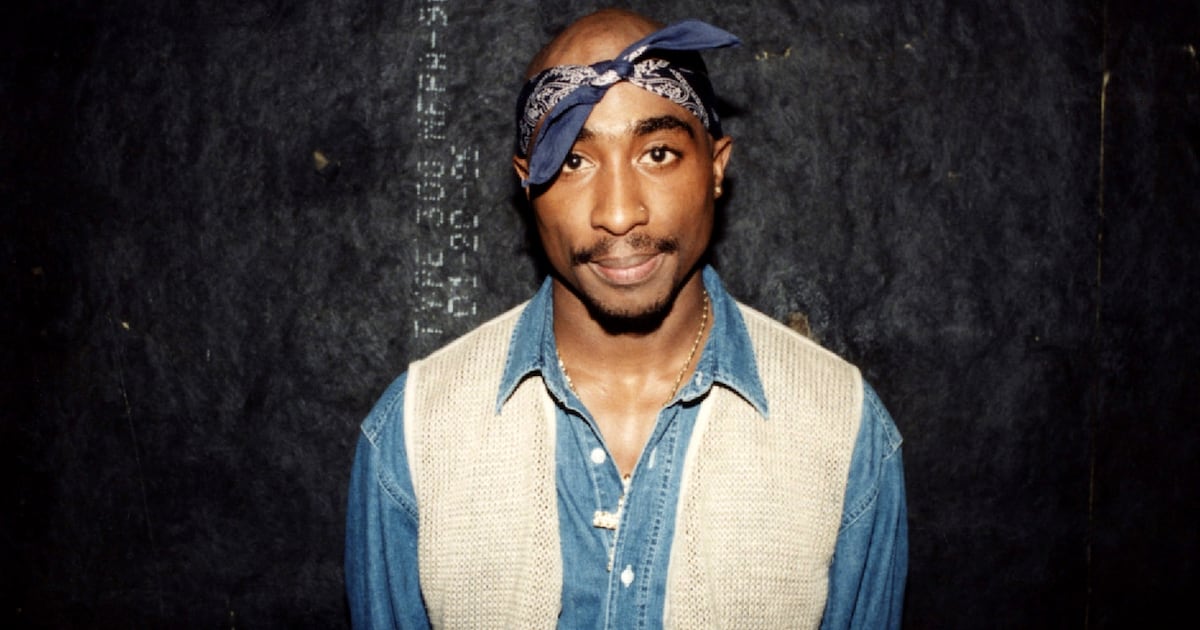
 Daily BeastTupacâs Killer Learns Fate After Murder Conviction

 Rolling StoneDuane 'Keffe D' Davis Sentenced to 40 Years to Life for Murder of Tupac Shakur
44%
Left · 10
26%
Center · 6
30%
Right · 7
Pano rates the coverage Balanced.
What happened
Duane “Keffe D” Davis Duane Davis (gangster)American gangster was sentenced to 40 years to life in prison for orchestrating Tupac Shakur
 Tupac ShakurAmerican rapper and actor (1971–1996)’s murder. A jury convicted Davis in August of first-degree murder with use of a deadly weapon, making him the only person convicted in Shakur’s killing. Shakur was shot in Las Vegas on September 7, 1996, while riding with Marion “Suge” Knight
 Suge KnightAmerican record producer and music executive (born 1965), and died six days later at 25. Davis’s public accounts, including interviews and his 2019 memoir, became key evidence after years of uncooperative witnesses and little physical evidence. Prosecutors said Davis supplied the gun for a retaliatory attack. His lawyer challenged the evidence and timing. Davis said he would appeal.
How the left told it
Left-leaning outlets framed the sentence as long-delayed justice, while lingering on the family toll and Davis’s own public accounts. Al Jazeera cast the case as the end of a decades-long search for justice in a killing that shadowed hip-hop. The Guardian centered Sekyiwa Shakur’s account of grief, including hospitalizations for depression, suicidal thoughts and PTSD. Los Angeles Times emphasized that Davis’s memoir helped turn his own words against him.
How the right told it
Right-leaning outlets emphasized accountability, Davis’s own public statements, and family loss in the sentencing coverage. Washington Examiner framed the sentence as long-delayed accountability for the gang leader who orchestrated Tupac’s murder, noting that Davis was convicted despite not being accused of firing the fatal shots and had helped bring about his downfall through public boasting, interviews, and a memoir. Drawing on Sekyiwa Shakur’s tribute, Daily Mail centered the killing’s enduring toll on Tupac’s family and community, portraying him as a beloved protector and cultural icon.
