CDC Updates Hepatitis B Vaccine Guidance for Newborns
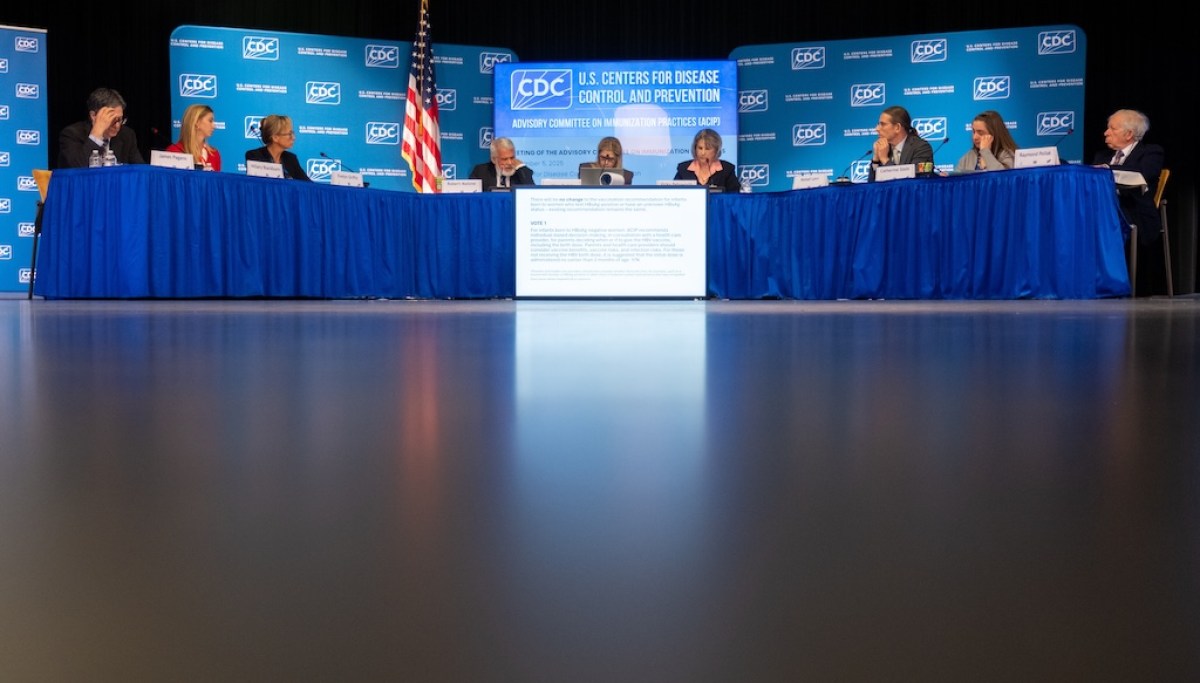
The CDC revised hepatitis B vaccine recommendations for newborns, suggesting a delay until two months for babies whose mothers test negative for the virus.




Overview
The CDC has updated its guidelines regarding the hepatitis B vaccine for all newborns, moving away from a universal recommendation for the birth dose.
New guidance suggests waiting until at least two months of age for a baby's first hepatitis B shot if they do not receive the initial birth dose.
This delayed vaccination is specifically recommended for infants born to mothers who have been confirmed negative for the hepatitis B virus.
Despite the CDC's updated stance, pediatricians are still advised to recommend hepatitis B vaccination for all newborns as a standard practice.
The change aims to provide flexibility in vaccination schedules while ensuring protection for infants at higher risk of exposure to hepatitis B.
Analysis
Center-leaning sources frame this story by emphasizing Illinois's decision to maintain universal newborn hepatitis B vaccination, portraying it as a successful public health policy. They highlight the "growing division" with federal guidance, presented as a source of "confusion." The framing prioritizes Illinois officials' rationale and data supporting their stance, largely omitting the federal government's reasoning for its revised recommendation.