WHO Declares Global Emergency Over Bundibugyo Ebola Outbreak
WHO declared a public health emergency over a Bundibugyo Ebola outbreak with roughly 246 to 336 suspected cases and no approved vaccines for this strain.
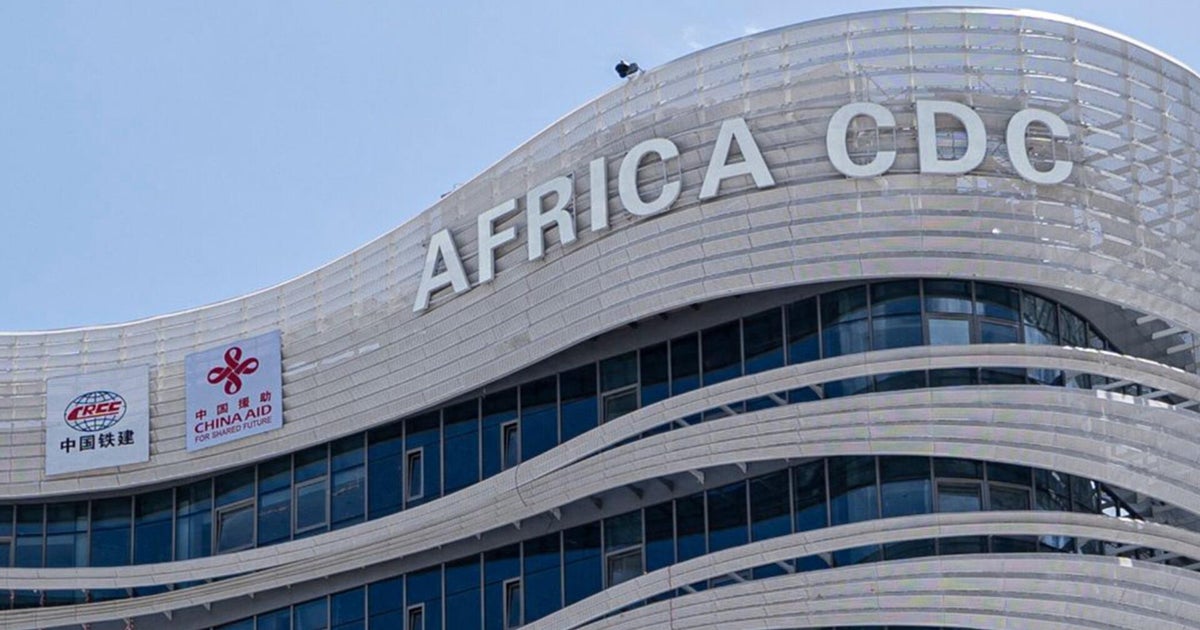
 CBS News
At least 6 Americans in Congo were exposed to Ebola virus, sources say
 Washington Examiner
'Small number of Americans' affected by Ebola outbreak in Congo: CDC
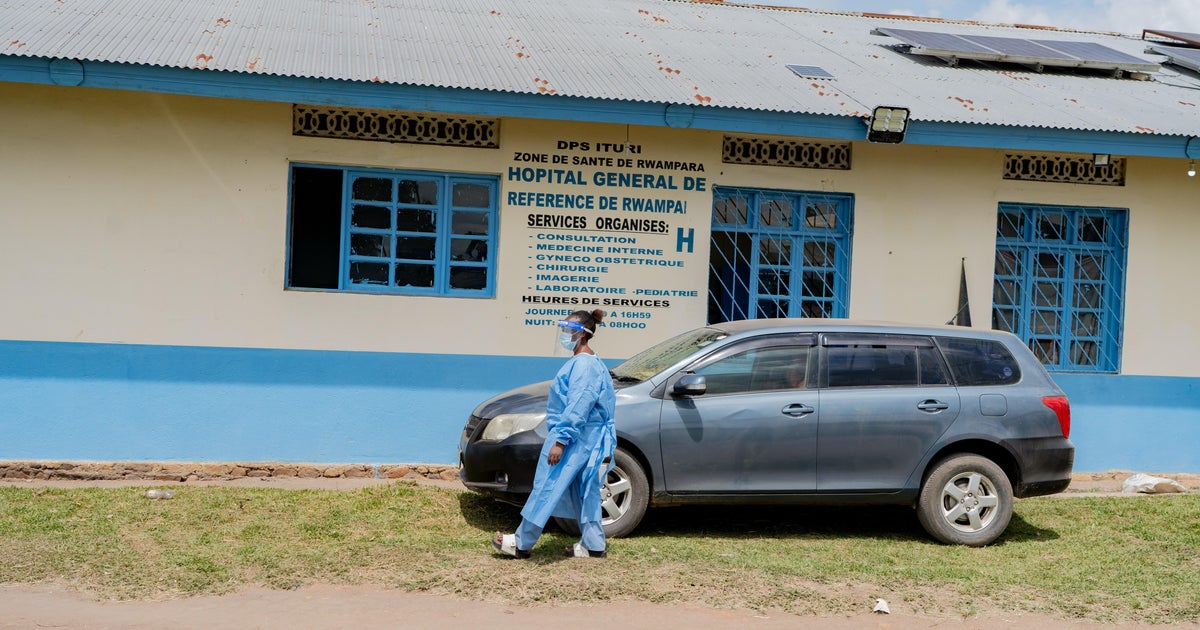 CBS News
WHO declares Ebola outbreak in Congo and Uganda a global health emergency, with at least 80 dead
 Fortune
CDC to escalate Ebola response after WHO declares emergency | Fortune
Overview
The World Health Organization declared the Ebola outbreak in the Democratic Republic of Congo and Uganda a public health emergency of international concern on Sunday, the agency said.
Health authorities reported roughly 246 to 336 suspected cases and about 80 to 88 suspected deaths, with eight laboratory-confirmed cases, according to WHO and other officials.
At least six Americans in Congo were exposed to Ebola, three with high-risk contact and one symptomatic, and the CDC said it is coordinating safe withdrawal and that the risk to the American public remains low.
The outbreak involves the Bundibugyo strain, for which there are no approved vaccines or treatments, and officials warned that insecurity, high population movement and urban mining sites increase the risk of spread.
WHO advised DR Congo and Uganda to establish emergency operation centres and to isolate confirmed cases until two Bundibugyo-specific tests 48 hours apart are negative, while neighbouring countries have tightened screening at borders.
Analysis
Center-leaning sources frame the outbreak as an urgent international threat requiring coordinated aid by emphasizing WHO's emergency declaration, cases in capitals, and the lack of approved vaccines. Editorial choices — ordering facts, using phrases like 'raising concerns', and highlighting US assistance and warnings about cuts to foreign aid — encourage support for global response.