Canada Wildfire Smoke Surge
Smoke from Canadian wildfires engulfs the Mid-Atlantic and triggers widespread air alerts.




Summary
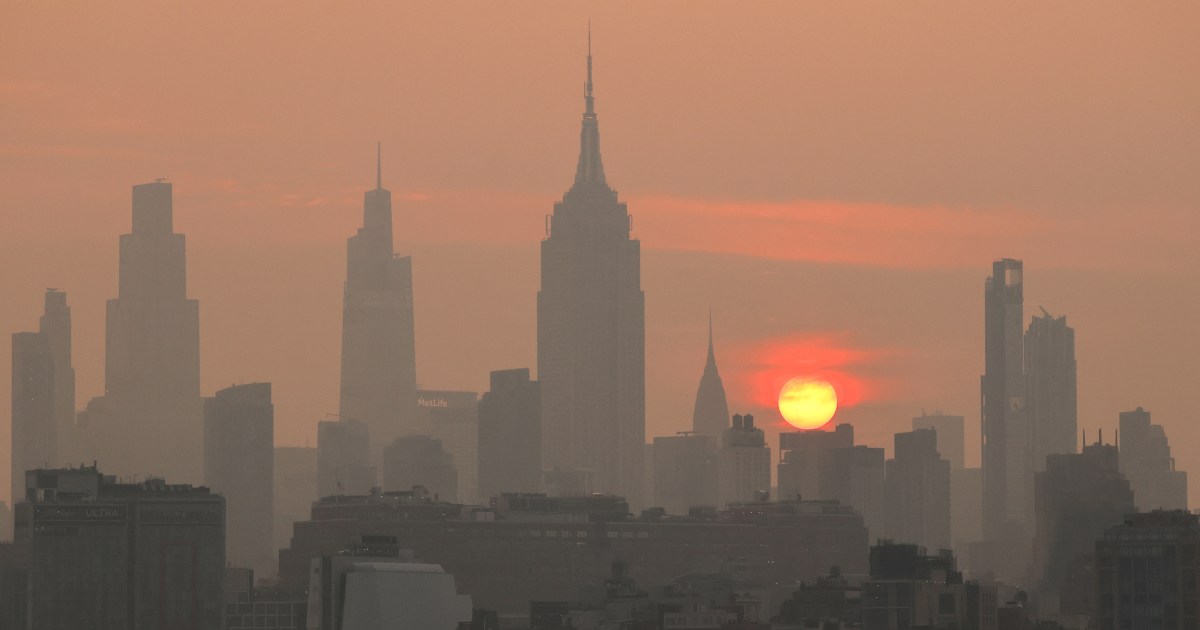
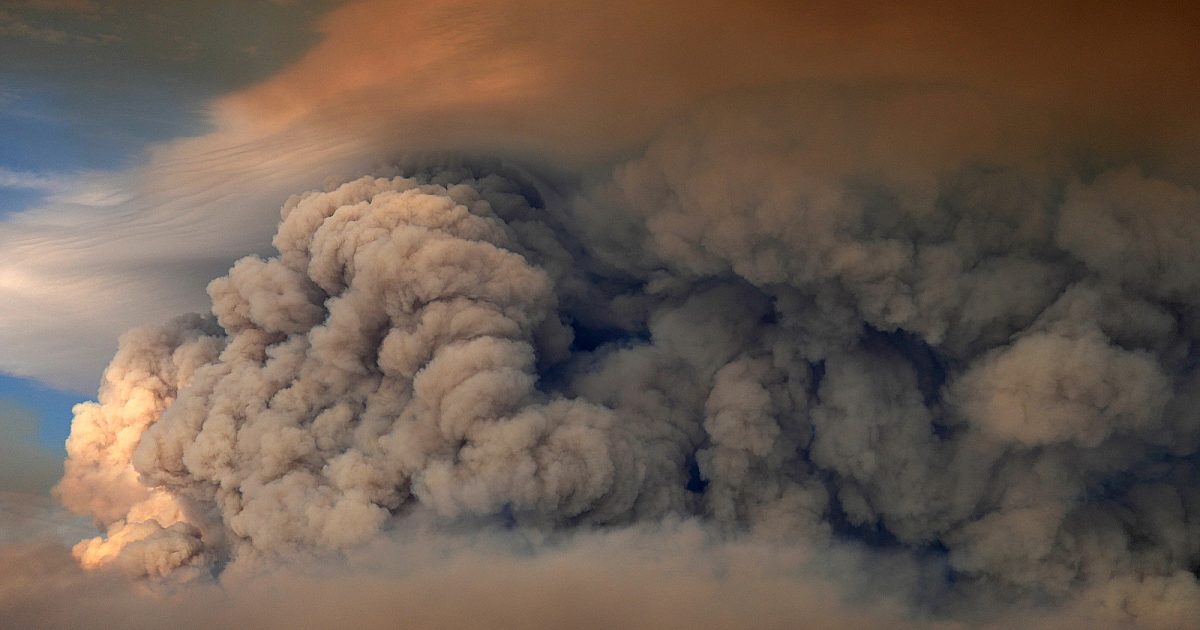
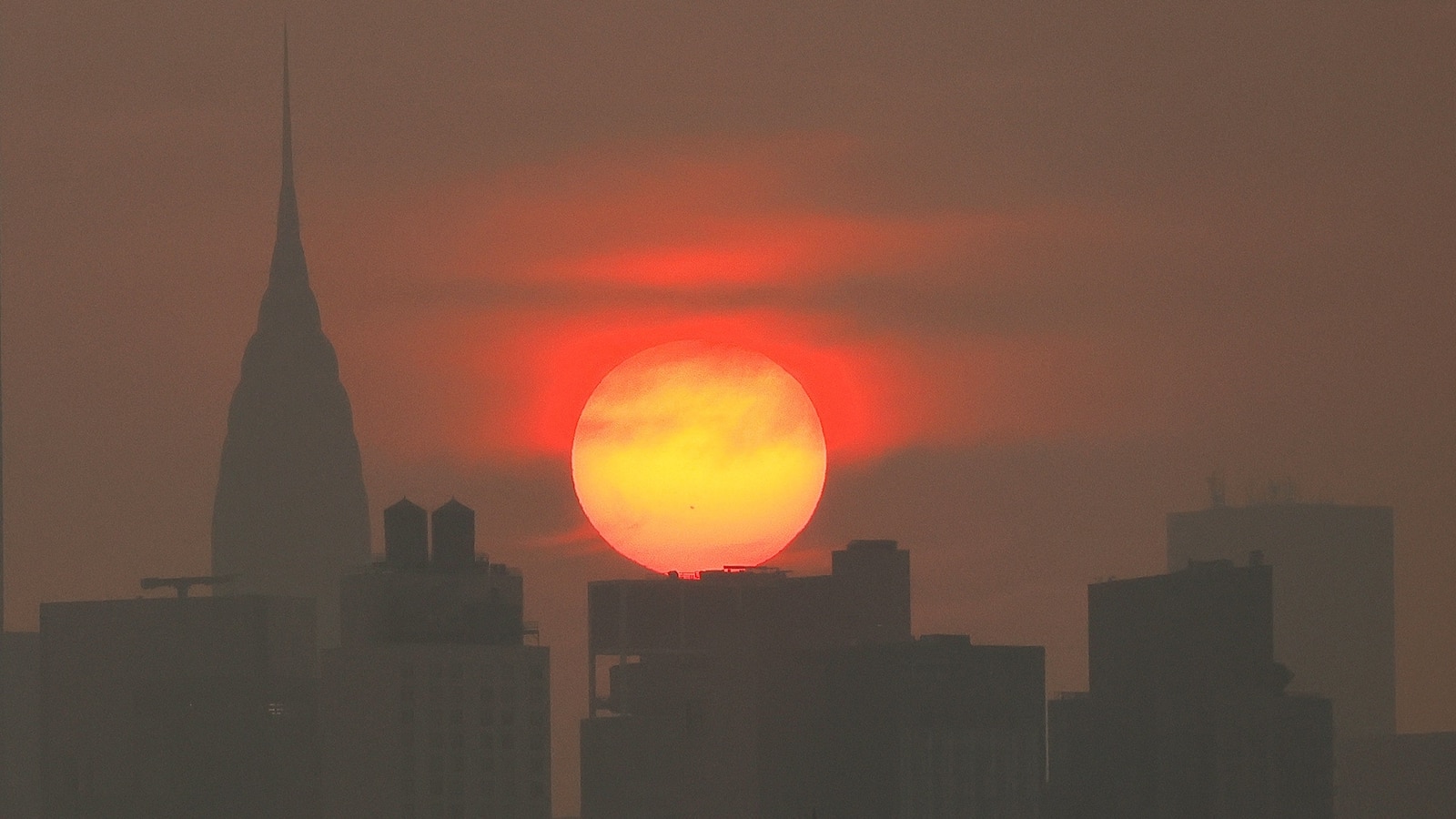
More than 100 million Americans across the Midwest, Great Lakes, Northeast and Mid-Atlantic faced air-quality alerts Friday as smoke from hundreds of Canadian wildfires moved south. More than 830 fires were burning in Canada, and at least 10 northern states recorded AQI levels above 200; Chicago closed beaches and all 50 outdoor pools for the first time since the COVID-19 pandemic. Officials urged people to stay indoors, limit exertion and wear masks outside, while Chicago-area events were canceled and an MLB game and MLS match were rescheduled.
Day 3
Latest update · Jul 18Washington, DC, was engulfed in thick haze Friday as smoke pushed farther into the Mid-Atlantic, with air quality alerts covering more than 100 million people and unhealthy conditions expected to persist in some areas through at least Saturday. The smoke comes from hundreds of wildfires burning across Canada, including nearly 850 active fires nationwide and more than 180 in Ontario, with some smoke also tied to Minnesota fires. It has blanketed parts of the Midwest, Great Lakes, Northeast and Mid-Atlantic, prompting officials to urge people to stay indoors, limit exertion and use masks or filtered air.
The Coverage
Climate-fueled fires
Climate change and climate extremes are making wildfires more severe, harder to control, and more likely to send smoke long distances. Fossil-fuel-driven warming is turning wildfire smoke into a recurring public-health threat for North American cities, and major polluters should be held accountable.


Indoor air filtration
Well-chosen and properly used air purifiers can lower indoor particulate pollution from wildfire smoke, allergens, pet dander, and other pollutants. Tested purifier recommendations offer practical options, but filtration works best as part of a broader exposure-reduction plan.


Smoke health risks
Wildfire smoke, including smoke blowing from Canadian fires, is making air hazardous across large parts of North America and can seriously harm people’s health. Residents should track air quality, limit exposure, stay indoors when needed, improve indoor air, use effective masks as a backup, and protect vulnerable people and pets.


