

FDA Orders GLP-1 Warning
The FDA is requiring GLP-1 labels to warn of a rare eye condition tied to blindness.
November 9, 2026 · Updated Nov 9, 7:54pm ET

 Boston GlobeFDA warns GLP-1 drugs carry potential risk of rare eye condition
 USA TODAYDo Ozempic, Zepbound cause vision loss? New FDA warning explained

 New York PostGLP-1 drugs must have new warning label over incurable blindness condition, says FDA

 Joe.My.God.FDA: GLP-1 Drugmakers Must Warn About Blindness
 Associated PressFDA adds rare vision-loss warning to popular GLP-1 drugs
 World News GroupFDA orders new label warning for vision loss on GLP-1 drugs
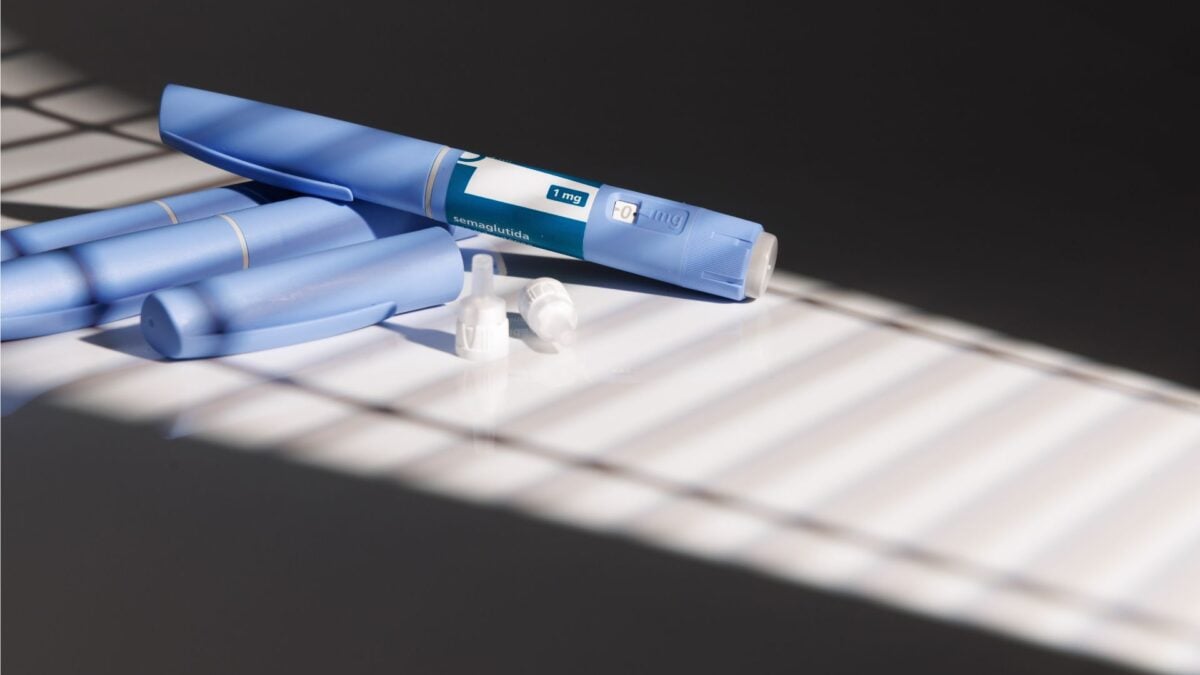
 GizmodoFDA Demands New Blindness Warning For GLP-1 Drugs
 NewsNationFDA requires safety label changes for GLP-1s over risk for eye condition
 TownhallFDA Now Requiring GLP-1 Makers to Warn About Rare but Severe Eye Condition
 NBC NewsFDA orders new warning on GLP-1s over rare eye condition linked to sudden blindness
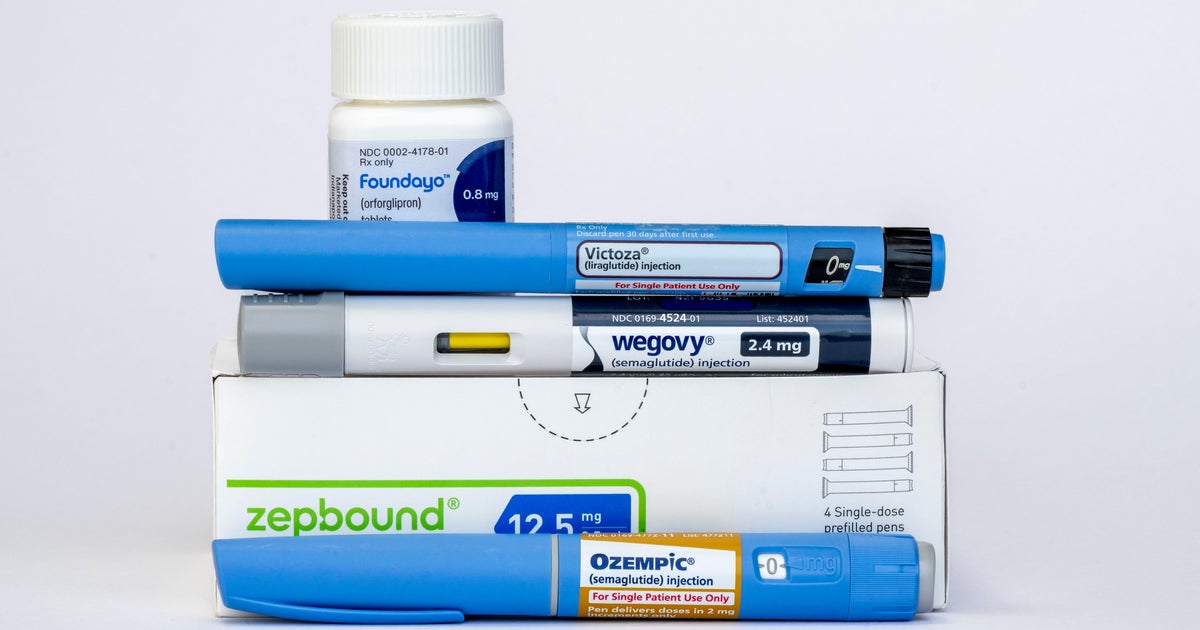
 CBS News· AP reportGLP-1 drugs, popular for weight loss, get FDA warning of rare vision-loss side effect
25%
Left · 3
50%
Center · 6
25%
Right · 3
Pano counted 12 articles from 11 outlets: 25% left-leaning, 50% center and 25% right-leaning. Pano rates the coverage Balanced.
What happened
- The FDA on Monday required GLP-1 drugmakers to add label warnings about a potential increased risk of a rare eye condition that can cause permanent vision loss.
- The requirement covers all GLP-1 drugs, including Ozempic, Wegovy, Mounjaro and Zepbound, which are used to treat diabetes, obesity and other conditions.
- The condition, called NAION or an “eye stroke,” occurs when blood flow to the optic nerve drops and has no proven treatment.
- The FDA’s analysis of more than 125 clinical trials found roughly six cases per 100,000 patients taking GLP-1 drugs for at least a year, compared with fewer than four among those receiving comparison treatments.
- Drugmakers must update their warnings, but how GLP-1 drugs might increase the risk remains unclear, according to the FDA.
How the left told it
Left-leaning outlets framed the requirement as a warning about a rare but serious threat to vision. The Boston Globe, republishing STAT, emphasized the potential risk and lack of proven treatment; Joe.My.God. carried the same reporting under the headline “GLP-1 Drugmakers Must Warn About Blindness.”
How the right told it
Right-leaning outlets emphasized the new safety requirement and the condition’s potentially permanent effects. The New York Post highlighted an “incurable blindness condition,” and World News Group described symptoms and the lack of treatment. Townhall also stressed the risk’s scale: “To be clear, NAION is extremely rare.”
FDA GLP-1 Safety Review
Part of the storyline · Storyline →- Nov 10GLP-1 Warnings Detail Vision-Loss RiskBalanced
- Nov 9FDA Orders GLP-1 Warning (this story)Balanced
