TSA Considers $18 Fee for Non-REAL ID Travelers at Airport Checkpoints
TSA considers an $18 fee for travelers lacking a REAL ID, requiring payment for alternative identity verification at airport checkpoints.
 CNN
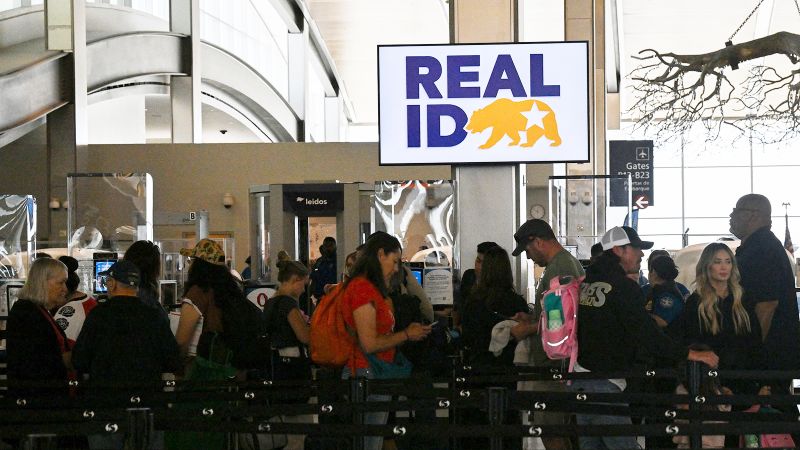
CNNTravelers without a REAL ID could be charged $18 by TSA under proposed rule
 FOX News
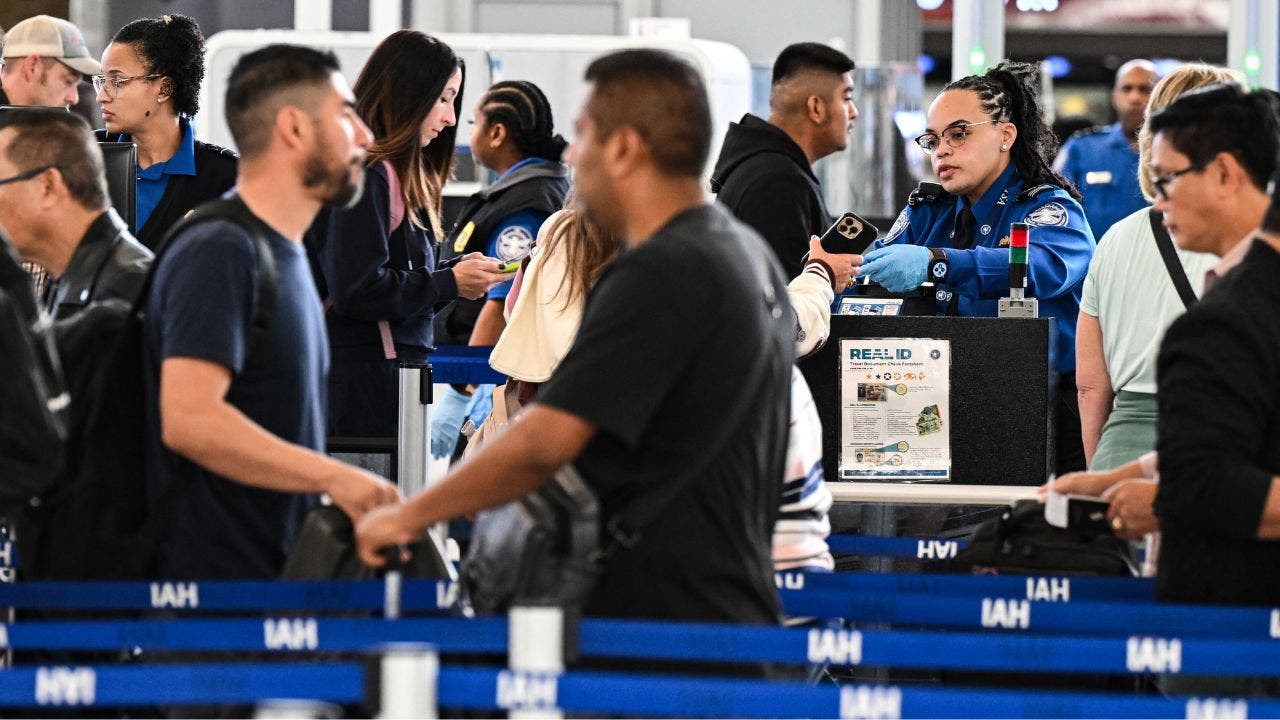
New TSA policy charges passengers who do not have acceptable IDs at checkpoints
 CBS News
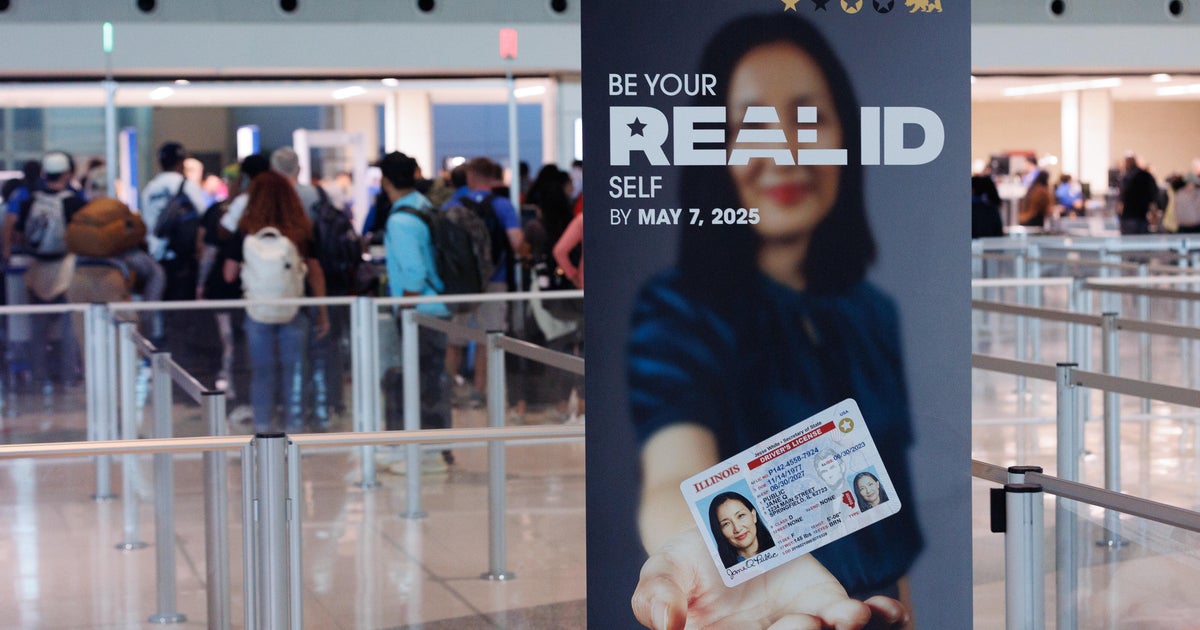
TSA may start charging a fee for travelers without a Real ID or other approved ID

 USA TODAY
TSA could charge you $18 if you show up without a REAL ID
Overview
The Transportation Security Administration (TSA) is currently exploring the implementation of a new fee for air travelers.
This proposed fee would amount to $18 and target individuals who do not possess a REAL ID-compliant identification.
The charge would apply specifically to passengers utilizing an alternative identity verification program at airport security checkpoints.
The initiative aims to cover the costs associated with providing these alternative identity checks for non-REAL ID holders.
This consideration could impact how travelers without a REAL ID navigate airport security in the future, potentially adding an extra cost.
Analysis
Center-leaning sources cover this story neutrally by focusing on factual reporting and practical information for travelers. They explain the proposed TSA fee and the REAL ID requirement without employing loaded language or emphasizing a particular viewpoint. The coverage prioritizes clarity and direct communication of the new policy's implications, aiming to inform rather than persuade readers.
FAQ
The $18 fee is intended to cover the costs of providing a modernized alternative identity verification program for travelers who do not have a REAL ID-compliant identification at airport checkpoints.
The $18 payment for alternative identity verification is valid for 10 days for domestic travel.
The TSA is proposing a biometric kiosk system as an alternative method to verify the identity of travelers who do not have a REAL ID but pay the $18 fee.
No, the TSA states that biometric screening is not a guarantee that all identities will be verified, and travelers may face additional security measures and delays.
The REAL ID requirement officially took effect at airports in May 2025, after being signed into law more than 20 years ago.