Supreme Court Rejects Surrogate Bid
The court left custody of a surrogate-born baby with the biological parents.




9
Articles
9
Sources
Coverage mix
What happened
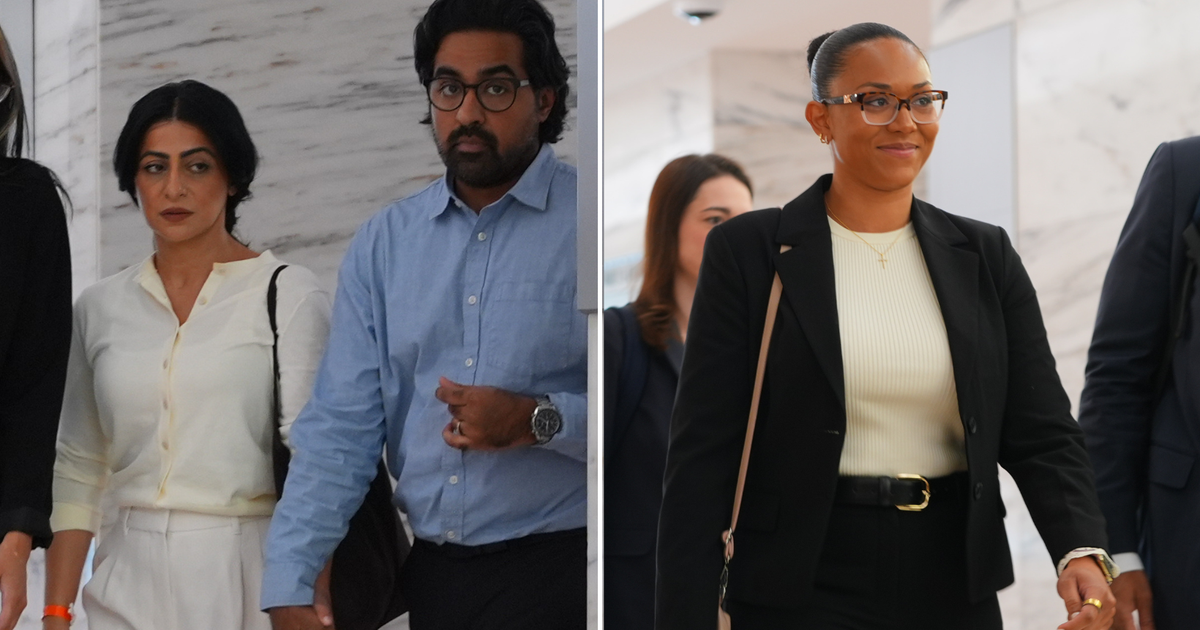
Supreme Court Justice Elena Kagan declined a request to block a California court order recognizing couple Omar Ahmed and Nausheen Gilkar as the child’s parents. The dispute grew from a surrogacy agreement with surrogate McKenna West that allowed the couple to demand an abortion after a fetal abnormality diagnosis. At about 20 weeks, doctors diagnosed a severe heart defect. Ahmed and Gilkar said the contract let them seek an abortion; West refused, traveled to Texas, and gave birth Aug. 12. West said Alaska should handle the case and that she lacked access to the child’s care. The couple said she overstated the prognosis and provided round-the-clock intensive care. The one-sentence order leaves lower-court rulings in place for now.
Both sides
From the left
Left-leaning accounts cast the case as an abortion-and-surrogacy clash, stressing West’s refusal after a fetal diagnosis and her move to anti-abortion Texas. The Guardian lingered on the child’s rare, serious heart defect, making medical fragility the urgent stake. MS NOW framed the denial as another defeat for West and a win for the recognized parents.
From the right
Right-leaning accounts centered custody and biology, treating the order as leaving genetic parents in control over the surrogate. The Washington Times foregrounded the abortion dispute as pressure on the surrogate after a heart-defect diagnosis. The Washington Examiner portrayed West sympathetically, emphasizing claims that the intended parents resisted lifesaving treatment.
Coverage•9 articles — 3 left, 3 center, 3 right
Get tomorrow's edition
Every side, every morning — free in your inbox.