Trump Threatens Tariffs on BRICS Nations Amid Trade Tensions
President Trump warns of a 10% tariff on BRICS nations, citing their perceived anti-American stance as a reason for the measure.
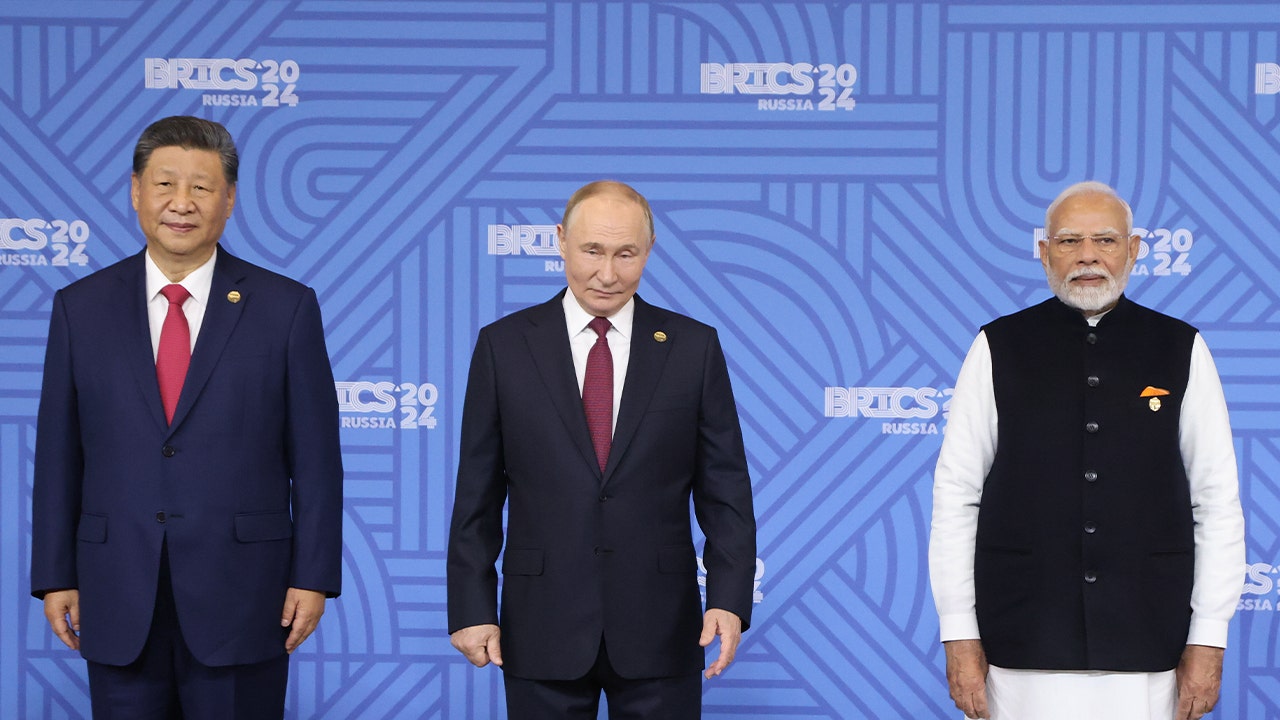
 Fox Business
Trump threatens additional 10% tariffs on 'anti-American' BRICS nations
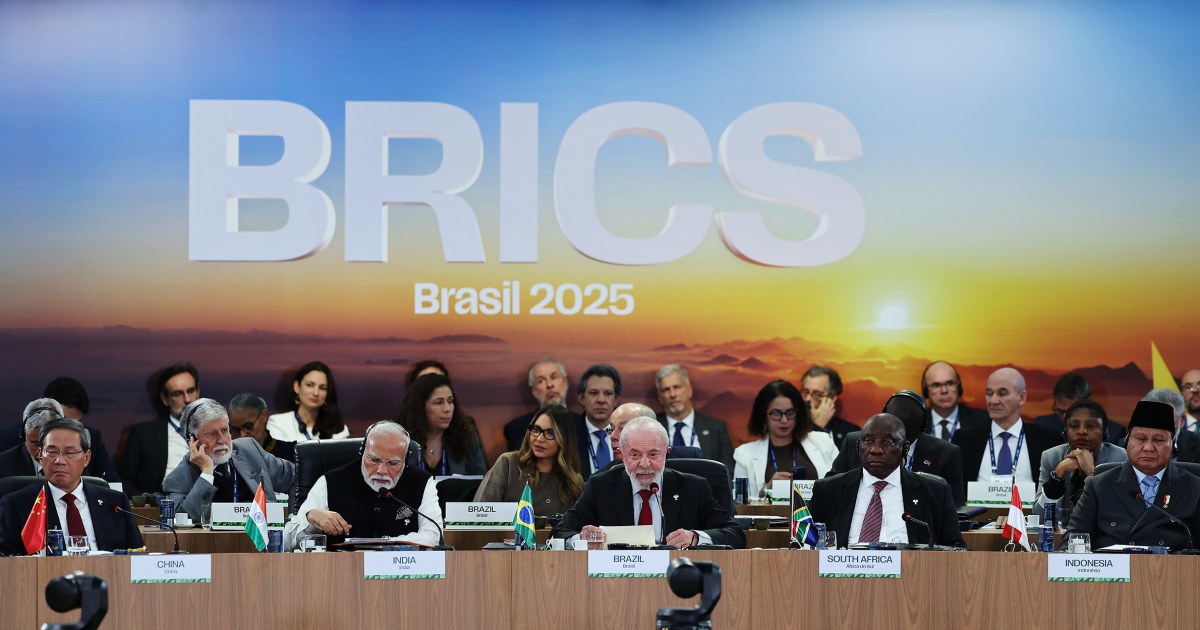
 NBC News
BRICS nations resist 'anti-American' label after Trump tariff threat
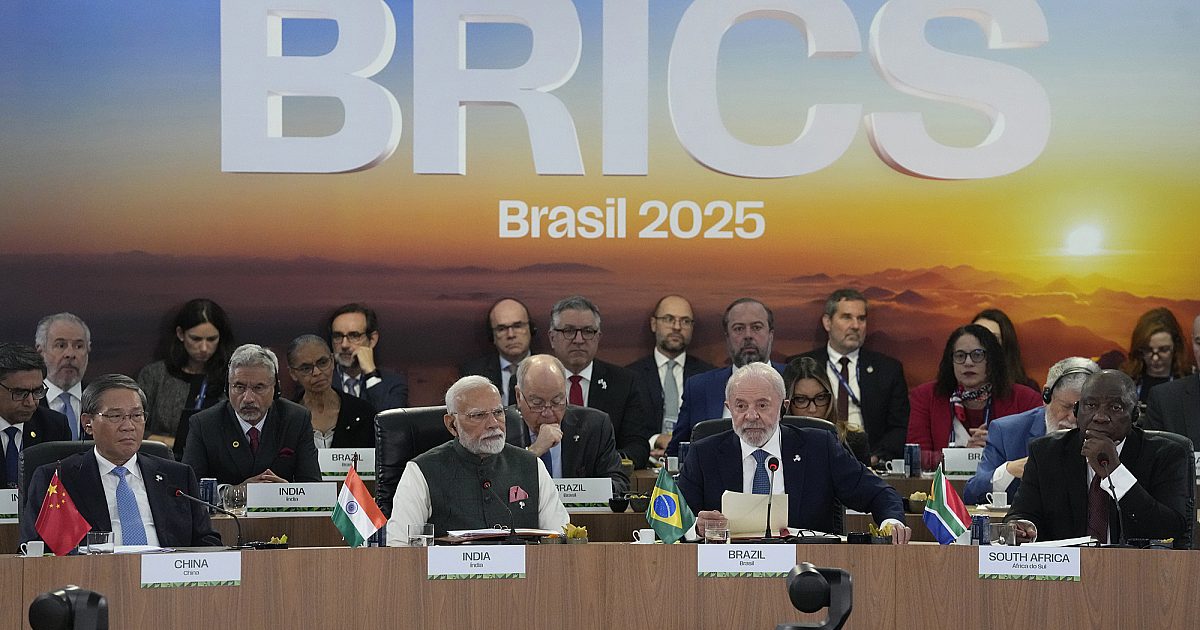
 World News Group
Trump threatens more tariffs on anti-American countries

 USA TODAY
What is BRICS? Trump threatens more tariffs for countries with 'Anti-American' policies
Overview
President Trump announced a potential 10% tariff targeting BRICS alliance members.
The tariff is a response to what Trump describes as anti-American policies from these countries.
This decision reflects ongoing tensions in international trade relations.
The move aims to influence the economic behavior of nations supporting the BRICS alliance.
Trump's warning underscores the U.S. stance on global trade dynamics and national interests.
Analysis
Center-leaning sources frame the narrative around President Trump's tariff threats and the BRICS group's response, highlighting tensions in global trade. They exhibit skepticism towards Trump's policies, portraying them as divisive. The BRICS nations are depicted as resisting negative labels, emphasizing their unity and opposition to perceived American hegemony.
FAQ
As of 2025, BRICS comprises eleven full members: Brazil, Russia, India, China, South Africa, Egypt, Ethiopia, Iran, Saudi Arabia, the United Arab Emirates, and Indonesia.
President Trump threatens a 10% tariff on BRICS nations due to their perceived anti-American policies and as a measure to influence their economic behavior amid ongoing trade tensions.
The 2025 BRICS Summit focused on multilateralism, sustainable development, counterterrorism, AI governance, and reforming global governance institutions, with an emphasis on empowering the Global South.
BRICS started with five countries in 2006 (Brazil, Russia, India, China, South Africa) and expanded to eleven members by 2025, including several emerging economies admitted between 2024 and 2025.
BRICS aims to serve as a counterweight to Western influence in global institutions by promoting better cooperation among Global South countries and supporting reforms in institutions like the UN Security Council, IMF, and WTO.

