Nepal PM Resigns Amid Deadly Anti-Corruption Protests, Death Toll Rises to 22
Nepali Prime Minister KP Sharma Oli resigned as anti-corruption protests, fueled by a social media ban, escalated into deadly violence, resulting in at least 22 deaths and widespread unrest across multiple districts.
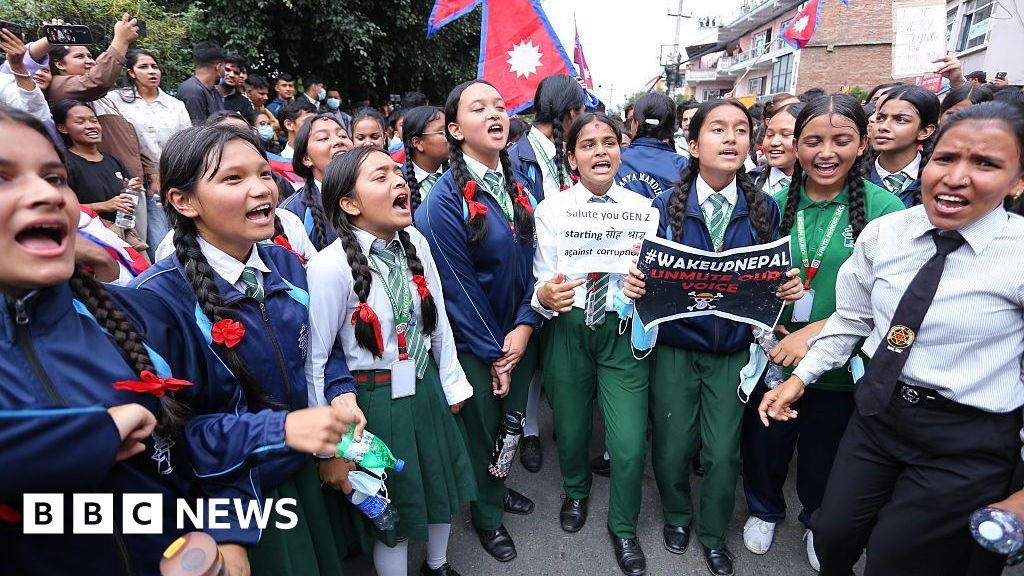
 BBC News
Why GenZ has taken over the streets in Nepal
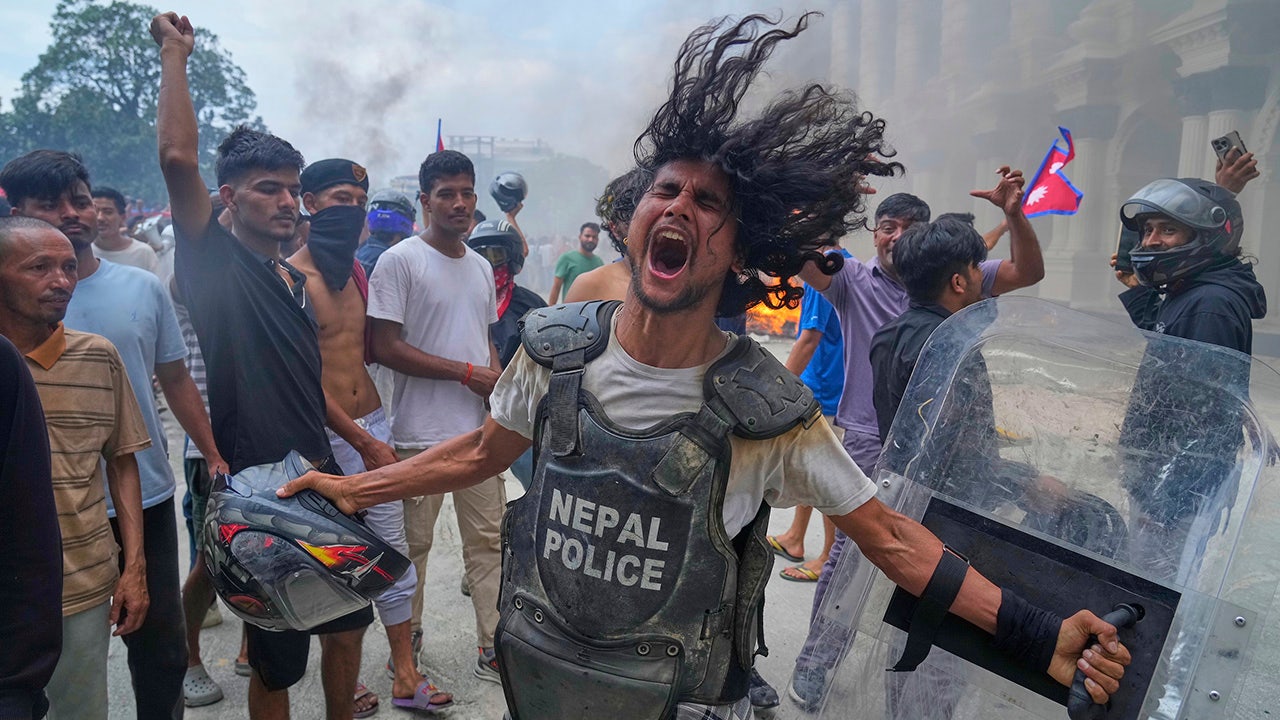
 FOX News
Violent Gen Z protests spiral with at least 19 killed in Nepal; video shows parliament building ablaze

 Al Jazeera
Nepali PM forced to step down, parliament torched amid deadly protests

 TIME Magazine
Nepali Parliament Stormed As Corruption Protests Escalate
Overview
Nepali Prime Minister KP Sharma Oli resigned following widespread anti-corruption protests, initially sparked by a government ban on major social media platforms like WhatsApp and Facebook.
Protests escalated into severe violence, with demonstrators setting fire to the parliament, torching politicians' homes, and engaging in widespread vandalism across multiple districts.
Clashes between protesters and police resulted in at least 22 deaths and nearly 200 injuries, with police using tear gas, water cannons, and live bullets against demonstrators.
Military helicopters evacuated ministers from besieged houses, while multiple districts were placed under curfew, which protesters defied, as the army chief accused demonstrators of exploiting the crisis.
Gen Z protestors in Kathmandu rallied under a broader anti-corruption call, leading to an advisory from the Indian Ministry of External Affairs for its citizens to avoid travel to Nepal.
Analysis
Center-leaning sources frame this story as a significant, youth-led uprising driven by deep-seated public outrage against corruption and government overreach, particularly the social media ban. They emphasize the unprecedented nature of the "Gen Z" protests and their demands for accountability, portraying the movement as a powerful, justified response to systemic issues.
FAQ
The protests were triggered by a government ban on 26 popular social media platforms, including Facebook and WhatsApp, which followed widespread public frustration about corruption and nepotism among political elites in Nepal.
At least 22 people died during the protests as clashes escalated between police and protesters. Police used tear gas, water cannons, rubber bullets, and live ammunition against demonstrators.
Protesters set fire to the Nepalese parliament building, torched homes of politicians, and vandalized government properties. There were also violent attacks against government ministers and the opposition party.
He resigned in response to the escalating violence and unrest caused by the protests, stating in his resignation letter that his stepping down was to facilitate political resolution and help solve the nation's problems according to the constitution.
Generation Z, especially young students and social media users, were the primary organizers and participants of the protests, motivated by the social media ban and anger over corruption and nepotism among political leaders.