Government Shutdown Enters Second Week Amidst Back Pay Threats and Stalled Negotiations
The federal government shutdown continues into its second week, impacting 750,000 workers. President Trump threatens mass firings and denies back pay amidst congressional deadlock, with quiet talks emerging.

 USA TODAY
Is the federal government still shut down? What to know on Wednesday, Oct. 8.
 ABC News
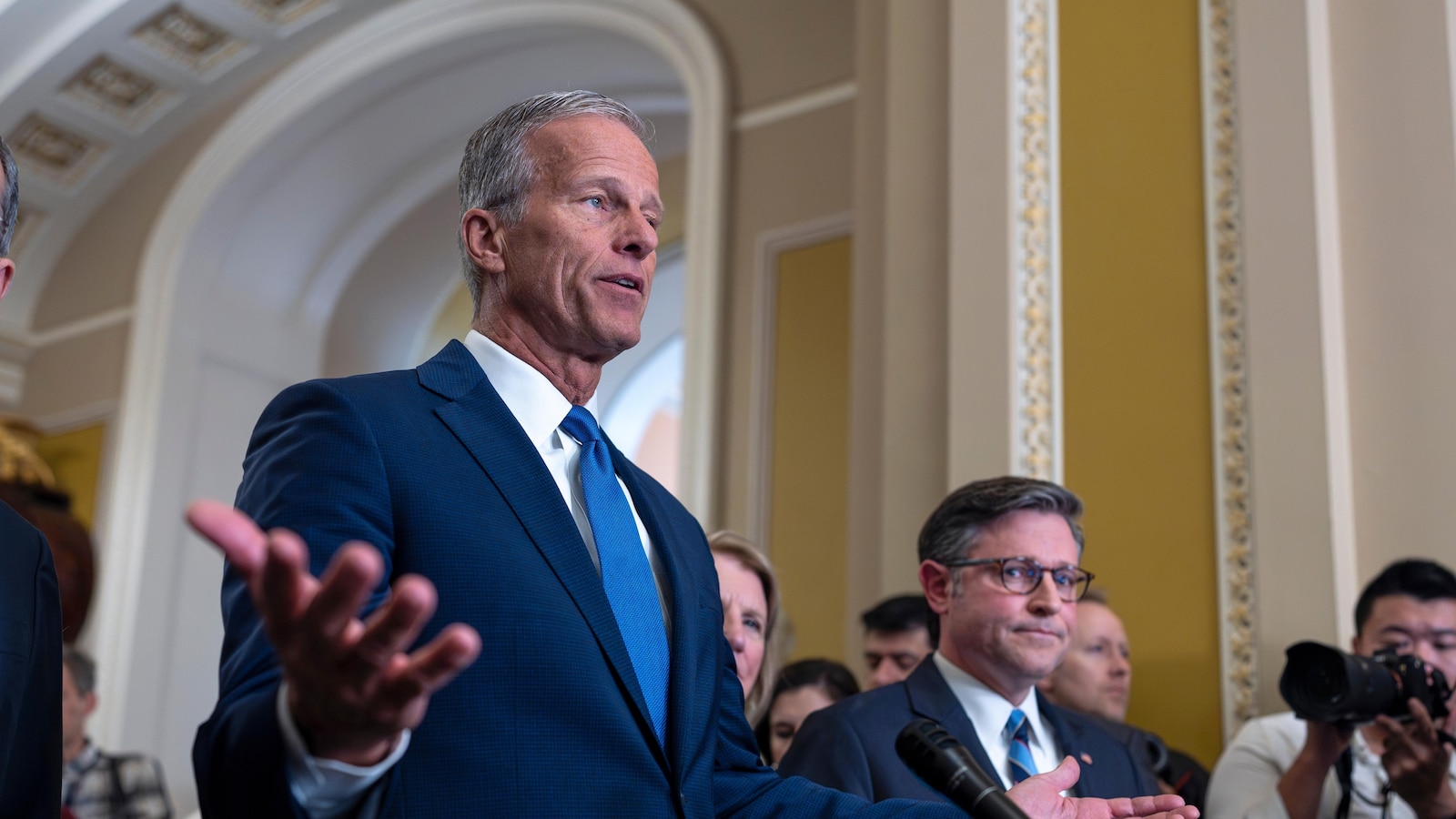
Federal government shutdown grinds into a second week, but quiet talks emerging
 Associated Press
Federal government shutdown grinds into a second week, but quiet talks emerging
 The Guardian
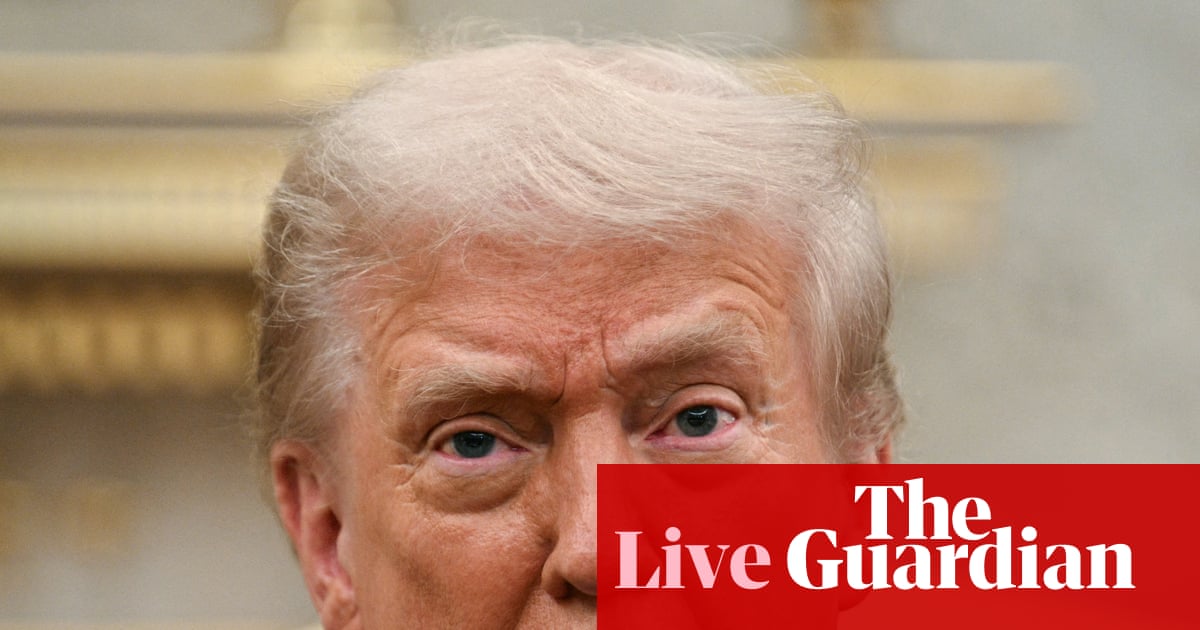
Furloughed government workers may not be entitled to back pay, reports say, as Trump claims some jobs ‘will never come back’ – live
Overview
The federal government shutdown has now entered its second week, continuing to affect approximately 750,000 federal workers who are either furloughed or working without pay.
President Trump has escalated pressure by threatening to mass fire federal workers and deny them back pay, disputing the 2019 Government Employee Fair Treatment Act's interpretation.
Public services are impacted, with tours at the Capitol halted, and essential personnel like military and TSA officers working unpaid, while critical nutrition programs face risks.
Congress remains deadlocked; the House is closed, and the Senate repeatedly fails to pass a House GOP bill to reopen government, stemming from ACA subsidy disputes.
Despite the ongoing legislative impasse and Republican belief in their political advantage, quiet negotiations are beginning to emerge, offering a glimmer of hope for resolution.
Analysis
Center-leaning sources frame this story by highlighting the White House's controversial stance on federal worker back pay during the shutdown. They emphasize the administration's search for a "loophole" in existing law, contrasting it with established guidance and a 2019 act. This approach collectively casts the White House's actions as potentially undermining worker protections and creating further uncertainty.
FAQ
Not all federal workers are furloughed. Some essential employees, such as those in the military, TSA, and certain agencies, are still required to work without pay. Non-essential employees are furloughed and cannot work or receive pay during the shutdown.
President Trump disputes the interpretation of the 2019 Government Employee Fair Treatment Act, which guaranteed back pay for furloughed workers during previous shutdowns. He believes that threatening mass firings and withholding back pay could force Congress to act, despite the bipartisan precedent for back pay.
Critical public services are disrupted: tours at the Capitol are cancelled, and essential workers, including military and TSA officers, are working unpaid. Nutrition assistance programs are at risk of running out of funding, potentially affecting vulnerable populations.
Congress remains deadlocked, with the Senate repeatedly failing to pass bills to reopen the government due to disputes over ACA subsidies. However, private negotiations have quietly begun, suggesting a possible avenue for compromise, though no resolution is imminent.
A prolonged shutdown could lead to increased absenteeism as unpaid workers seek alternative employment, further eroding public services. Previous shutdowns disrupted agency operations, delayed federal contracts, and had a measurable impact on economic growth, particularly if critical services and benefits are interrupted for extended periods.