US Imposes New Tariffs on China Amidst Scheduled Trump-Xi Meeting and Reported De-escalation
President Trump announced a 100% tariff on Chinese goods for November 1, despite a planned meeting with President Xi Jinping and reported decreased tensions. China defends its rare earth curbs.
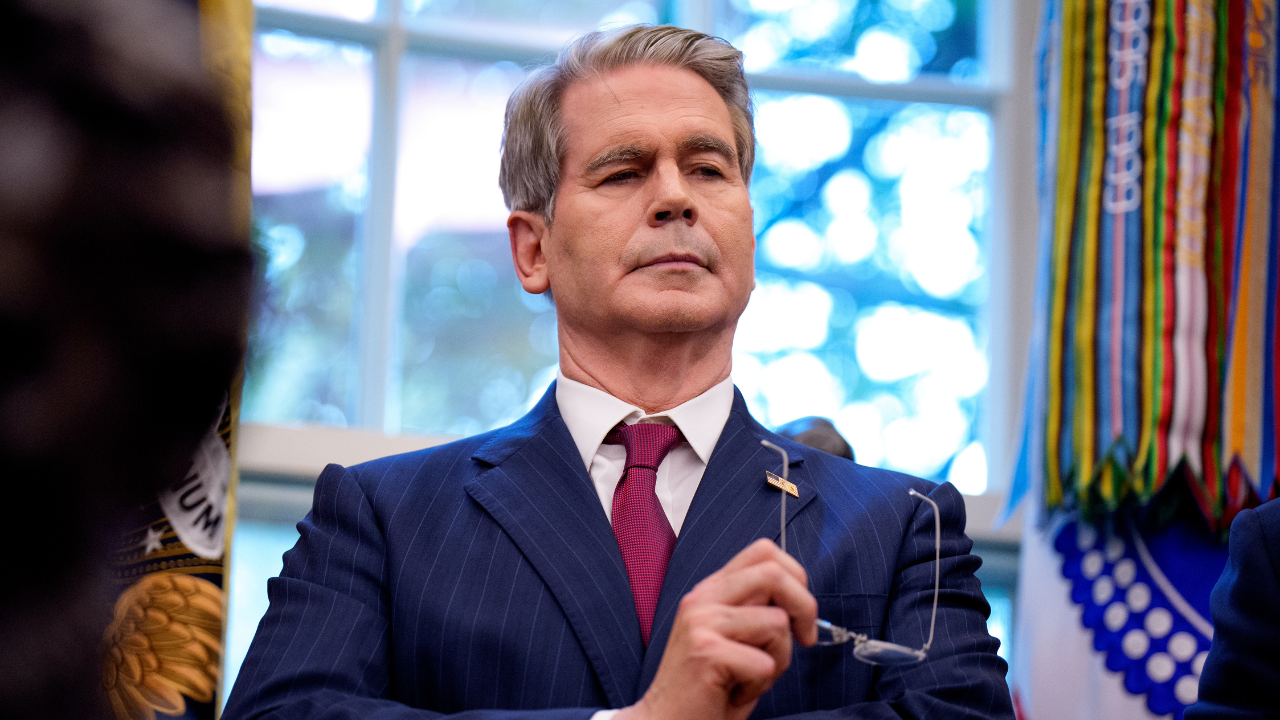
 Fox Business
China blasts new US trade curbs, as Treasury secretary notes talks back on track

 Al Jazeera
Trump-Xi meeting still on despite trade tensions, says US’s Bessent

 USA TODAY
Trump's meeting with Xi appears back on as US softens tone with China after tariff threat

 New York Daily News
China shows no sign of backing down while issuing call for US to withdraw tariff threat
Overview
President Trump announced a 100% tariff on Chinese goods, effective November 1, escalating trade tensions despite ongoing communications between the two nations.
Despite the new tariff announcement, President Trump and Chinese President Xi Jinping are still expected to meet in South Korea at the end of October, according to US officials.
US Treasury Secretary Scott Bessent reported a significant decrease in trade tensions between the US and China, attributing this positive shift to recent bilateral communications.
China has defended its new export curbs on rare earth elements, requiring foreign companies to obtain Beijing's approval, which remains a point of contention in trade relations.
The escalating dispute follows a 27% decline in Chinese exports to the U.S. over six months, with China previously urging the U.S. to retract all tariff threats.
Analysis
Center-leaning sources cover the story neutrally by presenting a balanced account of the escalating trade tensions between the US and China. They report on both President Trump's initial tariff threats and his subsequent conciliatory remarks, alongside China's firm stance and calls for negotiation. The coverage includes perspectives from both governments and notes economic impacts, allowing readers to form their own conclusions.
FAQ
President Trump announced a 100% tariff on Chinese goods effective November 1, which will be added on top of existing tariffs, along with export restrictions on all critical software technologies to China.
China has defended its tightened export controls on rare earth minerals and elements, requiring foreign companies to obtain Beijing's approval, viewing these controls as necessary for national security and sustainable development. China also imposed new export limits on rare earth elements crucial to high-tech products.
Yes, according to US officials, President Trump and President Xi Jinping are still expected to meet at the APEC summit in South Korea at the end of October, despite the recent announcement of tariffs and reported trade tensions.
The escalation of trade tensions caused sharp declines in Asian financial markets, including a drop of approximately 1-2% in major indices like the Nikkei 225, Hang Seng, and CSI300. In the US, Wall Street experienced its steepest single-day decline since April 2025, with the S&P 500 dropping 2.71%, reflecting investor concerns over supply chain disruptions and heightened uncertainty.
China's stricter export controls on rare earth minerals, essential for high-tech products like electronics and magnets, have disrupted global supply chains, led to price volatility in rare earth markets, and accelerated international efforts to find alternative sources outside China. This exacerbates tensions as rare earth elements are strategically important for technology and defense industries.
