Trump's Argentina Beef Import Plan Sparks Widespread Opposition from US Ranchers and Rural Republicans
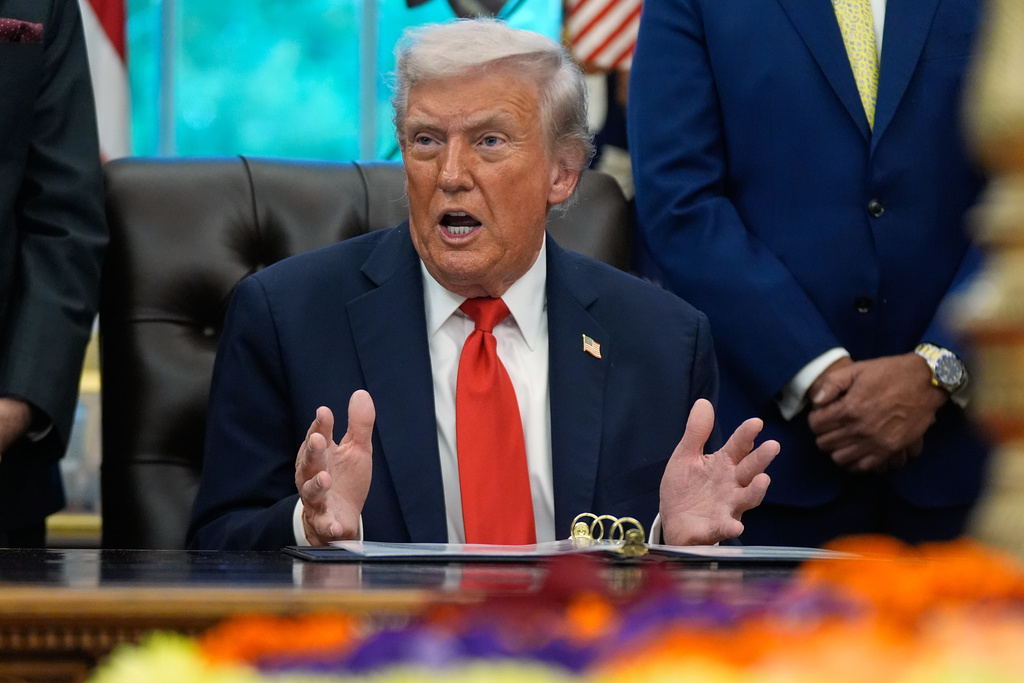
President Trump's plan to import Argentine beef to lower prices faces strong opposition from American cattle ranchers and rural-state Republicans, feeling undercut by his policies.





Overview
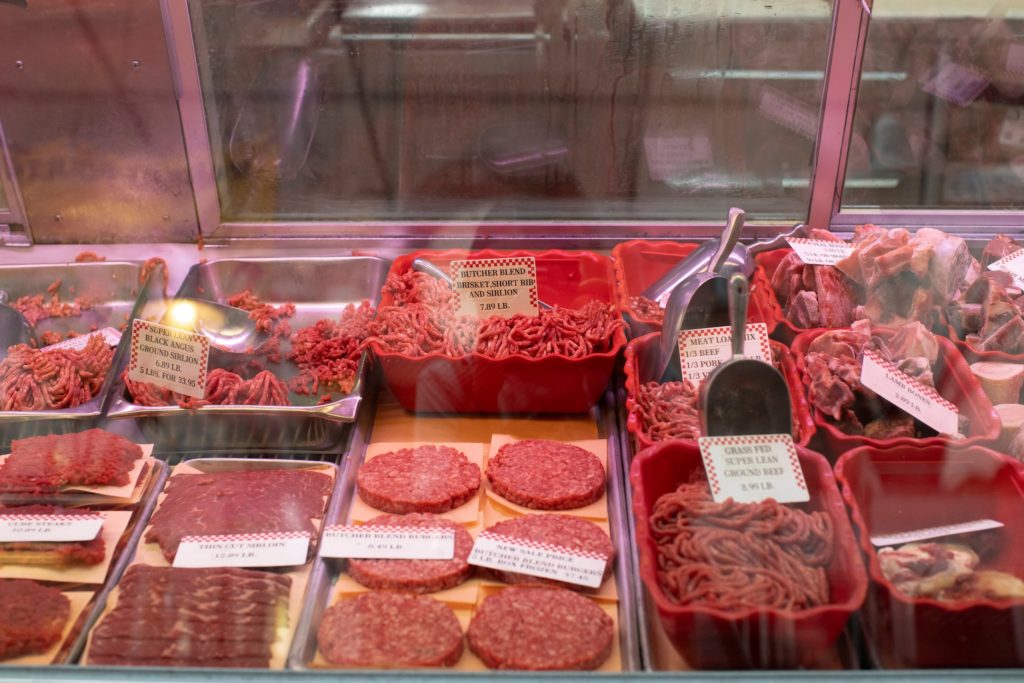
President Trump is urging American cattle ranchers to lower beef prices, aiming to make beef more affordable for consumers across the nation.
To achieve lower prices, Trump is reportedly considering importing beef from Argentina, a move linked to ongoing tariff battles and market adjustments.
This potential import plan has sparked significant opposition from American farmers, ranchers, and cattle producers nationwide, fearing market disruption.
Rural-state Republicans are also opposing Trump's Argentina beef import plan, expressing concerns that his policies could undercut domestic producers and their livelihoods.
The proposed beef imports have created a notable rift with cattle ranchers, who feel their livelihoods are directly threatened by the administration's approach to pricing.
Analysis
Center-leaning sources frame this story by highlighting Senator Thune's "rare break" with President Trump on Argentine beef imports, contrasting it with their "total unity" on the government shutdown. They emphasize the unusual nature of the disagreement through language like "digging in" and "mired," focusing on Thune's perspective and the political implications for the GOP.
FAQ
President Trump is considering importing beef from Argentina to increase the beef supply and lower prices for consumers, as domestic beef prices have surged due to declining cattle inventory reaching the lowest level in decades.
American cattle ranchers and rural-state Republicans oppose the Argentina beef import plan because they fear it will undercut domestic producers, disrupt the market, and threaten their livelihoods.
Imports from Argentina are expected to be relatively small compared to total U.S. beef consumption, which is about 12 million metric tons annually, with 10 million produced domestically and 2 million typically imported from other countries.
There is concern about the potential spread of foot-and-mouth disease from Argentine cattle to U.S. livestock, which could severely harm domestic livestock production if introduced.
The USDA plans to closely monitor Argentine beef imports to prevent the introduction of foot-and-mouth disease into the U.S. cattle supply.
