Former Vice President Dick Cheney Dies at 84, Remembered for Public Service and Political Impact
Former Vice President Dick Cheney died at 84 from pneumonia and cardiac complications. He was a key figure in the Bush administration, later criticizing President Trump.
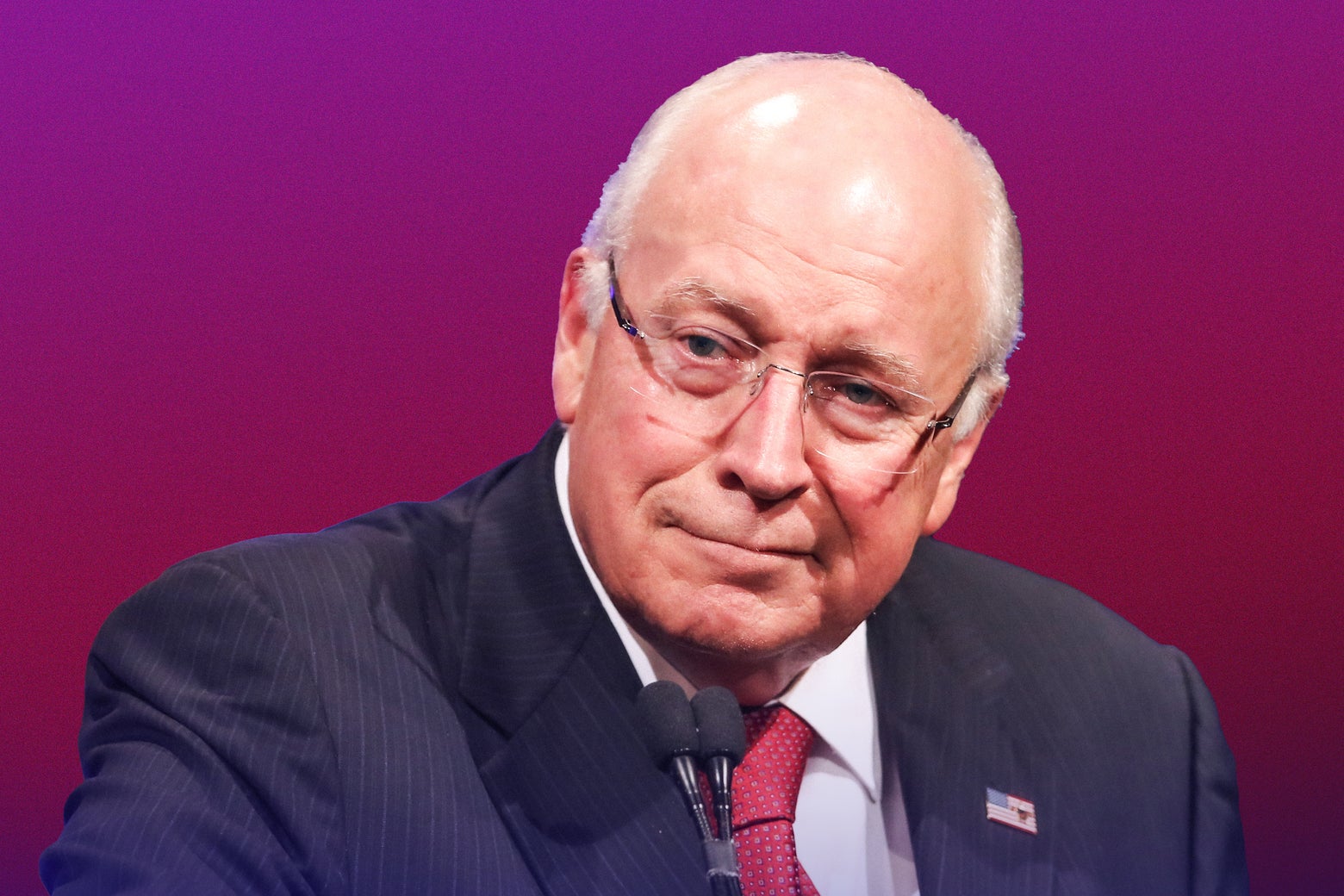


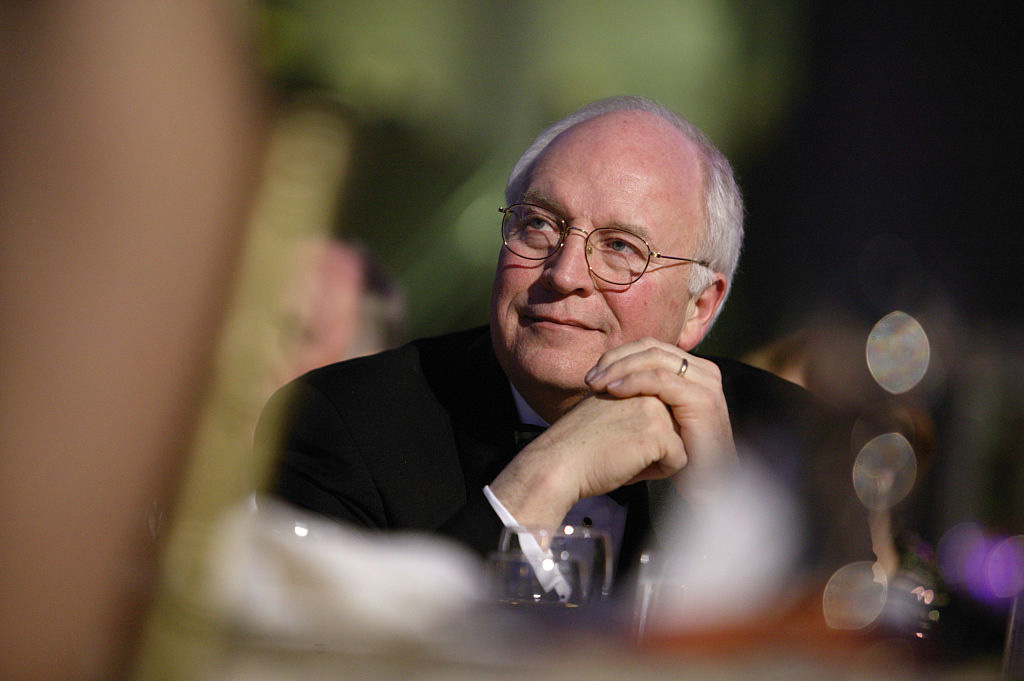

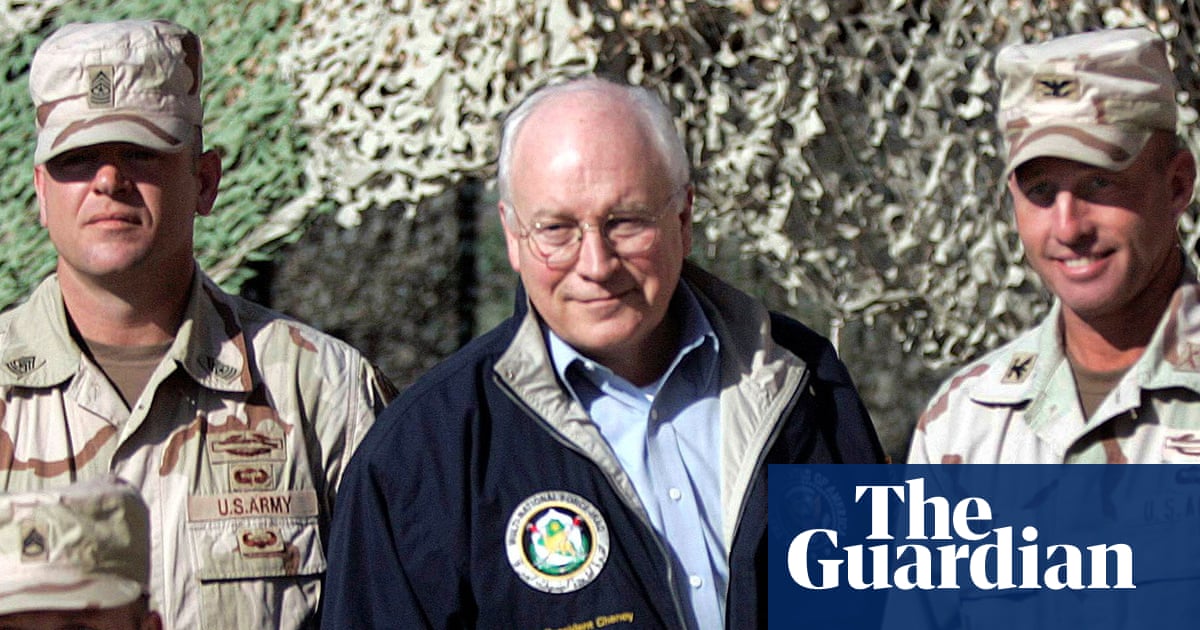

Overview
Former Vice President Dick Cheney passed away at the age of 84, with his death attributed to complications arising from pneumonia, cardiac, and vascular disease.
Cheney is survived by his wife Lynne, daughters Mary and Liz, and several grandchildren, who mourn his passing after a long career in public service.
He served as Vice President under President George W. Bush (2001-2009), playing a significant role in the administration's policies, notably the 2003 Iraq invasion.
In later years, Cheney became a prominent critic of President Donald Trump, labeling him a threat to the republic after the January 6 insurrection.
Former President George W. Bush and other political figures have offered their condolences, remembering Cheney as a dedicated and honorable public servant.
Analysis
Center-leaning sources frame Dick Cheney's legacy by highlighting his "powerful and controversial" career, particularly emphasizing his role in the Iraq War and "war on terror" policies. They detail the negative consequences of these actions, such as the failure to find WMDs and the destabilization of the Middle East, often using evaluative language to underscore his divisive impact.
FAQ
Dick Cheney was a central figure in the George W. Bush administration, notably shaping national security policy after the 9/11 attacks, advocating for the 2003 invasion of Iraq, and playing a significant role in the response to Hurricane Katrina. He also influenced the administration’s approach to counterterrorism, including enhanced interrogation techniques and surveillance programs.
Dick Cheney became a vocal critic of Donald Trump following the January 6, 2021, Capitol insurrection, labeling Trump a threat to the nation’s democratic institutions. Cheney, a lifelong Republican, was particularly concerned about Trump’s efforts to overturn the 2020 election results and his rhetoric undermining the peaceful transfer of power.
Dick Cheney remained a staunch Republican throughout his life but prioritized his concern for the republic’s stability over party loyalty in his later years. His criticism of Trump marked a rare instance of a senior Republican leader publicly rebuking a sitting or former president from their own party, reflecting his belief that constitutional norms and national security should transcend partisan politics.
Former President George W. Bush and other political leaders have offered condolences, remembering Cheney as a dedicated and honorable public servant. These tributes highlight his decades of service, influence on national security policy, and his role as a key advisor and statesman.
Dick Cheney had a close working relationship with Donald Rumsfeld, dating back to their time in the Nixon and Ford administrations, where they both held significant national security roles. As Vice President, Cheney was a trusted advisor to President George W. Bush, often described as one of the most influential vice presidents in U.S. history due to his hands-on involvement in key policy decisions.