US Extends Sanctions Relief as Syrian President Al-Sharaa Visits White House, Signaling International Re-engagement
Syrian President Ahmed Al-Sharaa met President Trump at the White House, a historic visit. The US extended sanctions relief, signaling Syria's re-engagement, causing Israeli trepidation.
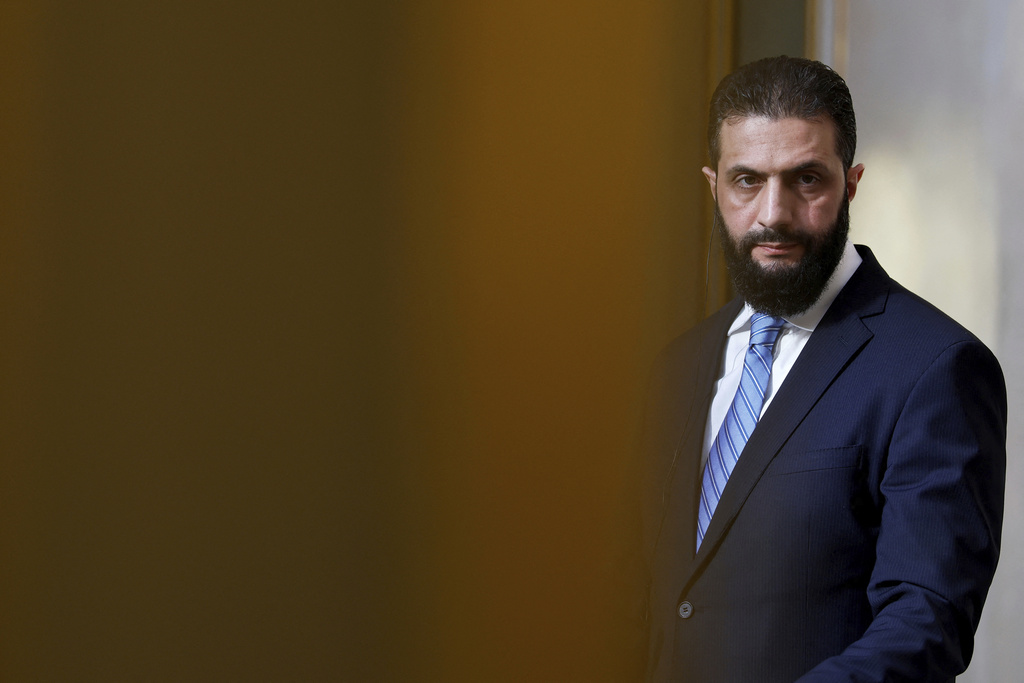
 New York Sun
Quiet White House Visit by Syria’s Acting President Causes Trepidation in Israel

 Al Jazeera
Ahmed al-Sharaa meets Trump as US extends Syria sanctions relief
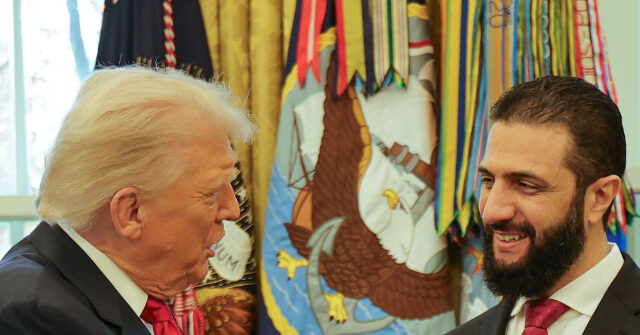
 Breitbart News
Syria’s Sharaa Meets with President Trump at White House
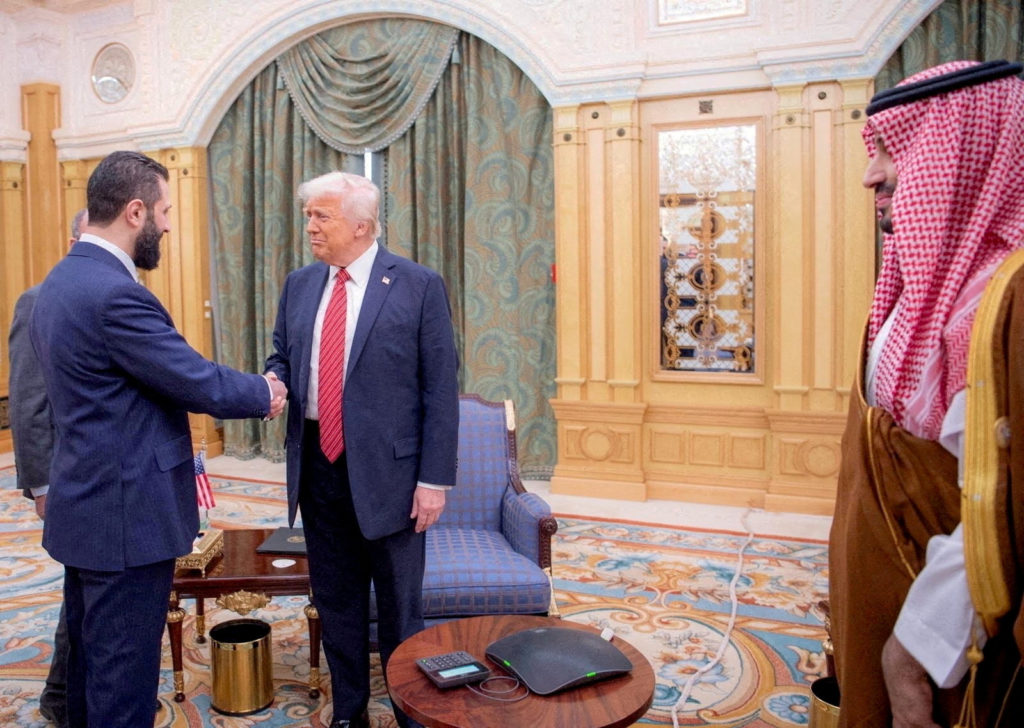
 PBS NewsHour
Trump is hosting Syria's al-Sharaa for a first-of-its-kind meeting at the White House
Overview
Syrian President Ahmed Al-Sharaa made a historic visit to the White House, meeting President Trump for the first time since 1946, marking a significant diplomatic engagement.
The US extended sanctions relief by suspending Caesar Act sanctions for six months, with exceptions for transactions involving Russia and Iran, addressing Al-Sharaa's request for repeal.
This visit and sanctions relief are leading to the US and European countries slowly welcoming Syria back into the international fold, with Al-Sharaa greeted by supporters.
The quiet, 90-minute meeting concluded with Al-Sharaa leaving through a back entrance, causing trepidation in Israel regarding Syria's potential international re-acceptance.
Washington hopes to persuade Syria to join the U.S.-led Global Coalition to Defeat ISIS, while faith leaders urged addressing minority rights and protecting Christians and Druze.
Analysis
Center-leaning sources frame this story by emphasizing the dramatic transformation of Syrian President Al-Sharaa from a designated terrorist to a welcomed head of state. They highlight the "stunning reversal" and "unlikely rise," focusing on the U.S. administration's shift in policy and Al-Sharaa's efforts to rebrand himself and his country, underscoring a new era of engagement.
FAQ
The US suspended the Caesar Act sanctions for six months, allowing exceptions only for transactions involving Russia and Iran. This suspension effectively lifted most sanctions on Syria, except for targeted ones on certain individuals and entities.
Israel is apprehensive because Syria's re-acceptance into the international fold could shift regional dynamics, potentially increasing Syria's political and military leverage, which may threaten Israeli security interests.
The US aims to support Syria's stability and peace, encourage economic rebuilding, protect minority rights, and persuade Syria to join the US-led Global Coalition to Defeat ISIS.
No, sanctions remain on Bashar al-Assad and his associates, human rights abusers, Captagon traffickers, ISIS and Al-Qa'ida affiliates, as well as on transactions involving Russia and Iran.
It was the first visit by a Syrian president to the White House since 1946, marking a significant moment in US-Syria diplomatic relations after years of sanctions and isolation.
