Israeli Prime Minister Netanyahu Requests Pardon in Corruption Trial, Drawing Strong Reactions
Israeli Prime Minister Benjamin Netanyahu requested a pardon from President Herzog during his historic corruption trial for fraud, breach of trust, and bribery, drawing mixed reactions.

 PBS NewsHour
Netanyahu requests pardon from Israeli president during his ongoing corruption trial

 Chicago Tribune
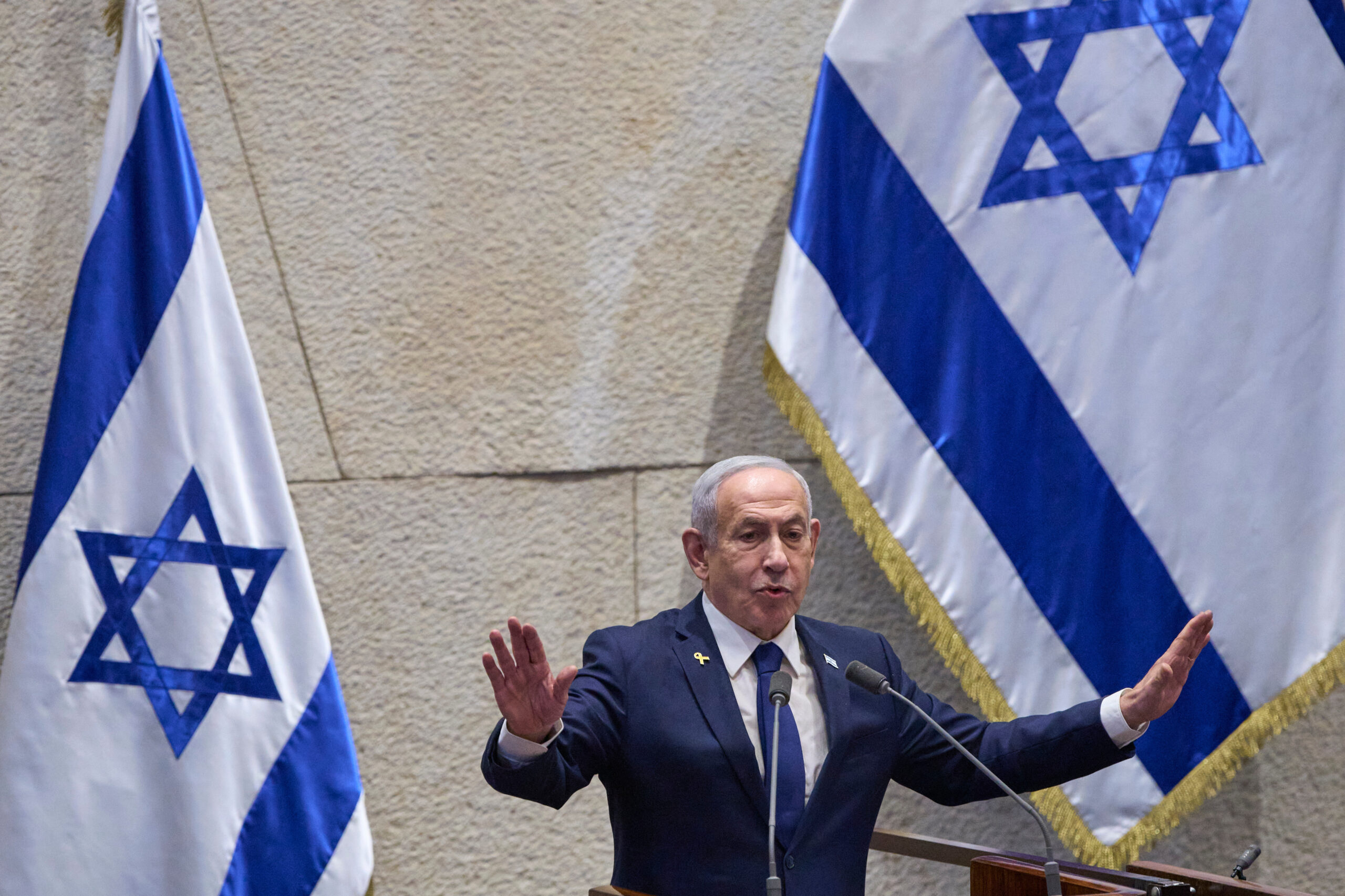
What to know about Netanyahu’s request for a pardon in corruption trial
 New York Sun
Netanyahu Seeks Pardon as Decade-Long Corruption Investigation Proceeds With No End in Sight
 Epoch Times
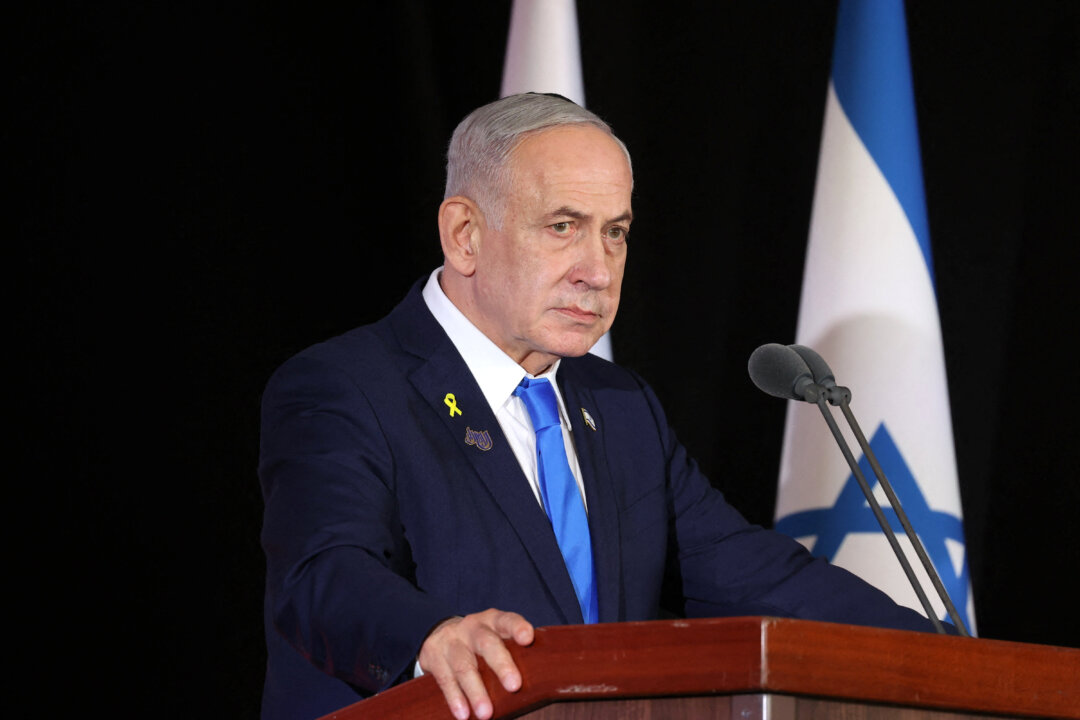
Israeli Prime Minister Netanyahu Seeks Pardon in Corruption Trial
Overview
Israeli Prime Minister Benjamin Netanyahu, the first sitting PM to face trial, formally requested a pardon from President Isaac Herzog amidst his ongoing corruption trial for fraud, breach of trust, and bribery.
Legal experts unanimously confirm that Netanyahu's pardon request will not halt or impact his corruption trial, as pardons are rarely granted in Israel before a conviction.
The pardon request has elicited strong reactions, with opposition politicians expressing indignation, while some Israelis and government ministers show support, urging the nation to move forward.
Netanyahu denies all corruption allegations, labeling the case a "witch hunt" and presenting himself as a victim of a "deep state" conspiracy, while consistently seeking trial delays.
Many Israelis, including hostage parents, are angered by trial delays, and opponents warn that granting a pardon could potentially undermine Israel's democratic institutions and unity.
Analysis
Center-leaning sources cover the story neutrally, focusing on factual reporting of Israeli Prime Minister Netanyahu's pardon request. They present a balanced array of perspectives, including his rationale, opposition arguments, and legal expert opinions, without employing loaded language or selective emphasis to sway reader perception.
FAQ
No, a presidential pardon in Israel cannot stop or impact an ongoing trial. Pardons are typically only considered after a conviction, and legal experts agree that Netanyahu's request will not halt his trial.
Netanyahu faces charges of bribery, fraud, and breach of trust in three separate cases related to his relationships with Israeli businessmen and media figures.
Reactions have been mixed. Opposition politicians are indignant, warning that a pardon could undermine democratic institutions, while some Israelis and government ministers support the request, urging national unity.
No, Netanyahu has not admitted guilt. He continues to deny all allegations, calling the trial a 'witch hunt' and a 'deep state' conspiracy.
Granting a pardon before a conviction would be highly unusual in Israel and could set a controversial precedent, potentially undermining public trust in democratic institutions and the rule of law.