Indiana GOP Rejects Trump-Backed Redistricting Plan Despite Pressure and Threats
Indiana's Republican-led Senate rejected a Trump-backed redistricting plan, designed to secure all nine House seats, despite presidential pressure and threats, marking a rare GOP defiance.
 Associated Press
Trump was unable to insult his way to victory in Indiana redistricting battle

 Daily Caller
'Colossally Stupid': Nuclear-Level Fallout Could Be In Store After GOP Redistricting Failure
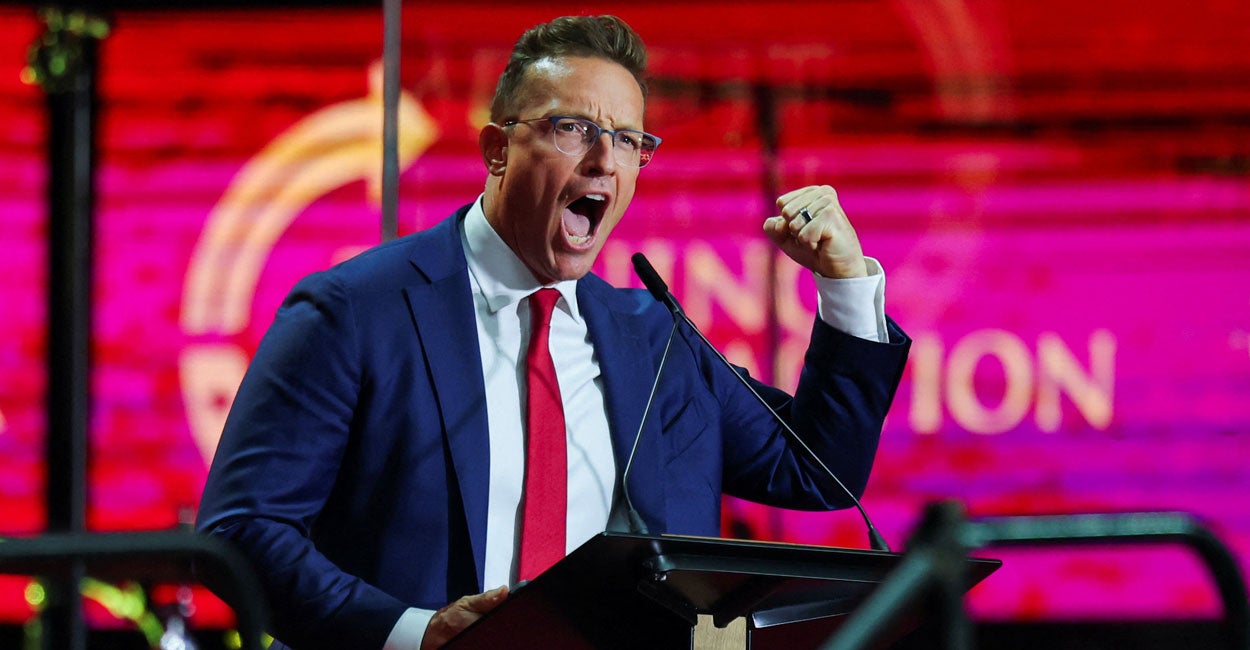
 Daily Signal
'The Cavalry Is Coming': After Redistricting Failure, Conservatives Prepare for War in Indiana

 CNN
CNNDemocrats celebrated Indiana Republicans refusing to redistrict. They’re still moving ahead with their own redistricting push | Politics
Overview
The Indiana State Senate rejected a Trump-backed congressional redistricting plan by a 31-19 vote, with 21 Republicans joining 10 Democrats in opposition.
The proposed map aimed to give Republicans full control of all nine House seats in Indiana, a move that went against appeals from President Trump.
President Trump criticized opposing Indiana Republicans, threatening primary challenges and expressing "restrained ire" towards Senate President Rodric Bray for the rejection.
Republican senators, including Greg Goode and Spencer Deery, cited concerns about harming public faith in election integrity and their duty to represent constituents.
Lawmakers faced death threats and swatting attacks over the vote, with the rejection marking a rare rebuke of Trump by the GOP and easing pressure on Illinois Democrats.
Analysis
Center-leaning sources appear neutral, focusing on factual reporting of the Indiana Senate's rejection of the redistricting bill. They provide balanced coverage of the political pressure from Trump and the reasons for the vote, including lawmakers' concerns about mid-decade gerrymandering and the threats they faced. The reporting consistently attributes strong opinions to specific individuals, maintaining an objective narrative.
FAQ
The 21 Republicans opposed the GOP redistricting plan due to disagreements within the party over the proposed boundaries and concerns about the fairness and political implications of the plan, leading to bipartisan rejection.
Rejecting the GOP redistricting plan means that the existing or alternative district boundaries will be used, potentially affecting party advantages, candidate strategies, and voter representation in the 2026 midterm elections.
President Trump pledged to support primary challenges against Republicans who voted against the redistricting plan, increasing political tensions and applying pressure on GOP members to align with his position.
Governor Mike Braun expressed disappointment over the bill's failure and vowed to challenge senators who do not support GOP interests, indicating a proactive stance to enforce party cohesion.
Vice President JD Vance criticized Senate President Rodric Bray for his handling of the redistricting issue, pointing to disagreements and fractures within the Indiana GOP over the approach to redistricting.