President Trump Issues Executive Order to Block State AI Regulations After Congressional Omission
President Trump issued an executive order to block state AI regulations, directing federal agencies to challenge them. This aims for a unified national AI framework, following congressional omission.

 Chicago Tribune
Trump signs executive order to block state AI regulations
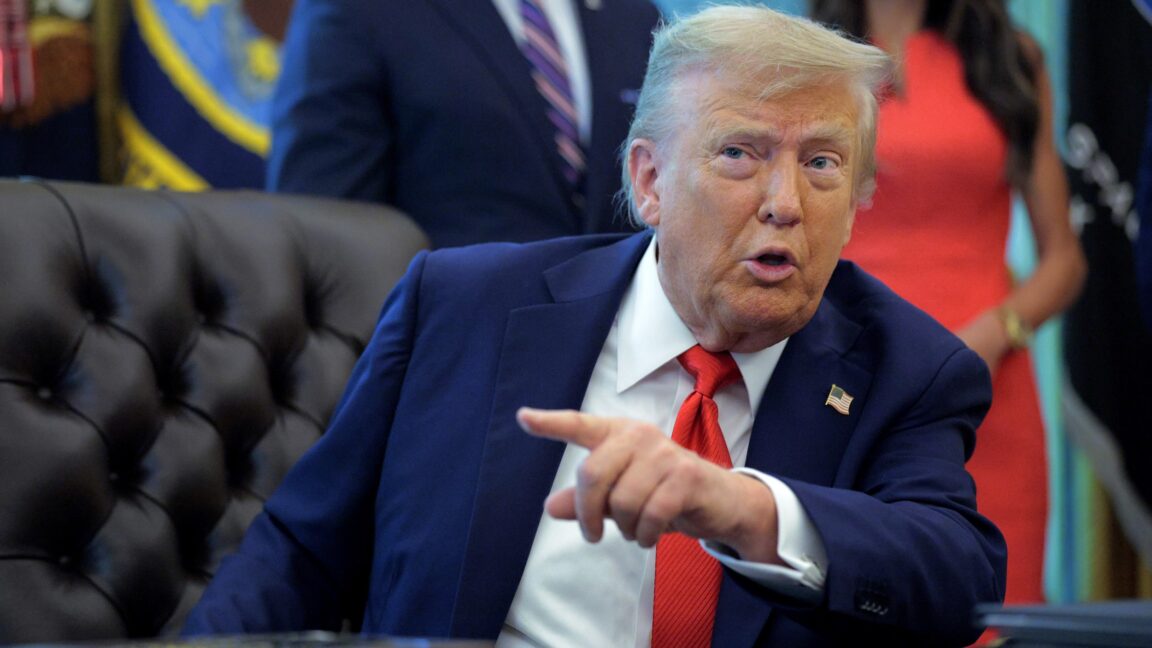
 ARS Technica
Trump tries to block state AI laws himself after Congress decided not to

 TechCrunch
Trump’s AI executive order promises 'one rulebook' — startups may get legal limbo instead
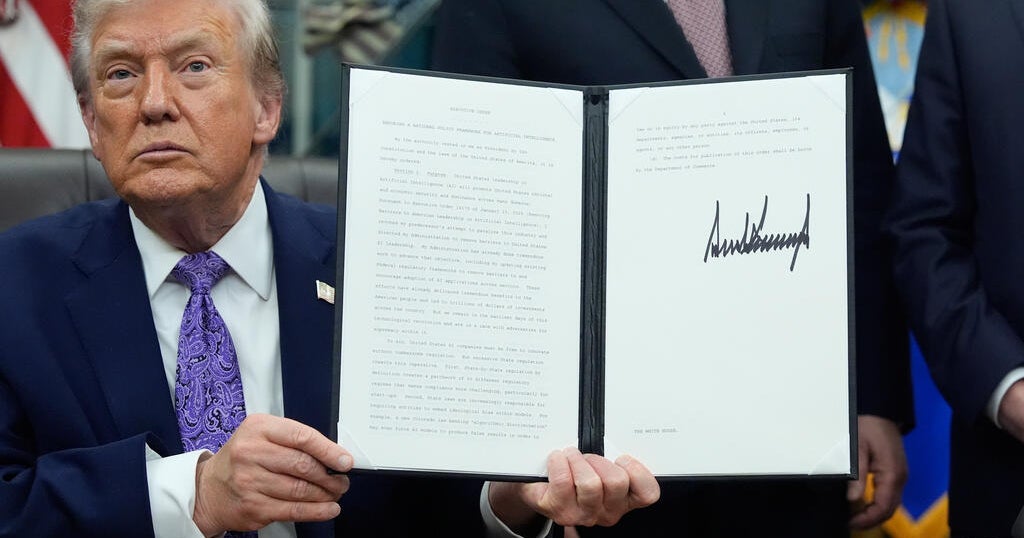
 CBS News
Trump signs executive order to block "excessive" state AI regulations
Overview
President Trump issued an executive order to block state AI regulations, aiming for a unified national framework and preventing diverse state laws from hindering innovation.
This executive order followed Congressional Republicans' decision not to include a Trump-backed plan to block state AI laws in the National Defense Authorization Act.
The order directs federal agencies to challenge existing state AI laws and threatens to withhold federal funding from states that have enacted their own regulations.
The Commerce Department is tasked with evaluating and compiling a list of state AI laws deemed "onerous and conflicting with policy" within 90 days.
Four states, including Colorado, California, Utah, and Texas, have already enacted private sector AI regulations, prompting this federal intervention and sparking debate.
Analysis
Center-leaning sources provide a neutral and comprehensive overview of Trump's executive order on AI regulation. They detail the order's intent to preempt state laws, citing economic competitiveness and avoiding a "regulatory morass." Simultaneously, they extensively cover bipartisan opposition, legal challenges, and concerns from various stakeholders, presenting a balanced account of a contentious policy.