President Trump Declares Fentanyl a 'Weapon of Mass Destruction' Amid Rising Death Tolls
President Trump declared fentanyl a 'weapon of mass destruction,' triggering mandatory sentences and federal action against the drug, a leading cause of death for young Americans.
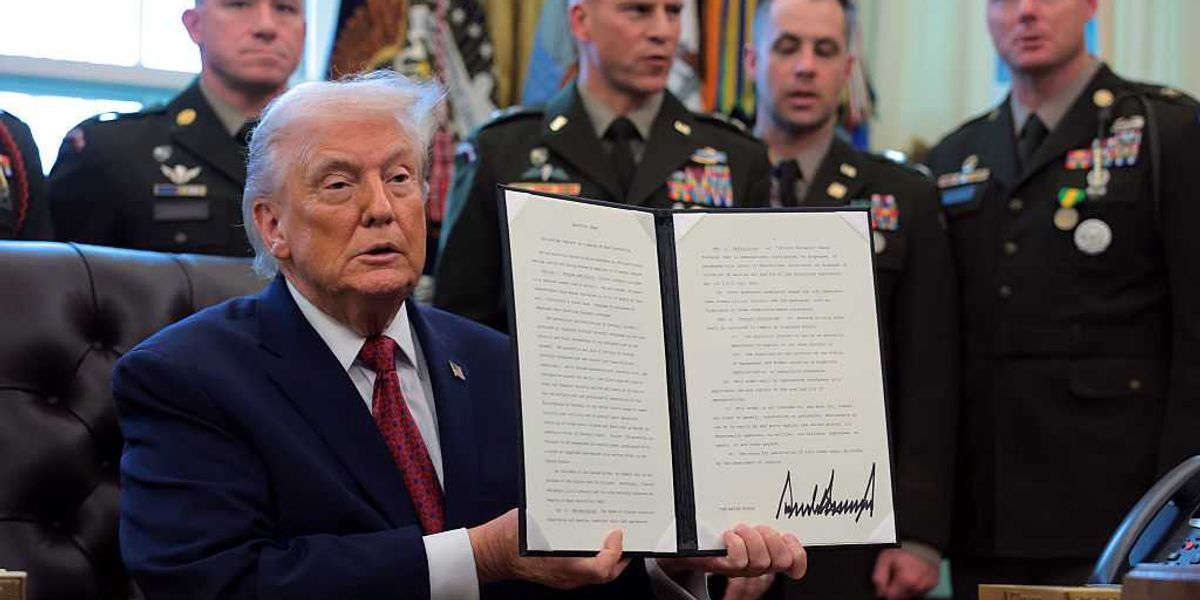
 The Blaze
Trump designates deadly drug a weapon of mass destruction

 Techdirt
Trump Declares Fentanyl To Be A ‘Weapon Of Mass Destruction’ So He Can Get Back To Boat Strikes And Martial Law
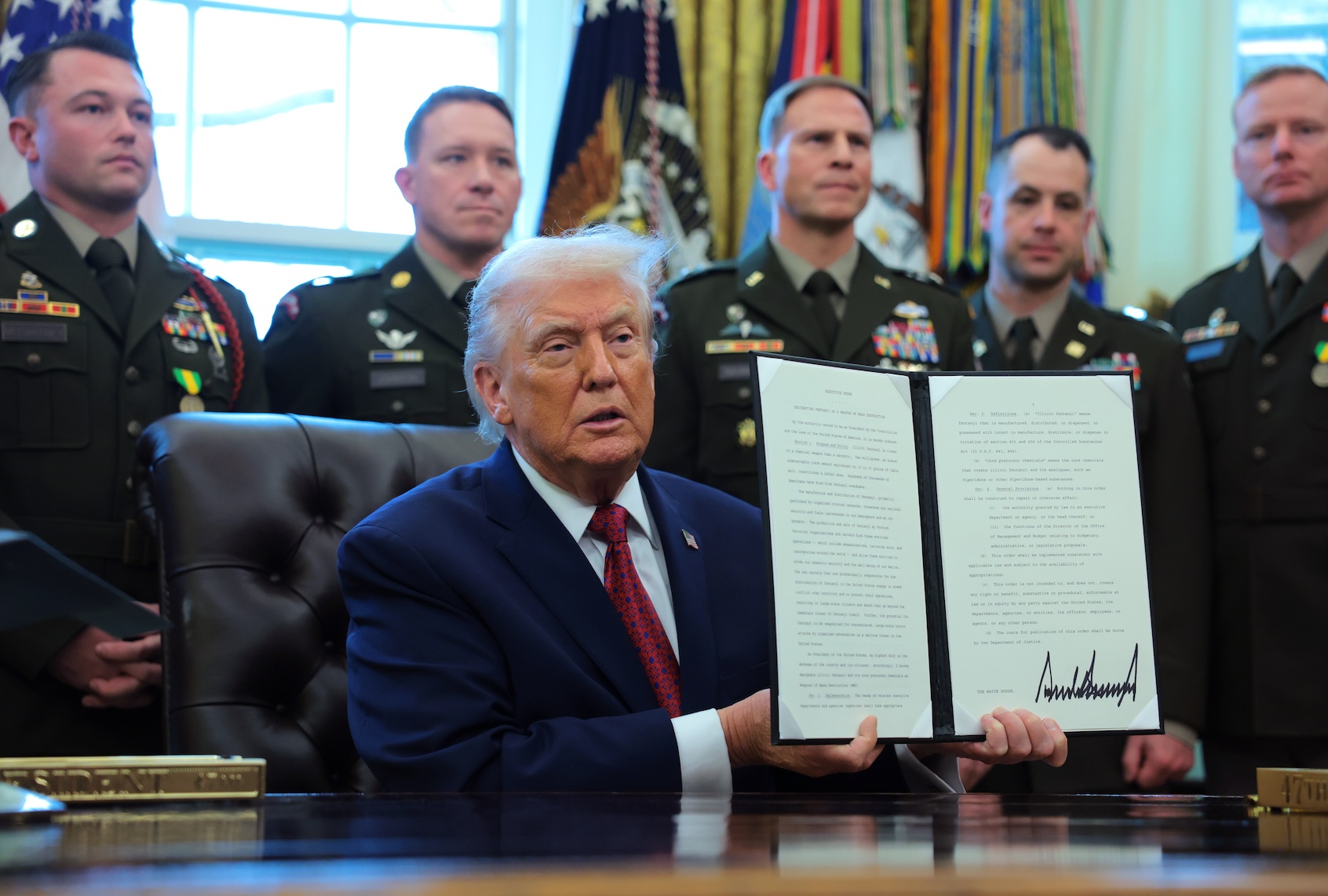
 Salon
Salon"Twisting the meaning of words": Trump declares fentanyl a "weapon of mass destruction"
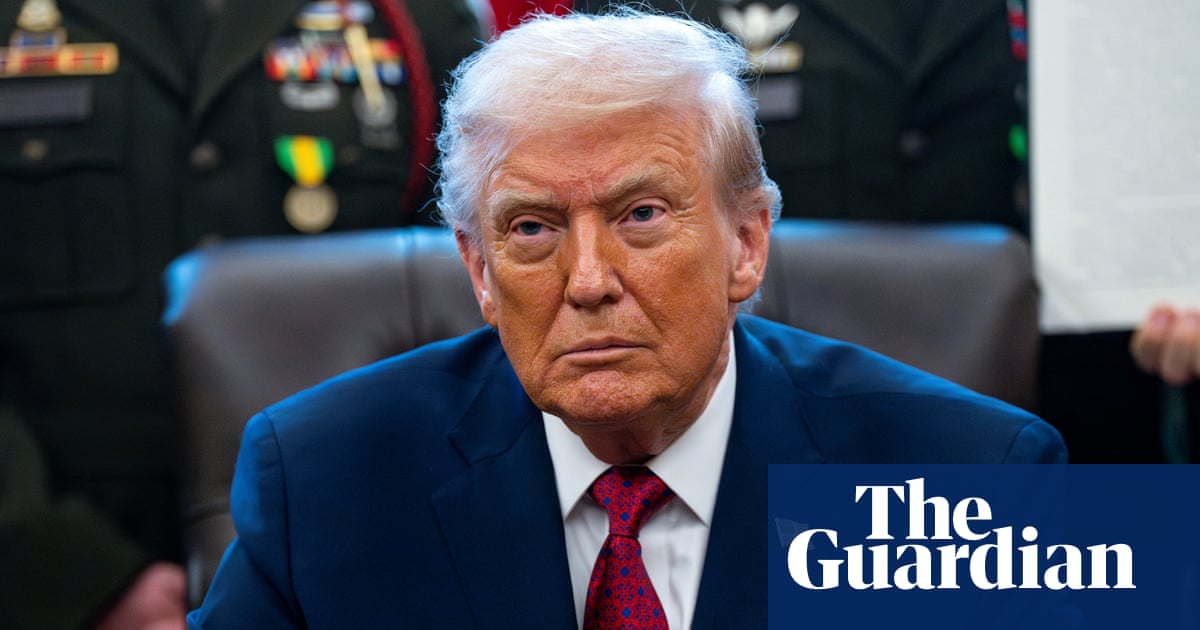
 The Guardian
Trump brands fentanyl a ‘weapon of mass destruction’ in drug war escalation
Overview
President Trump signed an executive order classifying fentanyl as a 'weapon of mass destruction,' leading to mandatory sentences for possession and intent to distribute, and prompting investigations.
Fentanyl has caused hundreds of thousands of American deaths, surpassing heroin, and is now the leading cause of death for individuals aged 18 to 45 years old.
The executive order directs federal agencies to eliminate the threat of illicit fentanyl and its precursor chemicals to the United States, highlighting its extreme lethality.
China is the primary source of fentanyl and related substances trafficked into the U.S., while Mexico is the largest source of illicit fentanyl bound for the US.
Fentanyl-related deaths in the U.S. were over 72,000 in 2023, with the CDC estimating over 80,000 in 2024, amidst varying perspectives on the declaration's implications.
Analysis
Center-leaning sources cover this story neutrally, focusing on reporting the facts of the executive order. They attribute the 'weapon of mass destruction' classification and associated strong language directly to President Trump or the order itself, rather than adopting it as their own editorial stance. The coverage provides context, details the order's directives, and includes relevant background information from official sources.
FAQ
The executive order classifies fentanyl as a toxic chemical weapon, directing federal agencies to treat fentanyl and its precursors under authorities used for chemical threats and to use related enforcement, interdiction, and regulatory tools to eliminate the illicit flow; experts say the designation is primarily an administrative reclassification that enables expanded use of existing authorities rather than creating a new criminal statute.
Public-health and security experts question that likelihood, noting that while fentanyl is extremely potent as an opioid and has caused large numbers of overdose deaths, practical and technical barriers make it an unlikely agent for concentrated, large-scale chemical attacks compared with conventional chemical weapons.
The administration identified China as the primary source of fentanyl and related precursor chemicals, and Mexico as the largest source of U.S.-bound illicit fentanyl shipments.
Reported fentanyl-related deaths declined to just over 72,000 in 2023, while the CDC later estimated over 80,000 deaths in 2024, updating earlier higher figures.
Experts have criticized prior actions—such as airstrikes and militarized operations—saying some targeted traffickers of other drugs (e.g., cocaine via Caribbean routes) rather than fentanyl, and have questioned the legality and effectiveness of escalated military-style tactics.
