White House Ballroom Construction Advances Amid Legal Battles and Judicial Inclination
The Trump administration's $300 million White House East Wing ballroom project is advancing. Federal judges are inclined to deny preservationist requests to halt construction, set to begin December 2025.
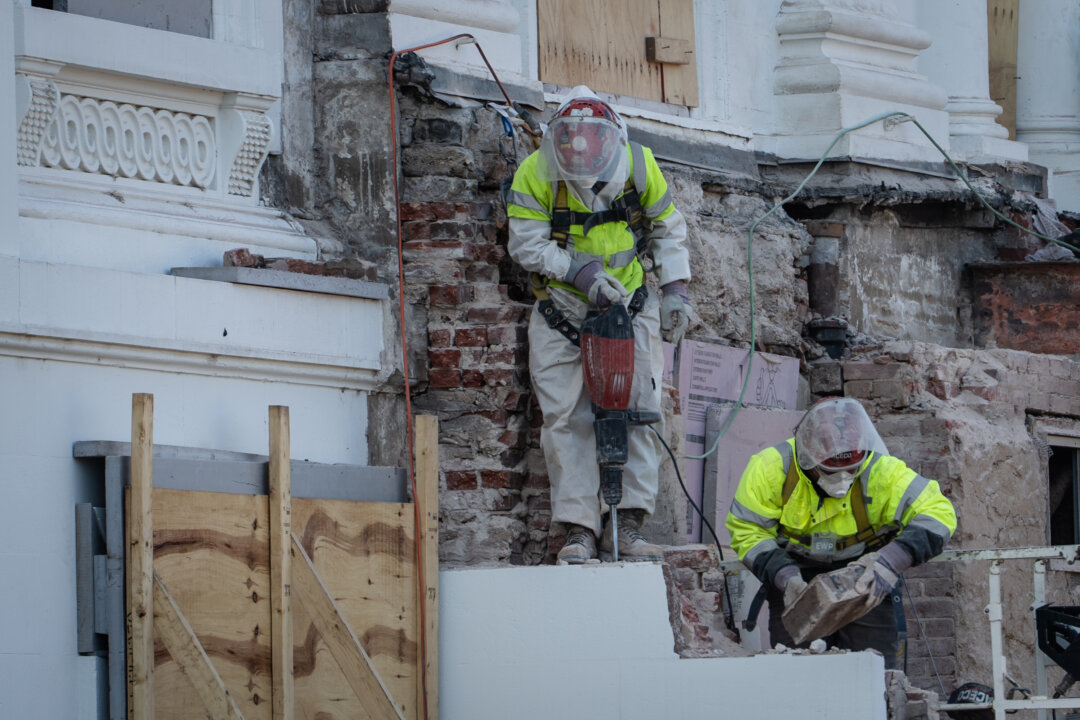
 Epoch Times
Judge Says He’s Unlikely to Block Construction of White House Ballroom, for Now

 NBC News
Federal judge allows Trump's White House ballroom construction to move forward
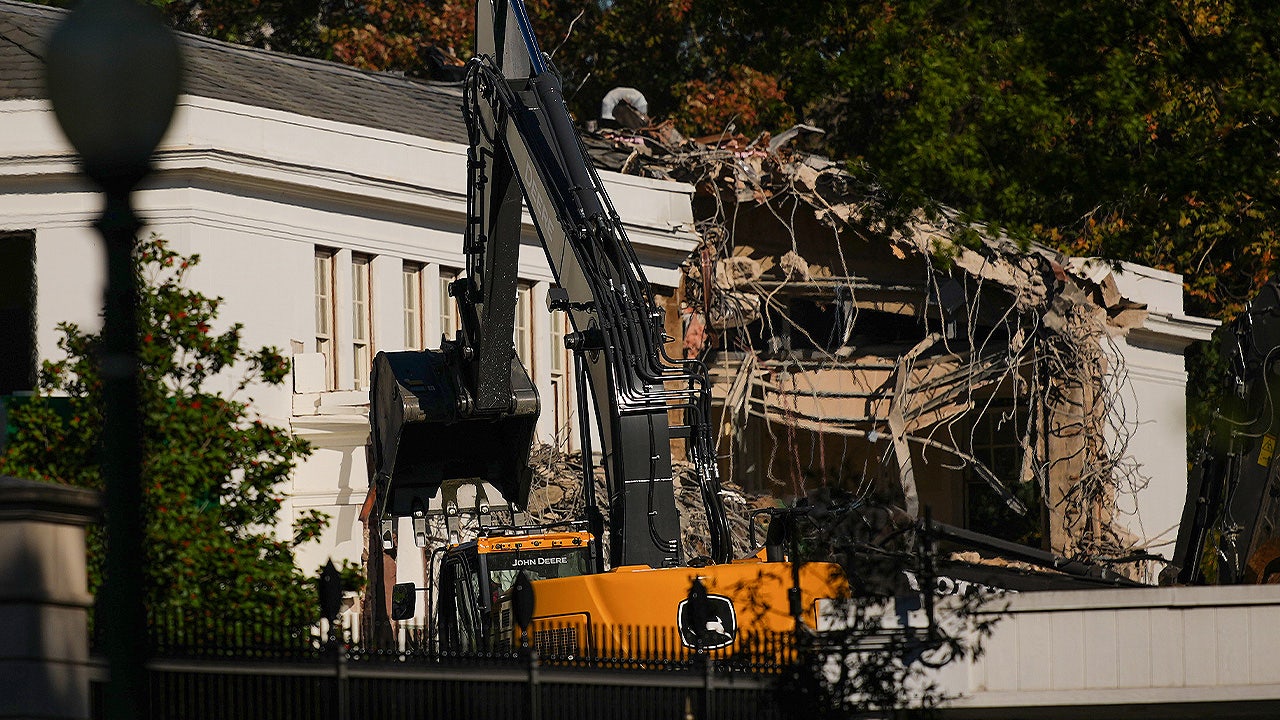
 FOX News
Judge warns Trump administration against 'irreversible' White House ballroom construction work
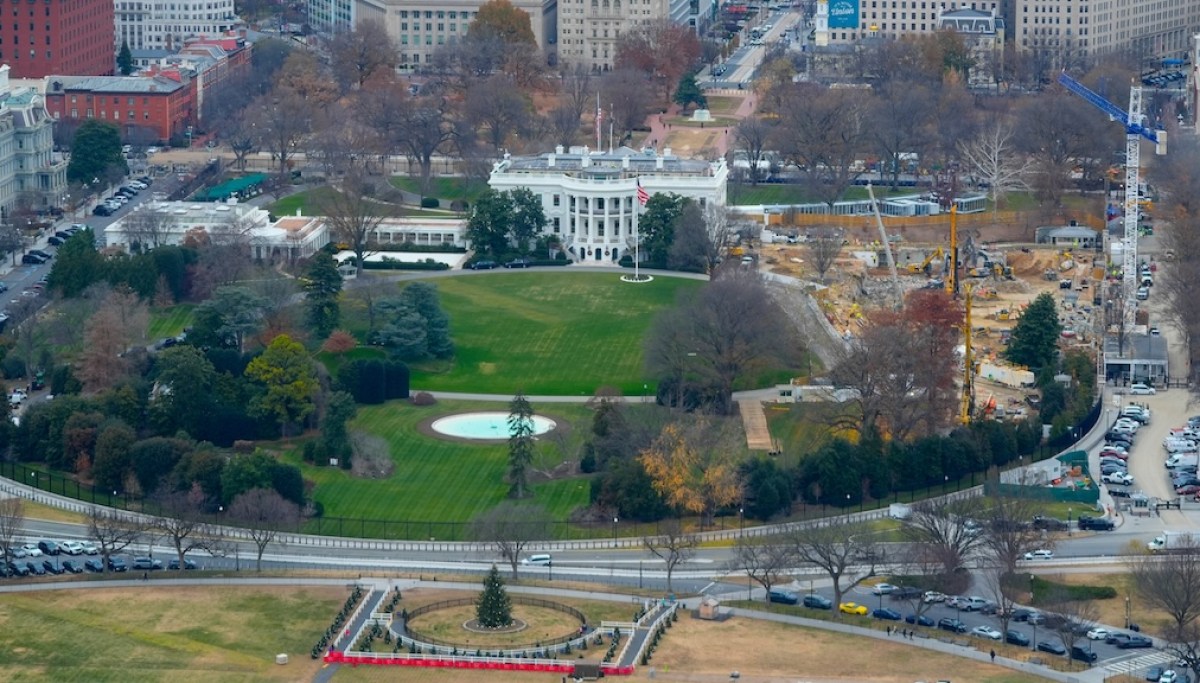
 Washington Examiner
Federal judge unlikely to block White House ballroom construction
Overview
The Trump administration is advancing a $300 million White House East Wing ballroom project, citing critical operational functionality and national security needs, supported by the US Secret Service.
This project involves demolishing a below-ground section, including an emergency bunker, which has raised national security concerns and sparked condemnation from various groups.
The National Trust for Historic Preservation filed a lawsuit, arguing the project lacks proper review and fails to follow legal procedures for White House construction, not opposing the ballroom itself.
Federal judges are largely inclined to deny preservationist requests to halt construction, with a federal judge already denying a temporary injunction, though a January hearing is still planned.
Construction is scheduled to begin on December 1, 2025, with completion by Summer 2028, proceeding despite ongoing objections and legal challenges from preservationist groups.
Analysis
Center-leaning sources frame this story by highlighting the controversial nature and high cost of the White House ballroom project. They emphasize accusations of illegal demolition and abuse of power, presenting the project as a "sweeping makeover" that "ignited condemnation." While one source maintains a neutral tone, the collective coverage underscores the legal challenges and public criticism surrounding the project.
FAQ
The National Trust sued arguing the administration fast-tracked demolition and construction without required reviews, alleging violations of the Administrative Procedure Act and the National Environmental Policy Act for failing to complete comprehensive design reviews, public comment, and environmental review before proceeding.
The administration filed court papers saying pausing construction would undermine national security, citing a Secret Service declaration that an unfinished East Wing would prevent meeting safety and security requirements and hamper the Service’s protective mission; it also said above-grade work isn’t due to start until April 2026 and that regulatory reviews will be submitted to advisory commissions before above-ground building begins.
Secret Service deputy director Matthew Quinn declared that necessary site improvements are required so the facility can meet safety and security requirements and that any pause would leave contractor obligations unfulfilled and hinder the Secret Service’s statutory protective responsibilities.
The administration said it created digital scans and moved historic materials into storage, including the East Wing’s cornerstone, an I.M. Pei–designed pergola from the East Garden, and windows, light fixtures and fencing from the East Wing.
The administration said it will submit draft architectural drawings and materials to the National Capital Planning Commission and the U.S. Commission of Fine Arts and complete those advisory reviews before above-grade construction begins.