Supreme Court Limits Race-Based Redistricting, Prompting State Action
A 6-3 high-court ruling by Justice Alito voided Louisiana’s map, narrowed Section 2 and prompted rapid redistricting moves in states including Florida and Mississippi.
 Raw Story
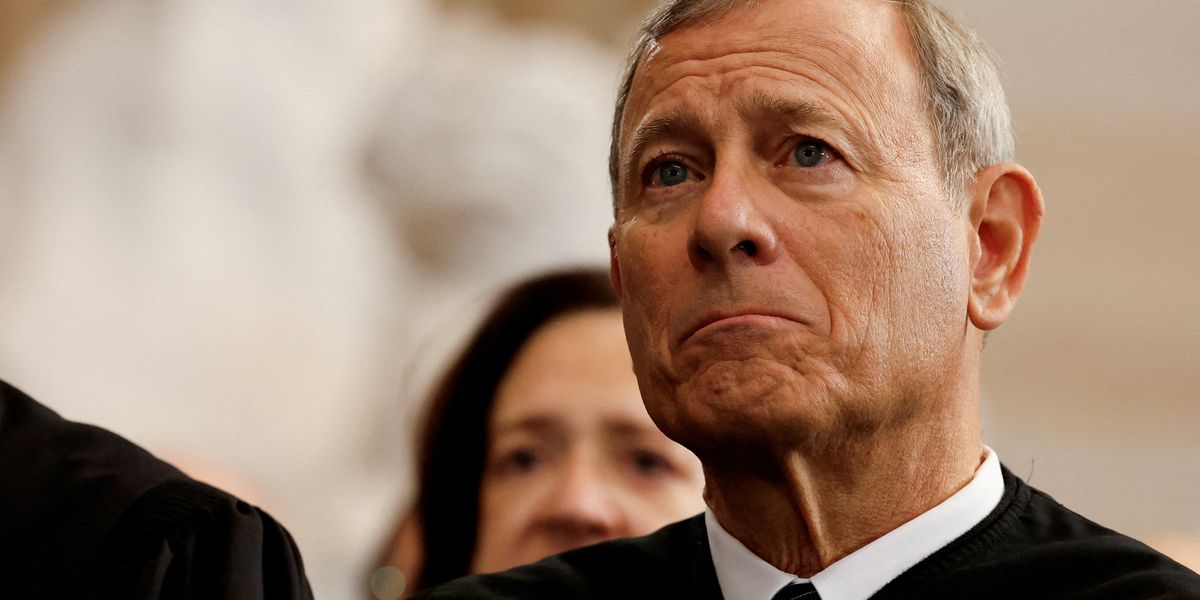
John Roberts warned he just left 'huge asterisk on his legacy in such a bad way'

 MS NOW
Opinion | The Supreme Court has all but killed the law that helped kill Jim Crow

 The Gateway Pundit
Barack Obama Weighs In On Supreme Court "Gutting" Voting Rights Act by Striking Down Louisiana's Racially Gerrymandered Map and It Instantly Backfires | The Gateway Pundit | by Cullen Linebarger
 CBS News
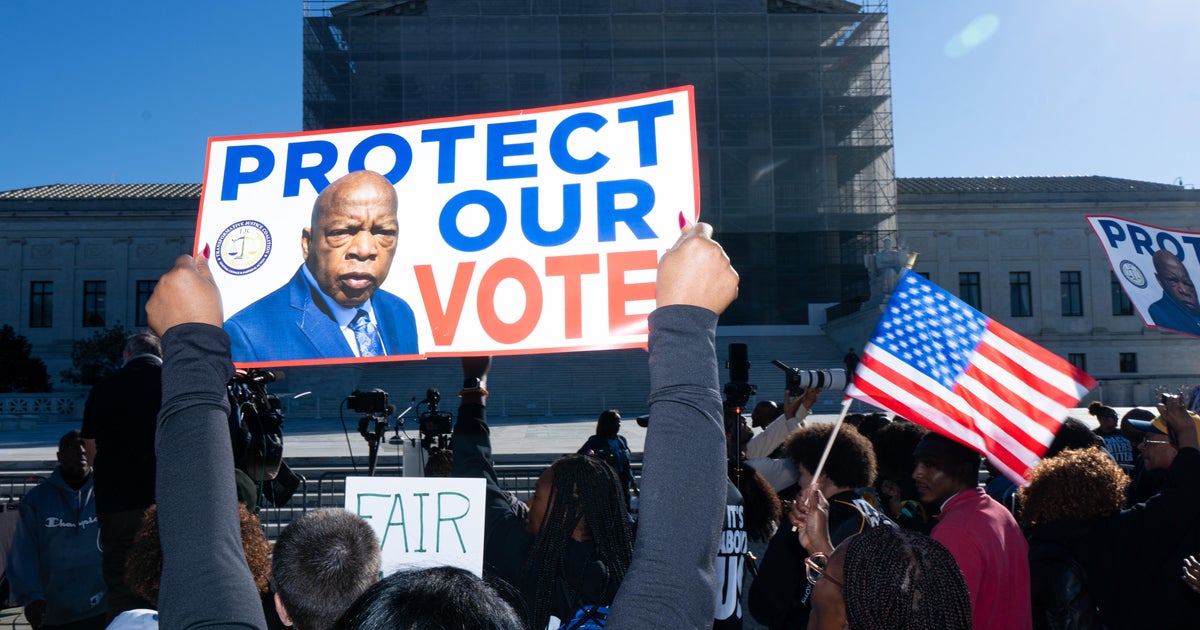
Supreme Court weakens Voting Rights Act in major redistricting case, voiding Louisiana's congressional map
Overview
The Supreme Court in a 6-3 decision authored by Justice Samuel Alito struck down Louisiana's congressional map and limited the use of race in drawing voting districts.
The ruling narrows Section 2 of the Voting Rights Act by raising the bar plaintiffs must meet in vote-dilution claims, which Justice Elena Kagan said 'eviscerates' the law in her dissent.
Republicans celebrated the decision while congressional Democrats vowed to fight back, with House Minority Leader Hakeem Jeffries calling the ruling a blow against the Voting Rights Act.
The Louisiana map at issue included two majority-Black districts and four majority-White districts, and nearly one-third of Louisiana's population is Black, according to Census data.
Florida's Republican-led Legislature approved new U.S. House districts hours after the decision, and officials said the map could help Republicans gain up to four seats in the November midterm elections.
Analysis
Center-leaning sources frame the story as a partisan power grab by emphasizing Republicans’ gain and legal risk, using loaded terms like "maximize Republicans’ advantage" and "effective elimination" of a Black district. They prioritize Democratic objections and vivid quotes while presenting Republican "race-neutral" claims briefly and with skeptical context, shaping a critical narrative.