Sinaloa Governor and Culiacán Mayor Step Down After U.S. Indictment
Sinaloa governor Rubén Rocha Moya and Culiacán mayor Juan de Dios Gámez Mendívil temporarily left office after a U.S. indictment named 10 officials accused of working with the Sinaloa cartel to traffic drugs.
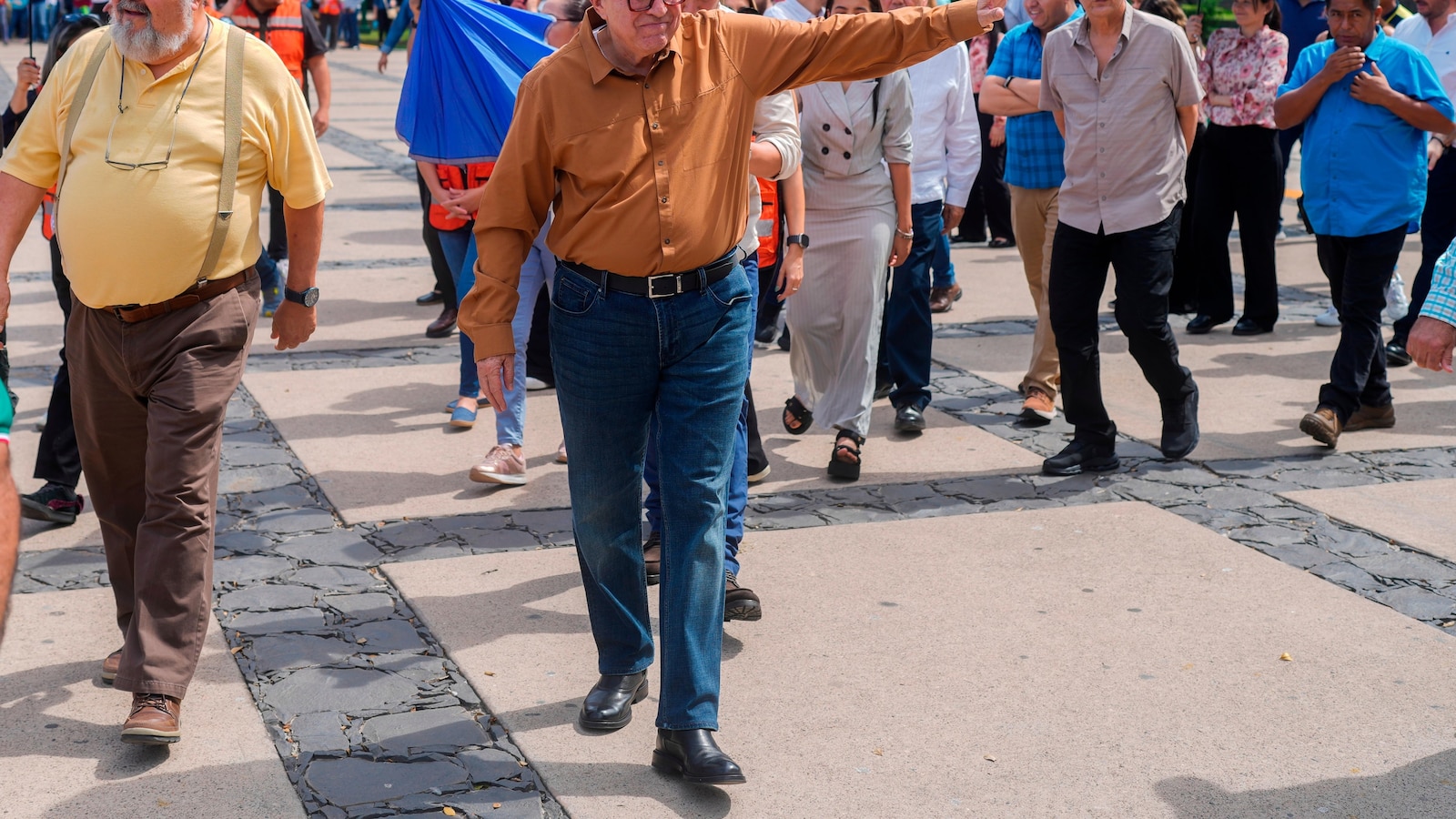
 ABC News
Mexican governor and mayor indicted by US for drug trafficking step down
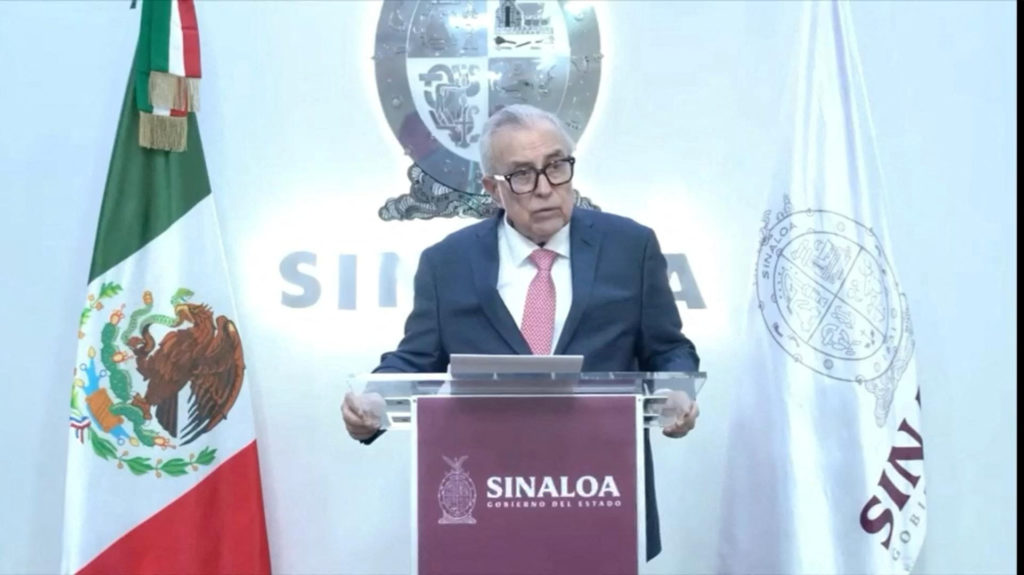
 PBS NewsHour
Mexican governor and mayor step down after U.S. drug trafficking indictments
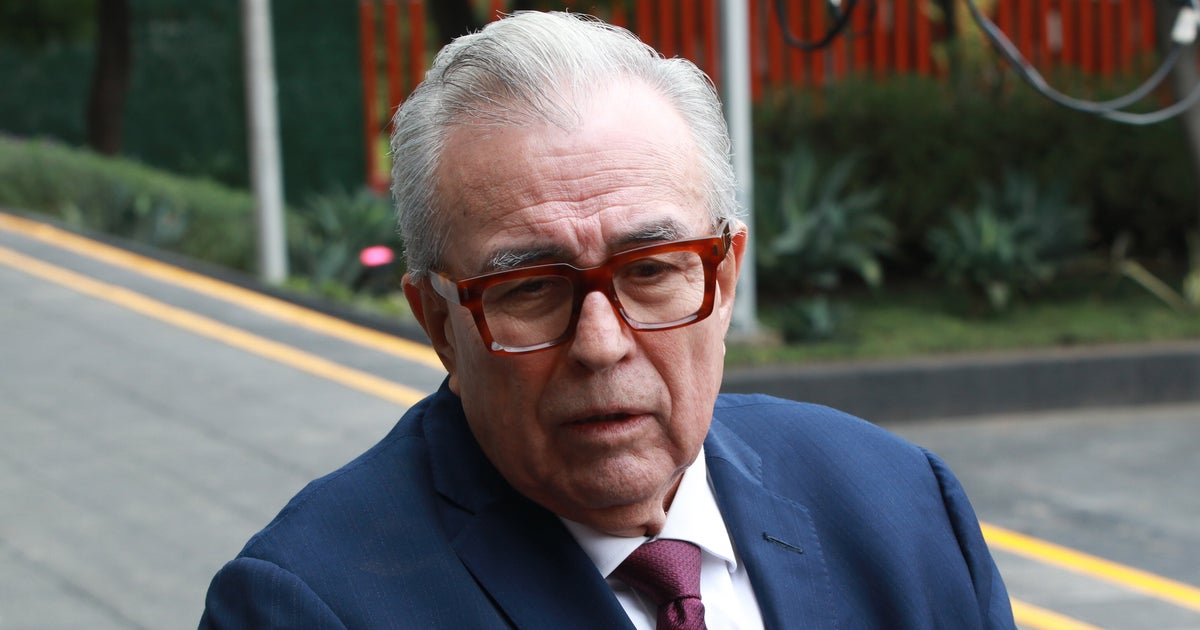
 HuffPost
Mexican Governor And Mayor Indicted By U.S. For Drug Trafficking Step Down
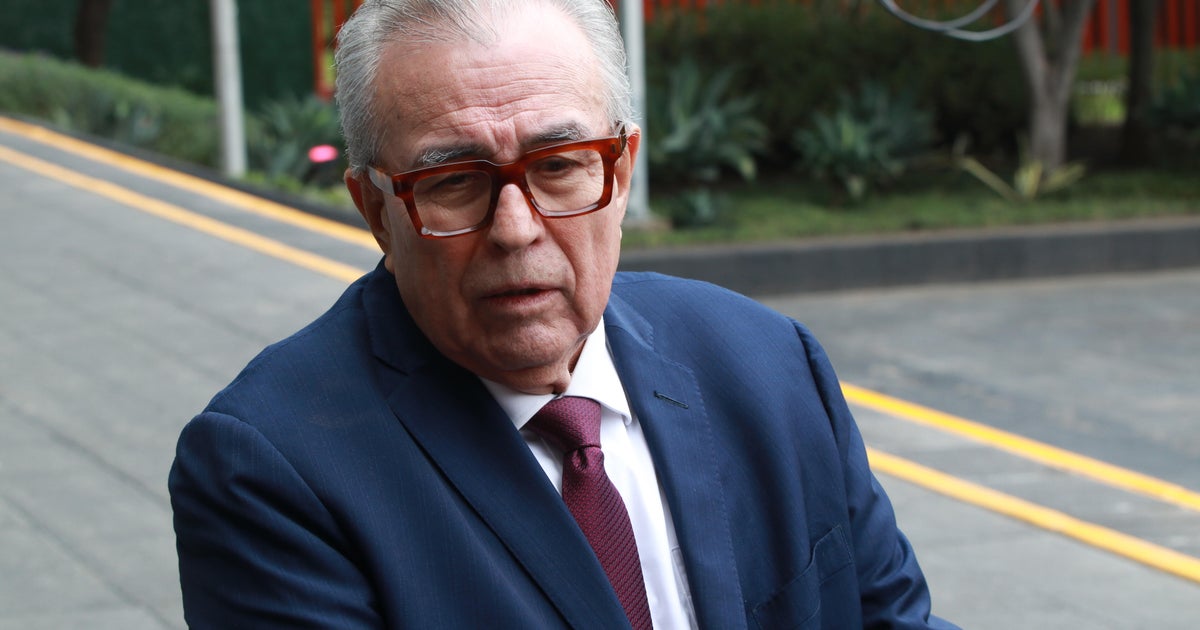
 CBS News
Mexican governor accused by U.S. of drug trafficking steps down during investigation
 Christian Science Monitor
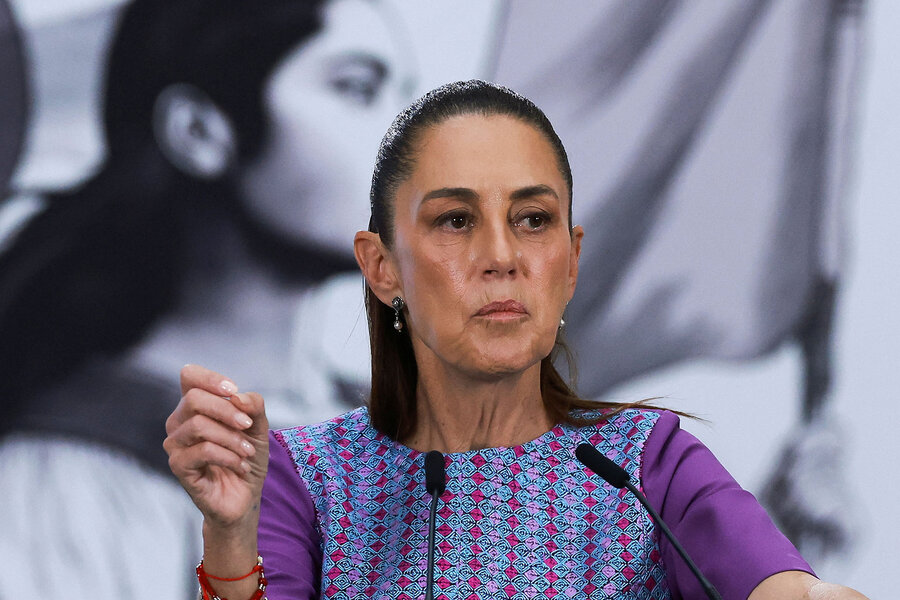
A new US indictment puts Mexico’s president in a political predicament
Overview
Sinaloa Gov. Rubén Rocha Moya and Culiacán Mayor Juan de Dios Gámez Mendívil said they would temporarily step down after the United States charged them and eight other politicians and security officers in an indictment.
The U.S. Justice Department charged them this week, alleging they worked with the Sinaloa cartel to distribute "massive quantities" of narcotics to the United States and received millions of dollars in bribes.
Rocha, 76, denied the charges in a video at midnight Friday, calling them "false and malicious" and saying he would take leave to defend himself and cooperate with Mexico's investigation.
In a special vote, the Sinaloa state congress appointed Yeraldine Bonilla Valverde as interim governor and approved Rocha's 30-day leave, and adviser Arturo Zaldívar posted on X that by leaving their posts the officials lost immunity.
President Claudia Sheinbaum said she would not defend anyone found to have committed a crime and vowed accused would be tried in Mexico if federal authorities uncovered "irrefutable" evidence, while the attorney general's office said it would not arrest the accused pending investigation.
Analysis
Center-leaning sources frame the story as a clash between U.S. pressure and Mexican sovereignty, emphasizing accountability concerns. Editorial choices, terms like "bombshell indictment," ordering of Rocha's defiant denial and Sheinbaum's sovereignty defense, plus resident voices and past allegations tied to Rocha, steer readers toward a narrative of contested legitimacy and institutional strain.