Trump Signs Counterterrorism Strategy Prioritizing Cartels
A 16-page plan elevates Western Hemisphere cartels as the top U.S. counterterrorism target and also targets Islamist and violent left-wing groups, with officials planning talks with allies on Friday.
 TPM
TPMGorka Fumes Against the Left in New Counterterrorism Strategy
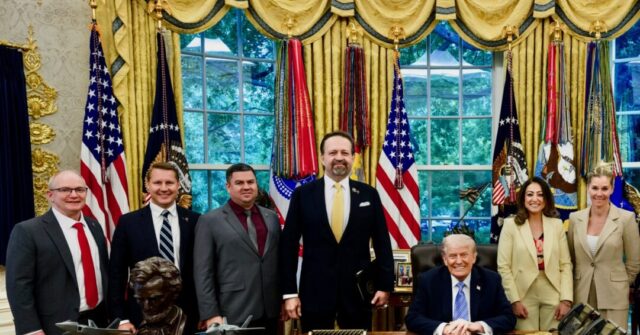
 Breitbart News
Trump Counterterrorism Strategy: Aggressive Response, Border Security, Hemispheric Safety

 New York Post
Trump rolls out ‘America First’ counterterror strategy targeting cartels, jihadists and domestic extremists
 PJ Media
Cartels, Camps, and Chaos: Trump Redraws America’s Counterterror Map
Overview
President Donald Trump signed off on a new 16-page U.S. counterterrorism strategy that makes eliminating drug cartels in the Western Hemisphere the administration's highest priority.
The document was released Wednesday months after an updated national security strategy that called for the hemisphere to be the top U.S. focus and it frames cartels alongside Islamist and violent secular political groups.
Sebastian Gorka, the White House counterterrorism czar who spearheaded the strategy, said the shift reflects that far more Americans have been killed by cartels pushing illicit drugs than U.S. service members lost in conflicts since World War II.
The administration's campaign of blowing up alleged drug-trafficking vessels since early September has killed at least 191 people, and the strategy names cartels, 'Legacy Islamic Terrorists,' and left-wing radicals including anarchists and antifa.
A White House official said U.S. counterterrorism officials will meet with international partners on Friday to press allies to bolster efforts, and the strategy says it will use law enforcement, kinetic means, and financial measures to neutralize threats.
Analysis
Center-leaning sources frame the story as a security-first policy shift that largely legitimizes administration priorities while noting consequences. They foreground official rationales and operational details, use vivid descriptors and casualty figures as implicit critique, and give limited space to regional or human-rights perspectives, yielding a government-focused but cautiously critical narrative.